




Snow Helmets F/W 2026/27 Retail Buyer’s Guide
The snowboarding helmet market grows steadily thanks to elevated safety technologies, sustainability, comfort, and expanded youth offerings. By Rocio Enriquez.
The snowboarding helmet market is stable and growing. The demand being driven mainly by innovation in safety technology, which brands are implementing across their lines. Protection technologies like MIPS, WaveCel, Koroyd, and other high-impact materials dominate last winter’s best sellers, a trend expected to continue this winter. As safety tech becomes standard, the differentiation shifts to other important factors. Sustainability demands are growing, with consumers favouring products that are built with recycled materials or offer end-of-life recyclability. Fit and comfort are a high priority; riders want lighter shells, improved ventilation, and advanced fit systems. There is also a growing expectation for functional add-ons. Integrated solutions like goggle visors and communications and audio systems are becoming more common. There is a notable focus on younger demographics too, with many brands expanding their youth offerings with fun-coloured styles that are visible and easy to fit.
Materials and constructions.
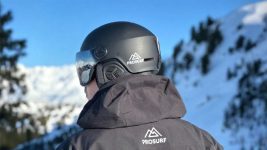
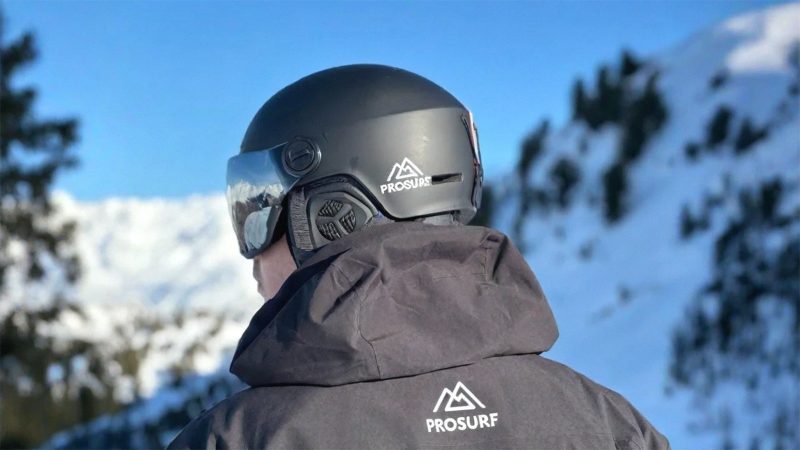
When it comes to helmet constructions, the emphasis is on improved fit and comfort, and lightweight, advanced protection. The main aspects that contribute to enhanced comfort are customisable adjustments, ventilation, earpads, linings, and integration of accessories. Head uses the Sphere Fit construction with innovative height adjustment and seamless goggle integration. Prosurf launches the Oscar helmet with integrated goggle, which they expect to sell best next winter. All their helmets have Recco technology integrated. “We are the only brand with MIPS®, the Recco system, and a photochromic magnet lens in one helmet” says Philippe Waldberg, owner of Prosurf. Dakine offers an adjustable fit system with Fidlock® magnetic buckle and audio system compatibility. Prosurf integrates Recco technology in its helmets. “We are the only brand with MIPS®, the Recco system, and a photochromic magnet lens in one helmet”, says Philippe Waldberg, owner of Prosurf.
Audio systems brand Aleck upgrades the drivers and in-app equaliser of their Snow Series Pro. The elevated finish with detailed topographic lines on the button surfaces uses a water transfer process that also calls out features. POC has updated their Fornix and FornixBC for enhanced fit and comfort. “The thicker padding around the brim and crown of the Fornix provides a softer, more cushioned feel”, says Damian Philipps, Global Director of PR. They’ve also launched the Obex visor, featuring their proprietary ClarityTM panoramic lens and four-step adjustability for comfort.
Protec’s bestselling Low Pro Snow comes with a seventeen-piece fit kit to dial in the comfort. Ventilation is important. Head uses thermal ventilation on their Faero helmet and its youth replica Yuki, which also inherits the Sphere Fit. Sweet Protection works with their Occigrip fit system, adding a rear dial adjustable ventilation, snap-in quick dry liner, and efficient goggle and audio integration. TSG relies on the proven comfort of their Gravity style, with an anatomical shape that reduces pressure points. They streamline their offering by merging their Lotus model with the Gravity one under a unified Gravity line with no gender segmentation. Pret has updated the looks of the Cynic and Lyric helmets, but even if the vents look different, their ventilation performance remains the same. Dakine offers ventilation with active and passive venting options, complemented with a polyester open cell padded lining and removable earpads for comfort. Pro-tec optimises their classic skate-style profiles with plush liners and earflaps. Head equips their new Yuki style for comfort. “The Beanie Comfort System keeps kids’ heads warm and secure, with perfectly aligned with earpads and easy goggle fix hooks”, says Eva Knoepfle.
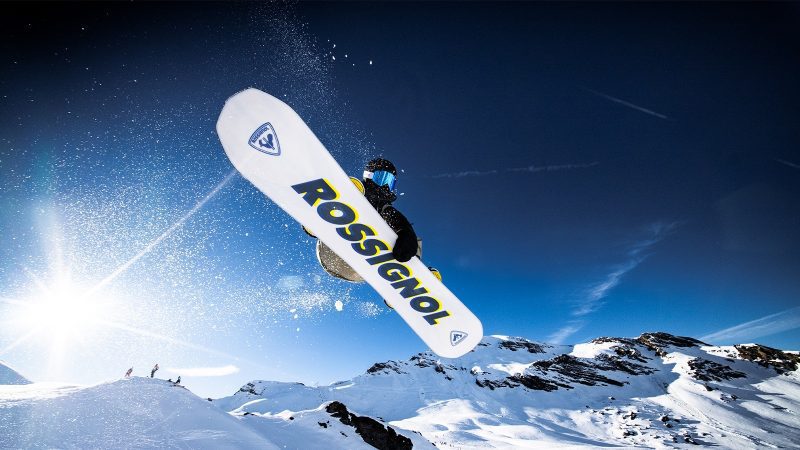
Anon introduces an entirely new earpad to the WaveCel line, which they expect to produce significant sales next winter. These new thermoformed earpads form a donut around the ear, improving warmth, comfort, and hearing. Constructions prioritise impact protection obviously, delivered with sustainable materials as much as possible. Dakine pairs the MIPS® protection with recycled materials. “We have a 30% recycled ABS shell, 100% recycled EPS liner, and recycled PET webbing”, says Benjamin Chapuis, Dakine’s Marketing Manager. Salomon expands their Brigade Index platform with the launch of the Brigade Index MIPS, the first fully recyclable snow helmet featuring MIPS technology. Sweet Protection offer their proprietary 2Vi® MIPS technology, featured in their freeride helmets Trooper and Igniter, and now introduced into their bestselling Switcher model. Pro-tec launches the A2 in-mould helmet with MIPS that combines modern design with classic branding. Rossignol will launch a new helmet named Arcade, with an ABS outer shell and EPS liner, they expect the biggest growth next winter from this model.
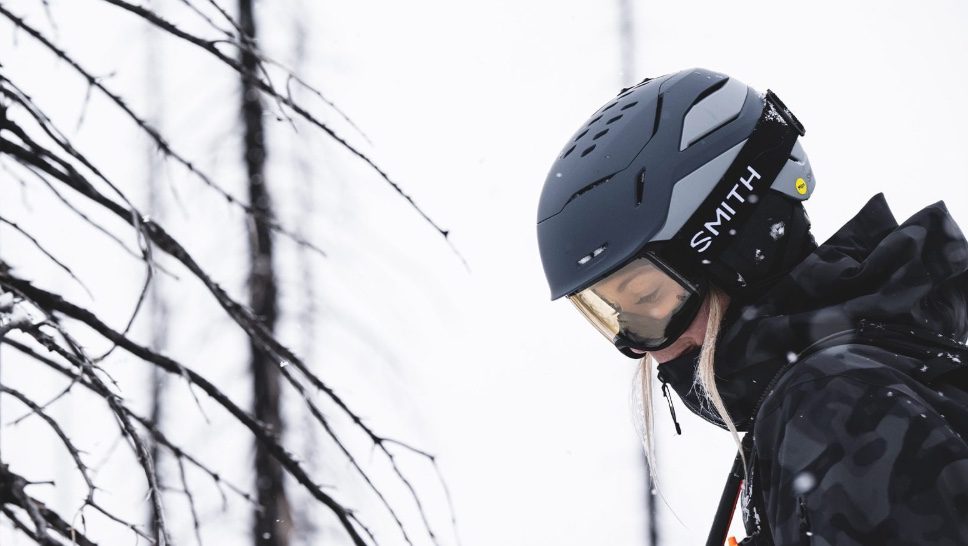
Smith features Koroyd and MIPS widely across their offering. Prosurf features MIPS in their very light in-mould helmet construction. This is the same construction Head uses for its Yuki style, which is expected to boost the growth of the youth segment. TSG also looks after the young with extended sizes of their popular Vertice MIPS, with a new small shell available in XXS and XS sizes. Their Faero helmet is delivered in a modern hybrid shell design, blending safety and style.
Looks.
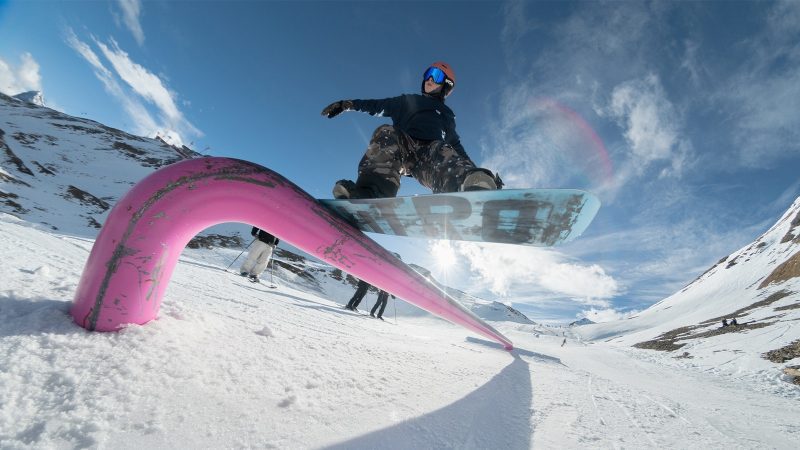
Earthy and natural tones dominate seasonal palettes, with Head, Salomon, and Dakine highlighting these options for next winter. Sweet introduces the new Warm Thunder, Teal, and Placid Blue colours inspired by the elements, as part of a re-branding process from Sweet Protection to SweetTM. Timeless classics remain very important, particularly for premium and performance ranges.
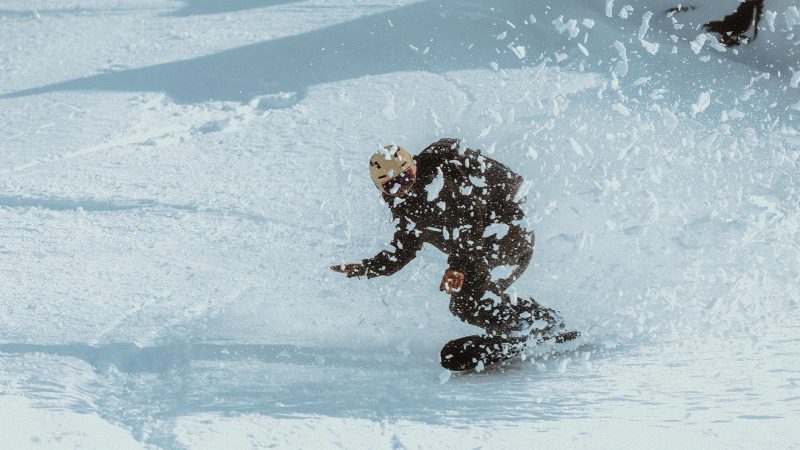
Aleck’s audio systems are all delivered in matte black. Head allows you to combine these with their trendy earthy tones thanks to their Intermix design strategy. Youth products lean towards bright colours that offer high-visibility and are fun for the kids. Pret’s Moxie helmet has a version that the kids can colour themselves. Head’s Yuki helmet comes in vibrant colours that bring energy to the slopes. They also continue their partnership with Nickelodeon to offer the exclusive PAW Patrol Yuki helmet. Other notable collaborations are Aleck’s partnership with Smith Optics and Anon’s exclusive capsule collection called the Encounter that features the artist-driven designs of Lucas Beaufort. Smith offers athlete collaborations signed by Matej Švancer and Iris. Pret and Prosurf offer bright and bold colours, with the latter paying tribute to their French Racing heritage with the combination of blue, white, and red.
Sustainability.
The presence of recycled and natural materials is increasing across the helmet category. Dakine uses recycled ABS shells, EPS foam liners, and PET webbing. The shell of Head’s Radar helmet contains 40% of recycled material, while the smaller plastic components are 60% recycled. The visor is produced using 100% recycled polycarbonate, all soft parts are made from 100% recycled fleece, and the EPS core incorporates 20% natural cork. Salomon uses 100% recycled fabrics in 80% of their helmets. Some of them also incorporate 50% recycled EPS for the core or 100% recycled polycarbonate shell. Smith expands the use of recycled materials in ABS, PC, EPS, linings and soft goods in their ReNu programme. Rossignol uses recycled EPS in their new Arcade helmet as well as recycled fabric in the padding. Recyclability of the helmet after its useful life is a bonus. Salomon achieves this in their Brigade Index model. “The Brigade Index is made from over 96% materials of the same origin, including shell, core, fabrics, buckle, and lining, making it fully recyclable without the need to disassemble it”, says Benjamin Raffort, Helmets Line Manager.
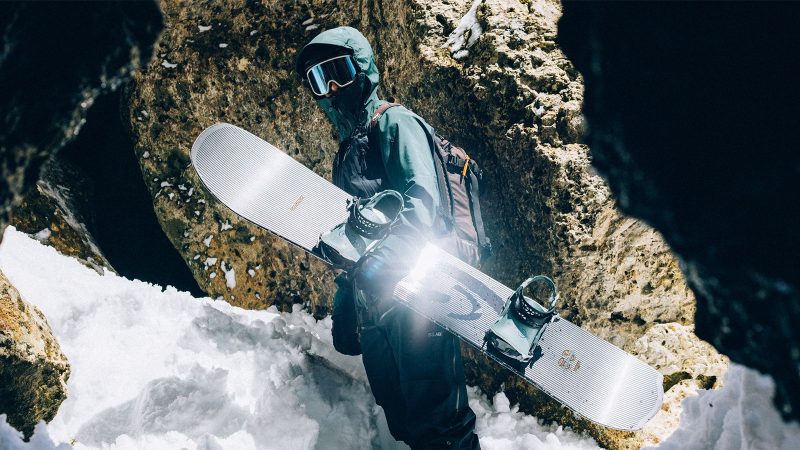
Plastic-free packaging boosts sustainability levels. Cardboard, the recycled kind, when possible, is a great replacement that can also optimise shipping by making boxes more compact and efficient in transport. Dakine and Aleck focus on durability too. Aleck offer long life batteries and firmware updates. Dakine focuses on the quality of the product and the modularity of its components. Removable liners and ear pads that can be easily replaced extend product usability.

Retailer Support.
Safety, sustainability, and premium technology are central narratives of next winter’s marketing campaigns. Brands appeal to community, connection, and performance in the themes they use to carry these stories, as seen in Pret’s “Find your line, find your crew”, Aleck’s “Connect and Conquer”, and Sweet’s “Stronger, lighter, better” campaigns. There is considerable investment in staff training to educate the customer about the technological and sustainable aspects of the product. Aleck and Smith complement their staff training clinics with educational videos. Anon, Sweet, and Rossignol also offer clinics to enhance product knowledge. Salomon have developed dedicated training books and catalogues gathering insights on products and technologies. Retailers can also access strong POS and merchandising kits. Head provides sustainable metal-branded slat wall holders with mannequin heads designed to highlight the helmet-goggle combinations. Smith offers product display units and glorifiers. Aleck secures in-store visibility with branded shelf trays and headers that explain their Core, Pro, and Off Grid lines at a glance.
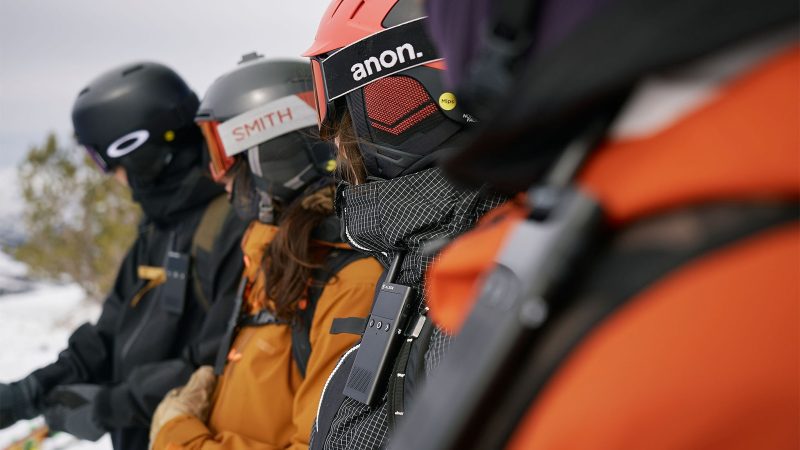
Anon adds to their POP programme the possibility of customising a window based on the retailer’s specific needs. Salomon, Sweet, and Protec also offer POP displays. Brand visibility is further supported with high quality product imagery that retailers can use in-store and online. These are images and videos that feature technology insights and fit guidance. Up in the mountain, the message remains visible through demo events and athlete seeding.
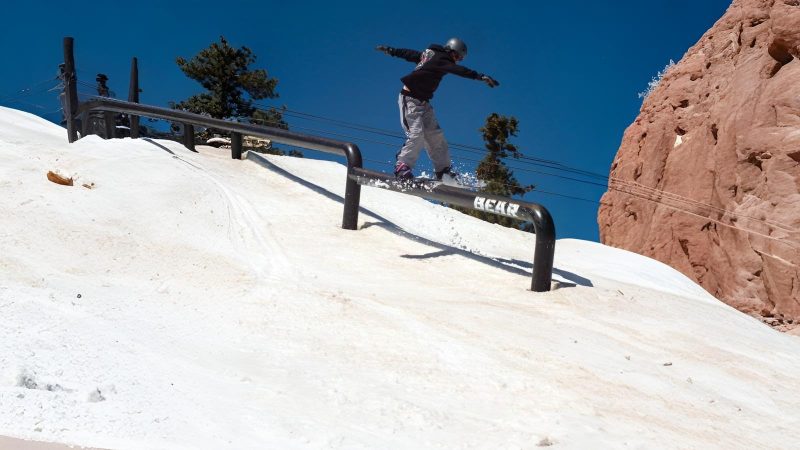
Head invests heavily in this. They sign up high-profile athletes to wear their helmets, and they are expanding their seeding strategy by equipping selected testers and ambassador families ahead of the season. One good example is their FutureHeads team of young athletes who will all be equipped with the new Yuki helmet. Head is also planning on-snow test events to offer potential customers the chance to experience the helmet first hand. Pro-tec and Pret also focus on rider sponsorship.
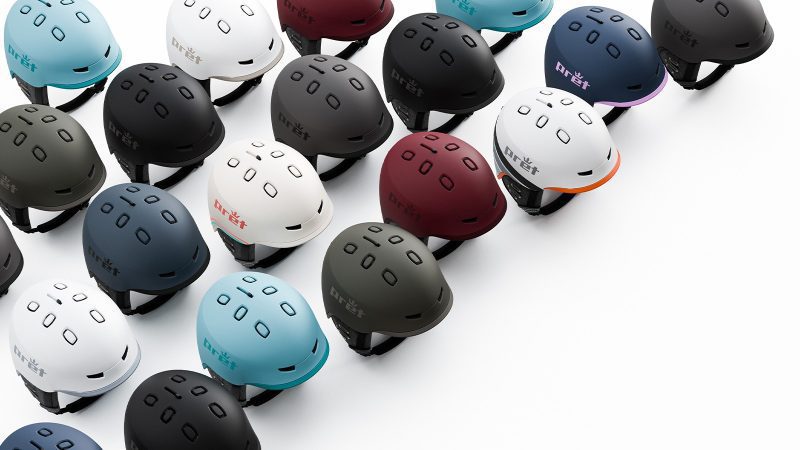
As core safety technologies become widely adopted, brands are focusing on comfort, fit, integrated features, and sustainability to differentiate themselves. This is resulting in a mature offering with great potential for growth based on meaningful improvements rather than trend-driven novelties.
Brand Previews
