









Wetsuits F/W 2026 Retail Buyer’s Guide
What an energetic segment we do have here! The Wetsuit industry again steps on the gas pedal to deliver a bunch of fresh designs and technologies for Fall-Winter 2026. Report by David Bianic
Curb your enthusiasm folks. We know how our over-excitment ended up last time, wetsuits sold like hot cakes (yes, 2021). Yet it is difficult not to get amped up by the overall good indicators of the business. If we take a look at the Fall-Winter 2025 orders, there is more than one reason to be hopeful. Alder Wetsuits reports their new introductions for Fall 2025 “flew off the shelves,” as a reaction to consumer fatigue with a general lack of innovation in the market, says Simon Neep, Sales & Product Development. And figures back up that feeling, as O’Neill Wetsuits saw a 40% jump in Preorders from FW24 to FW25, “and full-price reorders since shipping F25 have also been solid, validating the timing of the new styles”. And when figures aren’t as impressive, as for Soöruz, whose FW25 sales were up 20%, the only reason is “because we did not take risks on production volumes, so we are now out of stock on the vast majority of our products”, explains Yann Dalibot, CEO.

Clearly consumers were eager to put their hands on fresh pieces. Almost every new addition met success, like the new Manera Seafarer, a premium suit at an accessible price, which “has been a hit,” say Julien Salles (General Manager), Bud Freitas (Sales Rep) and Lucie Denjean. Another proof can be found at GUL, which noted that “the new kit was well received despite competition from aged stock”, mentions Jack Knowles, Sales and Marketing Manager. FW25 can even be considered as an “important turning point”, announces Franziska Hacker, International Marketing & Communication at Neilpryde, noting that the fresh products based on refined fits and proven performance philosophies “resonate strongly” with customers.
In a fairly enthusiastic market, the female segment is the cloud in a series of silver linings. Women have been identified as the slowest area for sales according to most brands, and has suffered from the highest level of carryovers across the industry, which “has limited opportunities for new product development”, says Simon at Alder. The entry-level category also appears to be a damper as the main challenge in this price segment is fierce competition from older, discounted stock. “The amount of clearance wetsuits in the market mean that there are still lots of alternatives to a new entry level wetsuit. It’s the same price to buy a clearance mid or high end wetsuit from the past few years”, says Tom Copsey, O’Neill Wetsuits Product Manager. Alex Cretier at Prolimit adds that “entry level wetsuits are faced with the competition of close outs [brands]”.
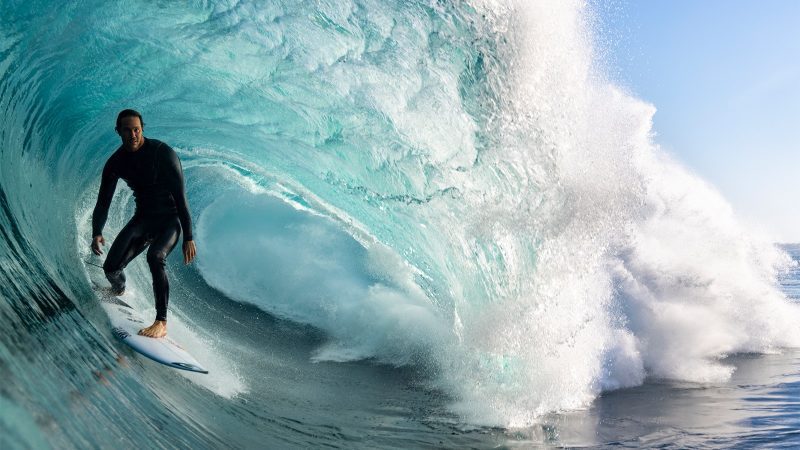
PRICE POINTS : WALLET-FRIENDLY
One would assume those newly designed wetsuits come at a price. And yeah, they do. But the general consensus among brands is that Fall/Winter 2026 price points will remain stable or, in some cases, even decrease, despite ongoing pressures from raw material costs and the shift toward more sustainable materials. Manera confirms that their prices are “staying right where they are,” same at Patagonia (3/2 full suit at 480€, 4/3 at 520€, 5/4 hooded at 580€) or Soöruz, and for the vast majority of brands we talked with.
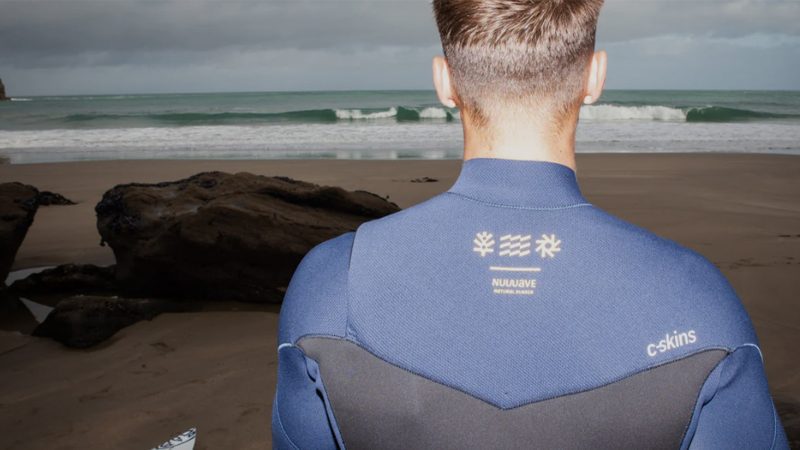
The only potential increases will be kept to low single-digit percentages: “Over the past few years, we faced significant pressure from weak Euro and Sterling currencies, which directly impacted our pricing and contributed to higher import costs”, explains Jimmy Pinfield, Marketing Manager at C-Skins. The reason for this general pricing context is partly the result of competition from discounted old inventory in the market. Several brands, including Prolimit and Billabong, noted that entry-level products often compete directly with clearance mid or high-end wetsuits from previous seasons.
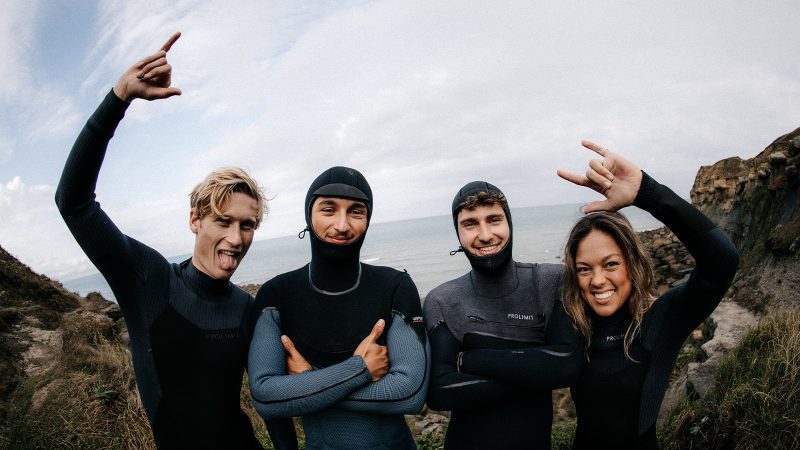
Foam Line-up
If you are having trouble keeping up with the quick evolution in rubber technologies, it’s okay, we all do. Prolimit, which pioneered its own sustainable material development, starting 12 years ago with NaturePrene, shifting 100% to Limestone neoprene, and then transitioning completely to 100% NaturePrene2 wetsuits (a natural rubber) since 2024, without using any petroleum-based or mined neoprene like limestone. And brands do not necessarily stick to a single material, as seen with Manera. The France-based brand is working with multiple suppliers to avoid being “boxed in,” while also working toward the long-term goal of owning the technologies themselves through strong partnerships with manufacturers. For FW26, they are expanding their use of Ocena® material, the neoprene-free, bio-based foam made with natural rubber, oyster shell powder, and plant-based oil, featured in the Xtend, the new Magma, and a new Toddler range.
Clearly Ocena is making a big push in the rubber industry, with Billabong as a flagship user in FW26: “Introduced in 2021, Ocena Natural Rubber redefined performance by replacing synthetic neoprene with a sustainable, neoprene-free alternative that outperforms the old standard. Through our own plantation in Guatemala, we eliminated reliance on costly, underperforming options like Yulex, and made Ocena accessible across our entire range, delivering premium performance at every price point.” The Ocena solution now comes with a “+” version, aimed at the elite-level performance, as “it delivers unmatched stretch, warmth, and durability without compromise”. For FW26, 80% of Billabong’s range is made from Natural Rubber with the new Ocena+ platform, streamlining their lineup into two key pillars: Furnace (high performance) and Absolute (different price points).

Rip Curl also praises its partnership with Sheico, as their best-selling styles, E-Bomb and Dawn Patrol, feature 100% neoprene-free foams since Fall 2025: “These foams incorporate Sheico’s Ocena 74% natural rubber content”. Rip Curl also admits that, while higher natural rubber compositions exist, they currently do not meet their strict quality standards. On the other hand, the Flashbomb – “our high-performance warmth suit” – continues to use neoprene-based foam “until alternatives can match our expectations without compromising performance”. Oxbow also moved away from Yulex to the Ocena foam for their technical Crest, “while developing its own natural rubber-based foam for high-quality products at a lower price”, teases Thomas Chastol, Product Manager and Loan Santé, Marketing Coordinator.
Yet the classic limestone-based foams are here to stay, despite the fact their eco-credit cannot match those of the “natural rubber” (apart from the Oysterprene foam). O’Neill has been a long-time adopter of limestone foams – they haven’t used petroleum-based foam since the 90’s – and only implements some natural rubber in products like the O’Riginal RG8 series. Neilpryde Waterwear uses Terraprene (Yamamoto #39e), a more biodegradable version of traditional Yamamoto #39 limestone neoprene, in its Mission Eco wetsuit, combining this new neoprene with water-based lamination adhesives.
Linings: fine-tuning proven tech
Foams are stealing the show, somehow undermining the efforts made on linings. But, feel assured, brands do not rest on their laurels. No quantum leaps here, but a myriad of updated constructions and materials. For thermal performance, graphene makes its way among more brands in FW26. Already a loud promoter of this carbon-based honeycomb structure, Billabong is introducing Graphene Ultra, which is described as the “warmest inside thermal jersey to date”. This material provides a 26.6% increase in thermal retention and keeps heat 20% longer. O’Neill Wetsuits is also carrying over refinements made to their TB4 linings, which were redesigned for FW25 to increase graphene content for extra warmth, reduced weight, and faster drying times. Prolimit is utilizing its patented Thermo blanket based lining on their Thermal Rebound Zodiac linings and Quadflex on their Mercury wetsuits: within the 4-layer construction, an alloy sheet is used to retain and reflect body heat. Another interesting option is Neilpryde’s new construction, the Neo Silk lining. As the name suggests it offers “an ultra-soft, silky feel and is our most flexible lining ever”, says Franziska Hacker, and also “allows hands and feet to glide easily into the suit while cushioning the skin”.
A majority of linings are obviously based on recycled materials, and we listed a few updates in such eco-construction. Patagonia is partnering with Bureo to introduce the NetPlus® nylon liner, which is made from 100% fully traceable recycled fishing nets. This liner features a grid pattern to trap heat, feels softer against the skin, and increases overall flexibility. Billabong is using Airlite 4D, which is made from 100% post consumer recycled textiles, while Soöruz is introducing its new STORM DRY II inner lining, which is mainly made from recycled products, while also being more flexible and lightweight.
Key silhouettes: Bulk up!
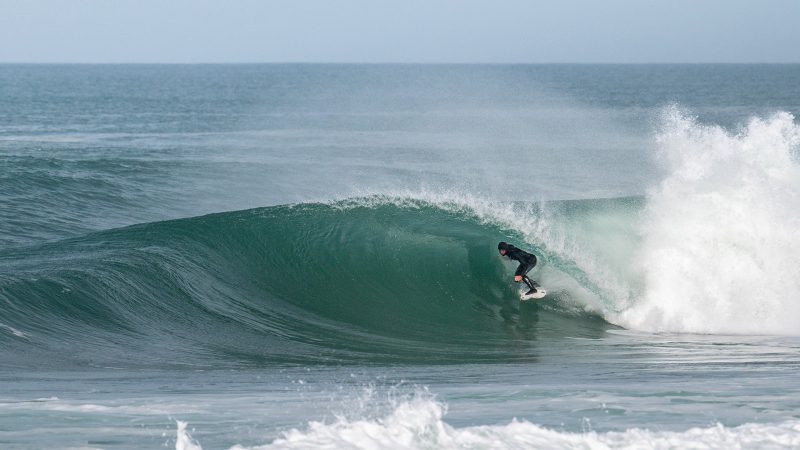
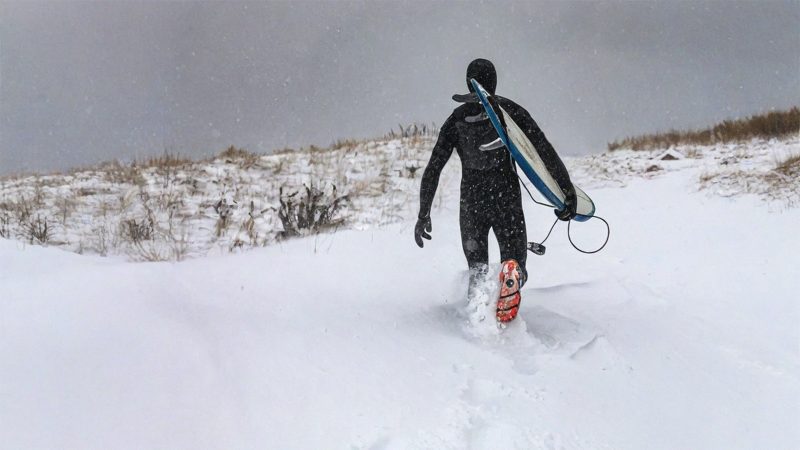
The advent of (very) cold surfing is mirrored in the FW26 ranges with some key pieces designed to withstand the harshest conditions. Hurley responds to the demand with this new addition: the Plus 6/4mm Neospan fullsuit with hood features Extend 2.0 thermal insulation across the chest, back, and legs for maximum warmth. Fully taped seams ensure superior waterproofing and durability. The integrated hood with Smoothskin seal blocks water entry, while the flexible construction allows natural movement. “Perfect for cold-water surfing, offering comfort, performance, and full-body protection”, ensures Manuela, Product Merchandiser at Hurley.
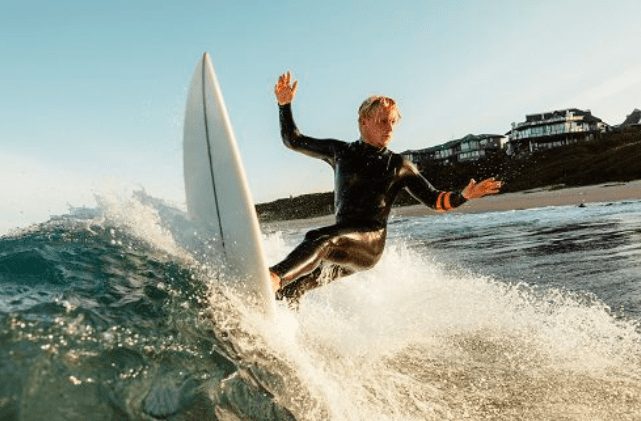
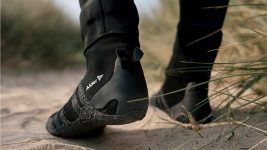
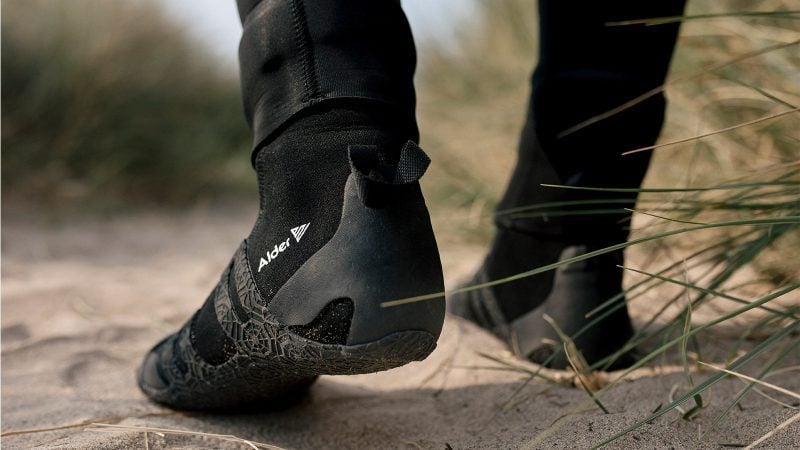
Same program with Alder’s Evo Fire MX Hooded 6.4, a thick suit but with “maximum four way stretch fabrics combined with extra stretch foam”, ideally paired with their new Future 6mm Round Toe Boot. It is worth mentioning Alder also caters to the younger cold water rippers with the Comp CX Junior 5.4. GUL offers the Viper 6/5/4, “the ultimate coldwater armour”, with its cutting-edge Graphene X core panels, as well as the Flexor 6/5/4 boots, featuring GUL’s Boltdry+ thermal lining infused with Graphene X yarns.
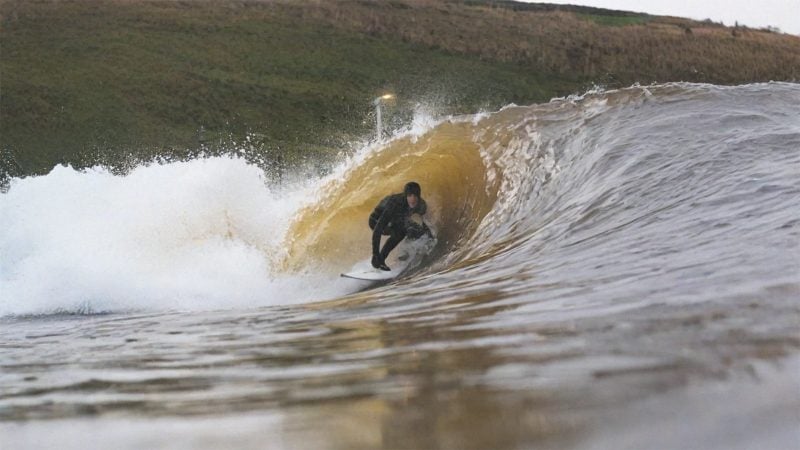
We also loved the integrated inner lining in the hood of Neilpryde’s Vamp 5/4 Hooded GBS FZ, “shielding the most vulnerable areas from the cold”. At O’Neill, the popular Hyperfreak Fire model will also come in FW26 with a hooded version. And the term “armour” is no play on words, as shown in WIP’s FW26 range. Until recently the brand specialised in sailing and other boardsports with dedicated body protection integrated into their suits: “In response to growing demand of protections in surfing, we designed new wetsuits with high technology of protection with 4 wetsuits: 5/4/3mm, 3/2mm, innovative 1.5mm and a specific Protec Short John that can be also worn under or over a wetsuit”, explains Benjamin Tillier, Marketing Manager.
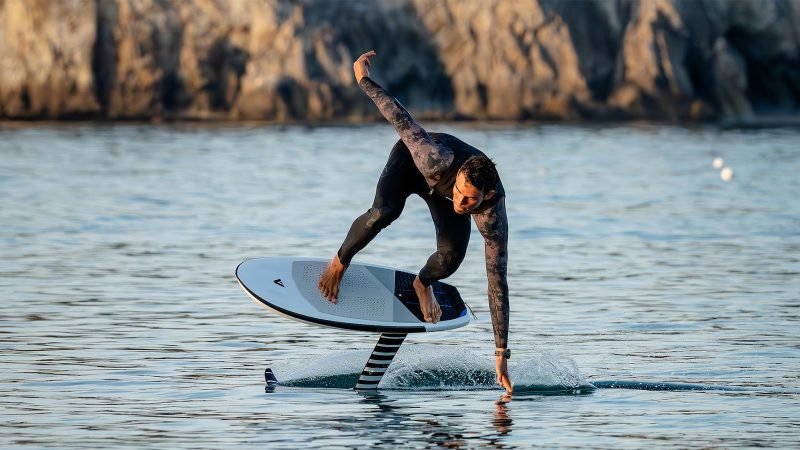
Protection consists of reinforced layers with high density foams under the knees and on the ribs for water impact or thermoplastic plates along the shins, among other features.
The cold water armour would not be complete without solid booties, hood and gloves, and one brand stands out in the accessories segment. Solite went the extra length on booties, offering 5mm and 8mm options on the Custom 2.0 Watersports, as well as Split-Mitt gloves and 5-finger gloves. Solite reveals new developments are coming in FW26 regarding linings, while details will be communicated at a later stage.
If it ain’t broke, don’t fix it!
Repair and Service programs are now common practices, widespread across all brands. Rip Curl’s program is a textbook case for things done well. Since last year, their repair program has been fully digitalised, “offering customers complete transparency throughout the process, including transport, repair status, costing, and expedition. Transport is free of charge, and we repair all brands — not just Rip Curl products — at similar costs.” 3,800 wetsuits were repaired last year!
While a few other brands still handle the repairs by themselves (Soüruz, Patagonia), we are seeing more and more companies outsourcing the service. Like so, O’Neill Wetsuits has a network of pre-approved repair centres across Europe: “We also reuse components, where possible, from suits that have reached the end of their useful lives to make repairs to older suits”, adds Tom. Oxbow offers a 2-year warranty and works with the partner Tearing Waves for a comprehensive repair service that includes tear repair, zip replacement, seam reinforcement/waterproofing, and adjustments/customisation.
Repairs come at no cost thanks to Patagonia’s Ironclad Guarantee and free repairs, led by their wetsuit repair facility in Ventura, California, and supported by specialised repair partners across Europe. In the UK, Bodyline in Newquay is the go-to choice for Brit brands like GUL and C-Skins, while Alder “also work to give repaired wetsuits a second life by offering them to charitable organizations at greatly reduced prices”, Adds Simon. “This helps us reduce waste and support good causes wherever we can.” Good on ya.
When it comes to handling end-of-life products, brands again seek after dedicated facilities. Circular Flow might be the most established and Manera has partnered with them to recycle neoprene residuals (including zips and plastic) into neoprene sheets that can be used to manufacture new products, like car seat covers. Many local repair/upcycle shops popped up here and there during the past years, and Saint-Jacques Wetsuits favored the proximity of their partner, which “transforms used wetsuits into unique second-life objects, such as our recycled neoprene laptop sleeves and accessories”, says Stan Bresson, President.
Retailer support
The order sheet isn’t the final step for wetsuit brands and they “escort” retailers way further. Three main axes emerge when it comes to retailer support : strengthening retail partnerships, optimising margins and inventory, and providing comprehensive product education. A proper display of this ethos is found at O’Neill as they prioritise healthy margins over sheer volume: “We are focussed on helping retailers to make good margin on each wetsuit, not just pushing them to sell more. By keeping scarcity in the supply of our mid to high end wetsuits, we are helping to prevent a repeat of the past couple of years”, explains Tom Copsey.
A simple and efficient way to avoid unsold stocks is to reduce the sheer number of SKUs, as did Billabong : “We’ve streamlined the range architecture to offer a clearer, more accessible overview of our wetsuit lineup.” Concerning product education, brands are dedicated to training retail staff and supplying comprehensive media packs, often doubled with “in-store visits by the marketing product division to discuss and exchange ideas about the product”, says Oxbow. In-store experience is also eased through shop floor tools, like O’Neill’s new digital display to enhance the customer experience.
Brand Previews