







Snowboards F/W 2026/27 Retail Buyer’s Guide
Up, up, up–at least that’s how the snowboard market feels. After a period of stagnate sales, things are moving once again, but in a realistic manner shaped by recent winters, unpredictable weather, and a consumer base that has become more selective, informed, and values-driven. Ladies and gents, welcome to next winter’s Snowboard 26/27 Retail Buyer’s Guide, brought to you by Matthieu Perez.
STATUS QUO
Heading into Winter 25/26, brands have been cautiously optimistic, but this optimism is subject to some friction. Mats Drougge, shaper and owner at Stranda, sums it up plainly, “So far [sales are] up, but direct sales slowed down due to global warm temps and difficulties having resorts open in December.” The demand was there, but conditions once again reminded the industry how dependent momentum remains on snowfall and access.
At Gnu, the past season felt like another step in a longer recovery process. Pete Saari, Gnu in-chief, describes a year filled with creativity but still framed by external challenges, “We had a fun year working with the Gnus on new treats…the market felt like it was still recovering from post-Covid extended hangover and challenged snow years.” For Saari, the pace of modern trend cycles adds another layer of complexity: “Trends move so fast and are so empty in the digital world they don’t exist for long enough to matter any more…we ride everything and enjoy advanced geometries every way imaginable.”
That rider-first mindset is echoed elsewhere. Joe Sexton, owner and founder at Public, believes consumer values are changing structurally. He says, “I like to think there is a little bit of pushback on big corporate brands. People are seemingly wanting to support brands and stories that feel authentic and resonate with them.” In practice, that means credibility is as important as innovation.
In Europe, improvements in snowfall helped stabilize confidence. David Pitschi, CMO at YES, observes, “After several challenging winters, the European market appears to be experiencing a modest rebound in purchasing as snowfall improved and consumer confidence began to return.” Still, the equation remains fragile. He stresses, “Overall, the category showed resilience, but growth is now heavily dependent on timely snowfall, consumer sentiment, and the ability of brands to invest in demand creation.”
From a production standpoint, stability is returning as well. Tony Sasgen, global sales manager at Never Summer, notes, “From what we are seeing, board demand seems to have stabilized and, in many areas, has begun to grow again.” He emphasizes, “If those customers continue to exist and maybe even grow then we will be in great shape.” At the same time, shifts in riding style continue to influence range structures.
Demir Julia, founder and owner at Verdad, describes a clear evolution in both product and customer. He states, “In the past, Verdad was mostly freestyle-minded, and the range reflected that mindset. But over the last few years, snowboarding has evolved into true mountain riding—focused on powder and carving.” That transition has reshaped the brand’s lineup and audience as he continues, “Today, only about 20% of our range is freestyle-oriented. The main focus is all-mountain.” This evolution naturally attracts a more experienced, mature rider—one who values precision, power, and authenticity.
Looking ahead, product managers are already aligning with what they see coming next. Antoine Floquet, snowboard product line manager at Nidecker, points to a clear performance trend emerging, “Heading into an Olympic year, the ‘back to camber’ trend is undeniable, along with a growing appetite for snappier, more responsive boards.” Crucially, riders are demanding performance without compromise.
Even within niches, optimism is returning. Harry Kunz, co-founder at Rad Air, remains grounded but encouraged. He acknowledges, “Our core mission is longboarding. Period. We know this is a niche within the niche, but that is our DNA.” Still, he notes signs of life on the hill. Kunz states, “We are in a niche of the market, but we see a slight increase of snowboarding on the mountains.” The takeaway is not explosive growth, but increased relevance . Discipline has replaced excess, and brands with a clear sense of purpose and audience are the ones gaining credibility and momentum.
WHO’S NEXT?
As snowboarding regains momentum, attention is turning toward who will shape its next chapter. The next generation is arriving with different expectations, while established brands work to remain relevant without losing their roots. Jan Grimm, Burton senior merchandiser for hardgoods in Europe, sees a clear generational shift underway. He identifies, “A new generation is taking over, these young riders are style-conscious, but budget minded digital natives and are looking for authenticity in brands.” The combination of visual awareness, price sensitivity, and values sets a new baseline for how product stories must be told.
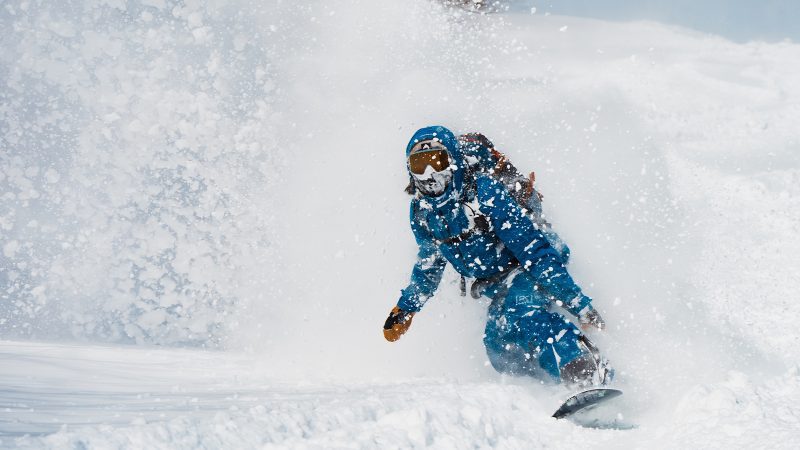
Some brands are responding by redefining themselves entirely. Entering a new chapter, ThirtyTwo’s move into snowboards comes with deliberate differentiation. Brad Alband, creative director states, “Entering the first season of ThirtyTwo snowboards, NDK (the Nidecker Group) has invested in the brand to make sure ThirtyTwo enters the market with our own point of difference.” That investment shows up in scale and intent, Alband adds “This includes 12 custom shapes, 108 sizes, 66 next-gen molds, custom carbon construction and our brand team push to bring back more rounded shapes after listening to our riders.” Welcome to the party!
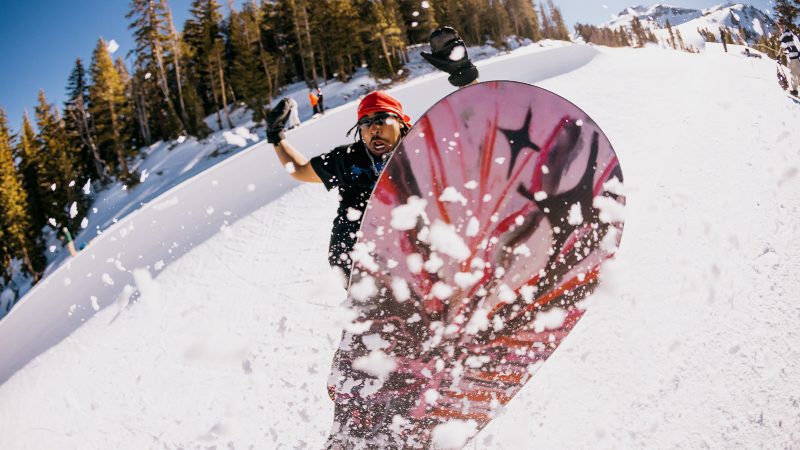
For others, credibility comes from experience rather than novelty. Tom Kingsnorth, Armada commercial manager for marketing and sales in Europe, frames the brand’s entry into the snowboard space with humility, “Snowboarding doesn’t need just another brand; it needs another good one.” He emphasizes the collective knowledge behind the scenes. “That team behind Armada Snowboards has, collectively, decades of experience in snowboarding. The biggest challenge we have is to communicate what we want to achieve and that Armada can enter the space in a positive way.”
Community remains a defining theme for brands seeking long-term relevance. “Public was founded with the idea that there should be more community in snowboarding,” explains Sexton. He continues, “When I started the brand, I really wanted customers to feel connected and a part of what we are doing. This philosophy trickles into all aspects of the brand, from the team riders we pick to the graphics to the shops we work with.” This is a clear shift toward brands functioning as ecosystems.
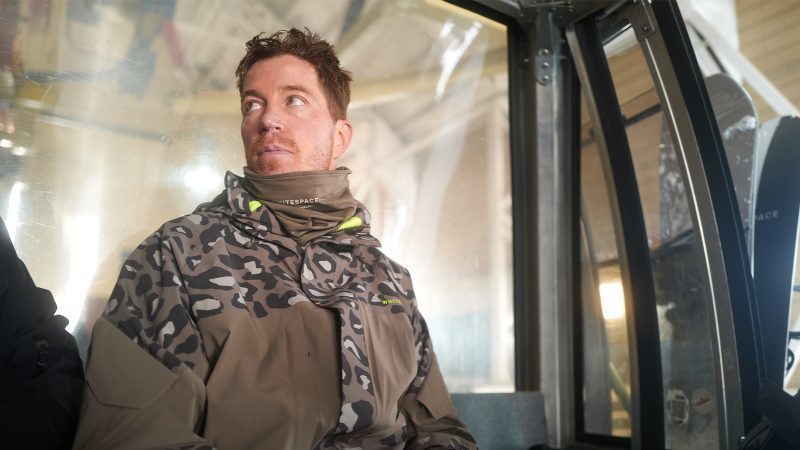
Whitespace frames its mission with similar clarity. Sean Keough, VP of sales, explains, “Whitespace is a performance snow brand founded by Shaun White to inspire riders to forge their own unconventional journey. Guided by his legacy of competitive excellence and distinct aesthetic, we design products that harmonize function and form.” Importantly, this ambition is not limited to elite riders but open to seasoned riders and newcomers.
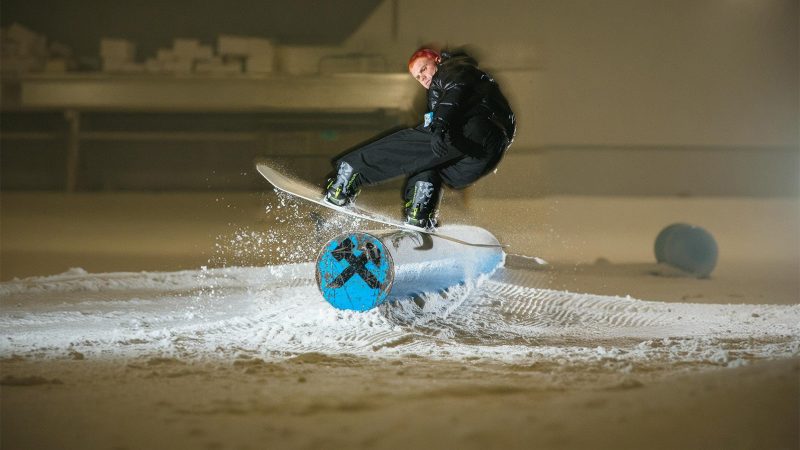
Elsewhere, brands are strengthening their identity by staying ahead of trends rather than chasing them, emphasizing evolution. Tom Johnson, global director of marketing at Bataleon, explains that “Bataleon has always worked ahead of trends, looking forward and charting our own path in board innovation.” That approach continues as the brand broadens its definition of what a Bataleon board can be.
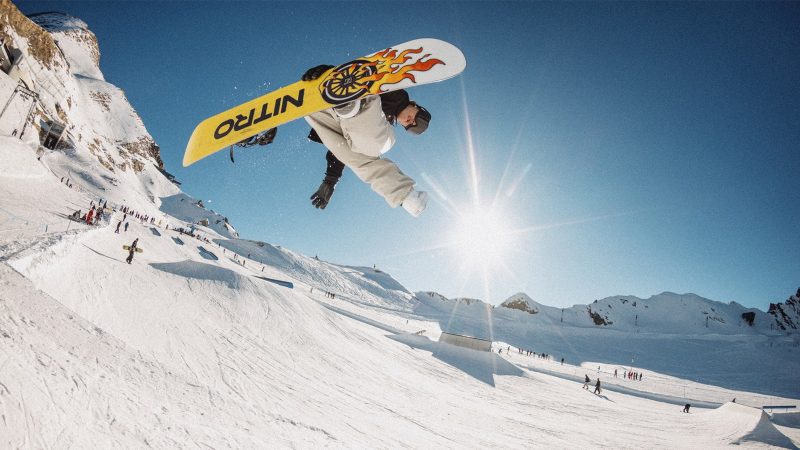
Gian Luca Barbi at Drake reinforces the importance of a strong identity explaining that “In recent years, Drake has strengthened its position as a credible, core-focused snowboard brand.” Nitro echoes this positioning. Tommy Delago, Grand Chief at Nitro, explains “While some 20 years or so ago, Nitro was one brand among many others, we’re now being looked at differently: as one of the few truly authentic and independent brands, and as a market leader that stands for snowboarding and its values.” Perception has shifted over time.
Innovation, however, still comes with challenges, especially when it breaks the standard. Andreas Kramer, president at Doubledeck, acknowledges, “Doubledeck’s patented dual-deck snowboard technology is genuinely novel, but new, unfamiliar product concepts often require more time and marketing investment to build consumer understanding and trust.” Education and patience remain key.
In emerging markets, momentum is also building. Kjetil Bjørge, CEO at Fjell, offers,“The interest for snowboarding seems to increase all over, to achieve that we intend to make boards that leave an experience in use—every time and in every condition.”
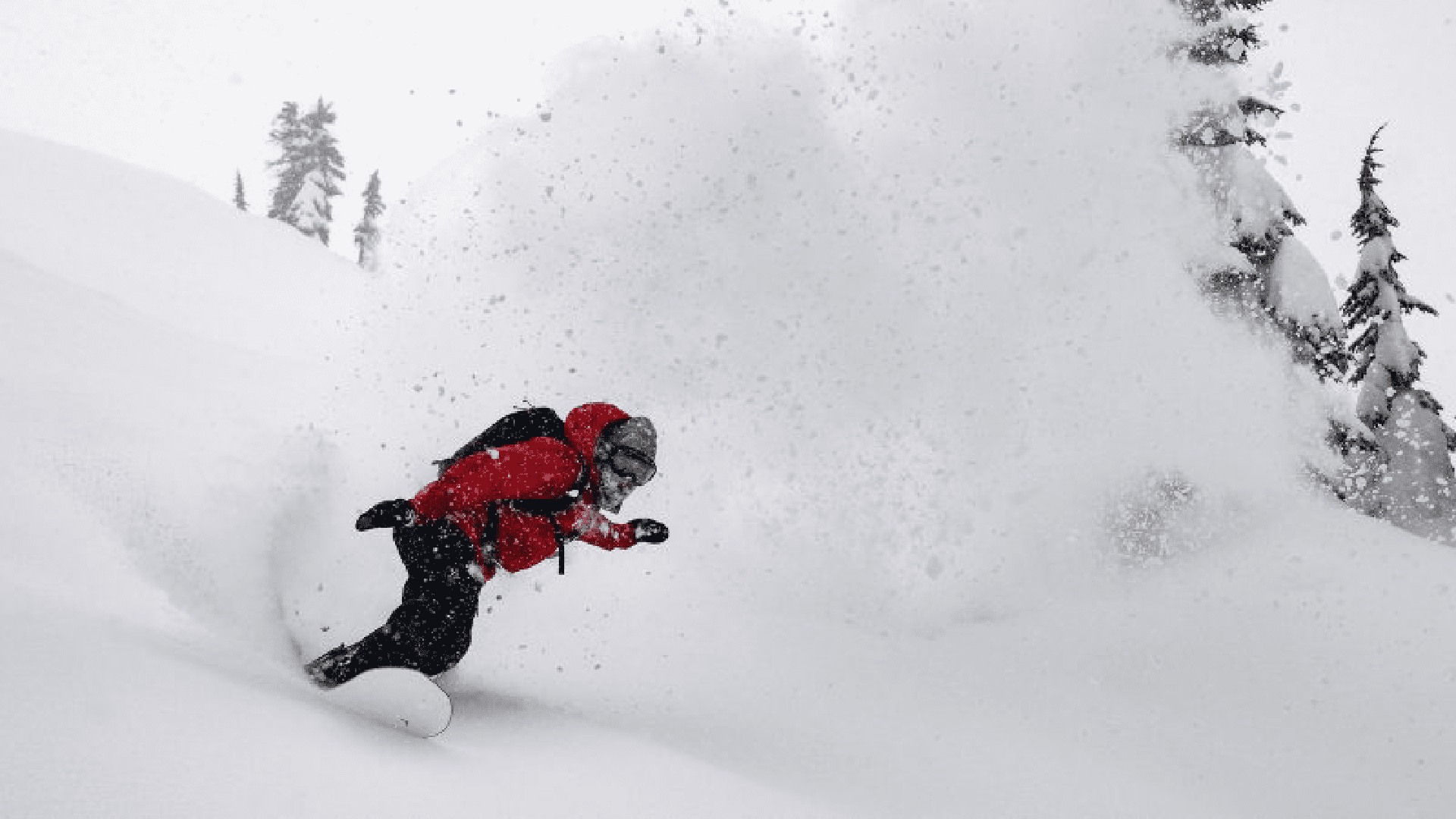
Gentemstick, founded by Japanese snowsurf ninja Taro Tamaï, has always pursued a cultural outlook rather than a commercial one. Domi Churiki, member of the Gentemstick team and dedicated snowboarder, states simply, “We are in business to make snowboarding a culture.” As the brand mission extends beyond product, he continues, “Contributing to the development of this culture is our ultimate goal. One of the most important things for cultural development is the prerequisite of protecting the environment where snowboarding can happen.” Wise words.
Some brands have evolved from offering a niche portfolio of decks to creating a more robust collection that caters to diverse riders. Mats Drougge explains, “Today we’re seen as a competitive brand to carry when a shop wants to reach a more discerning and performance-oriented customer. Stranda has gone from a specialist brand with a slim portfolio to covering most bases except park.”
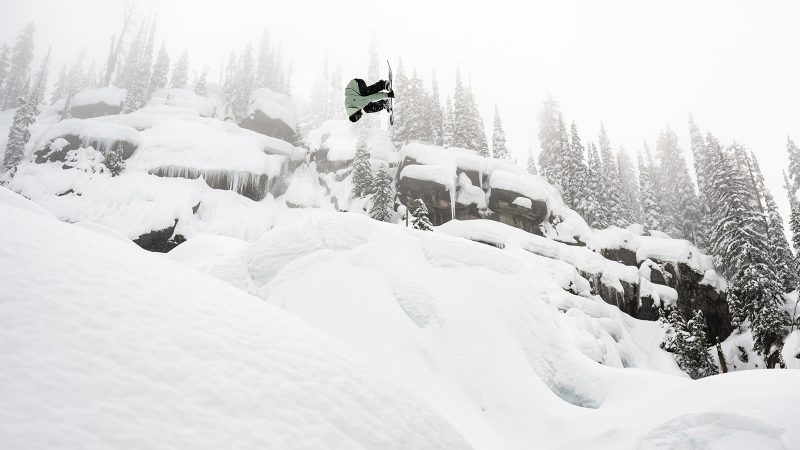
At GNU, continuity and youth stand as pillars. Pete Saari reflects, “From the roots, Gnu was started when Mike Olson and I were young, a bit more innocent and thrilled with every moment carving or jumping on a snowboard. Today, we are even more snow/surf/skate frothy but Matteo (Soltane), Cannon (Cummins), Forest (Bailey), Max (Warbington) and crew are living and loving that snow shred life…it’s their time to define what good snowboarding looks like.” The torch is being carried forward by the youth–they are the architects of snowboarding’s next definition.
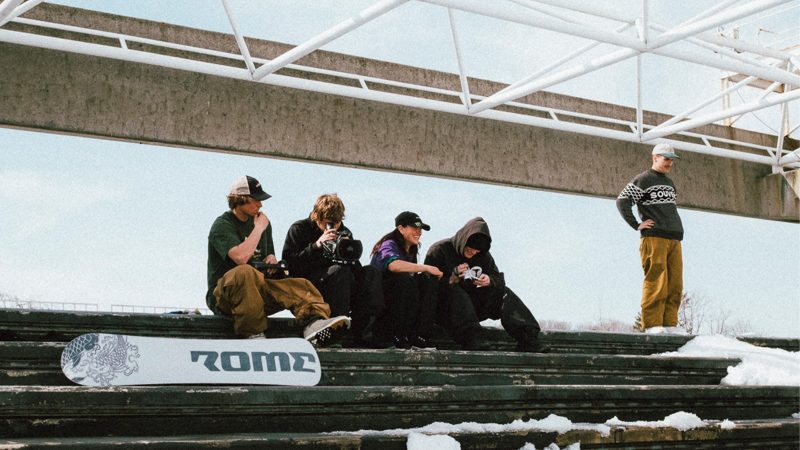
As the market continues to evolve, some brands feel that a strong vision and sense of purpose are some of the best ways to shape the future. Ben Morse, brand director at Rome, emphasizes the importance of evolution without compromise. He says, “While the goal was to maintain the DNA and technology of our snowboard line, we worked closely with Michael Chilton and Antoine Postaire to introduce almost all new shapes, with sidecut being a main focal point.” The future will not belong to the loudest voices, but to those who combine clarity of purpose with the patience to build trust.
WHAT MATTERS
As the market stabilizes, conversations are moving away from short-term wins and toward long-term responsibility. Pricing pressure, discount dependency, and overproduction remain very real challenges, but an increasing number of brands are now framing their decisions through the lens of sustainability—not only environmental, but commercial and cultural as well.
Mikkel Spellerberg, head of Forum Europe, addresses the current volatility directly: “It’s no easy game out there and very volatile in terms of pricing and discount structures.” The long game, a sustainable business aligned with snowboarding’s future, now frames decision-making. This mindset prioritizes coherence over volume. He concludes, “Of course we need to sell products–but not at any cost–it needs to make sense for the brand and snowboarding.”
Manufacturing quality continues to be a cornerstone for brands betting on durability and trust. At Academy, production consistency remains highly valuable. Founder Jeff Baughn explains that Academy’s boards are “Built at the Never Summer Factory for the 6th year. [This leads to] the highest level of quality and virtually zero warranties or breakage.”
Refinement rather than reinvention defines legacy brands like Sims. Cheyne Shoultz, marketing director, explains that “For 26/27, we’ve been refining what’s already working—clean, functional shapes with a focus on feel and flow.” Directional boards remain mandatory, but versatility matters more than ever. He expands, “Directional freeride shapes continue to lead the charge, but we’re also putting more energy into versatile twin and all-terrain boards that let riders adapt to any condition.” Drake Snowboards is also sharpening its focus on ride feel through refined directional and twin shapes, improved sidecut geometry, and optimized flex patterns. According to Barbi, “Innovation is less about complexity and more about smoother turn initiation, stronger edge hold, and predictable response across variable conditions.”
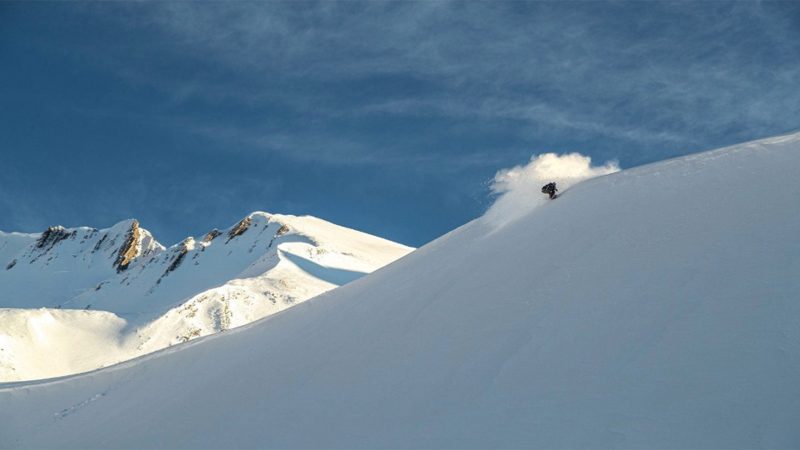
Arbor points to its long-standing commitment to its values. Eddie Wall, Marketing and Athlete Manager, reminds us, “For 30 years, we have used the most sustainable components possible. Our boards are made with 100% solar energy, and we use a closed system that captures, filters, and recycles all water.” As we know, sustainability is no longer a side note. And for some brands, it has been core for decades. Brands such as Borealis, Weston, and Jones view progression as inseparable from a sense of responsibility. Xavier Nidecker explains this direction at Jones, noting that it is “Rooted in adventure, obsessed with performance, [and] committed to our planet. We continually look to evolve our existing designs and innovate new ones, but we do this within the context of minimizing environmental impact.” Material responsibility is becoming a differentiator.
Ben Hall, owner and manager at Borealis, describes, “Our core mission is to utilise the highest possible amount of renewable or responsible materials while maintaining an extremely competitive price point.” Quality remains non-negotiable.
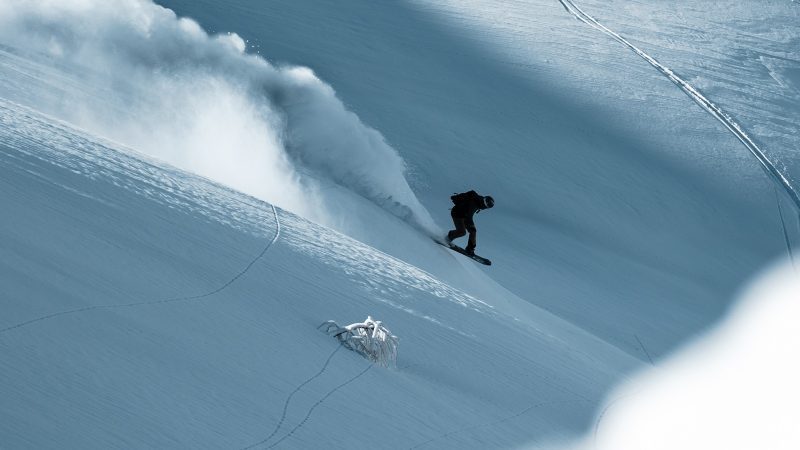
Culture, environment, and accessibility go together at Weston. As Sean Eno, director of marketing, states, “Our core mission or philosophy is to bring Powder to the People.” As commitment influences everything, he emphasizes, “We want to do our best to make sure that we design gear that can slay [and] that we build gear with the environment and our staff in mind.”
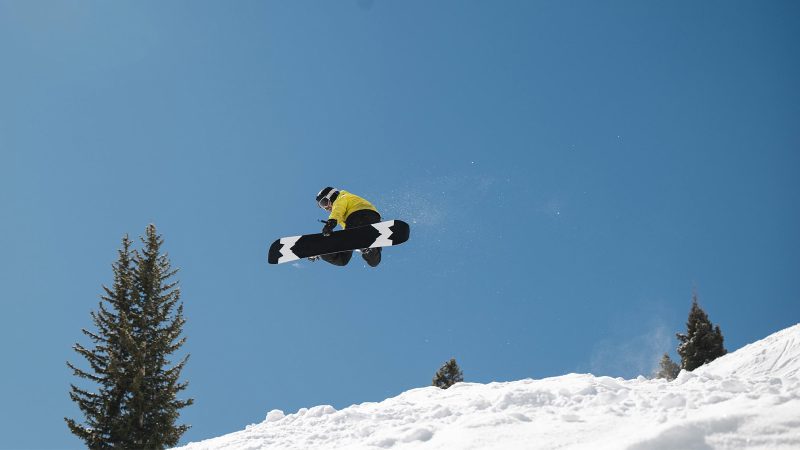
Long committed to snowboarding’s core, Salomon continues to balance heritage with relevance. Basti Kuhn, marketing specialist for snowboards for EMEA, explains that “From up-and-comers to legends, our global team shows we’re here to make an impact and stay at the forefront.” He also emphasizes the importance of “staying authentic and sharing the passion for snowboarding culture.”
A renewed focus on youth and creativity defines Yes, where snowboarding is positioned as a form of expression rather than pure performance. Pitschi explains, “Freestyle is not just tricks but a mindset that influences how you ride, create, and connect with the mountain.”
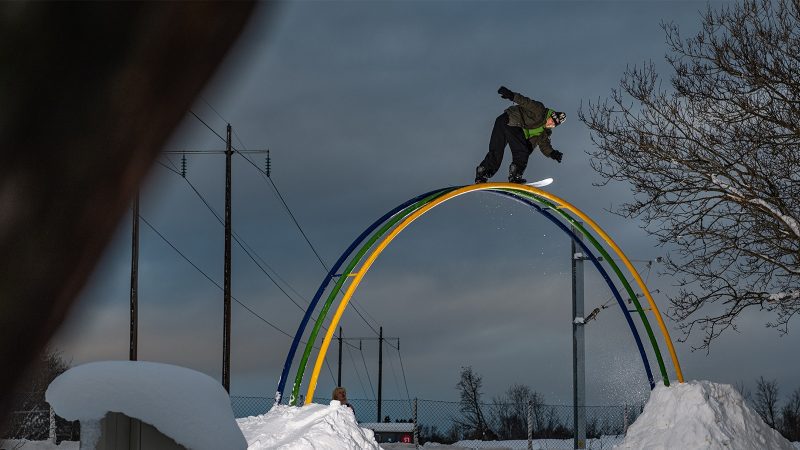
Performance and innovative refinement continue to be the goal as well. Designing with intention rather than trends, Mas builds versatile boards for riders guided by curiosity, creativity, and connection, aligning performance, authenticity, and responsibility into a single, coherent direction.
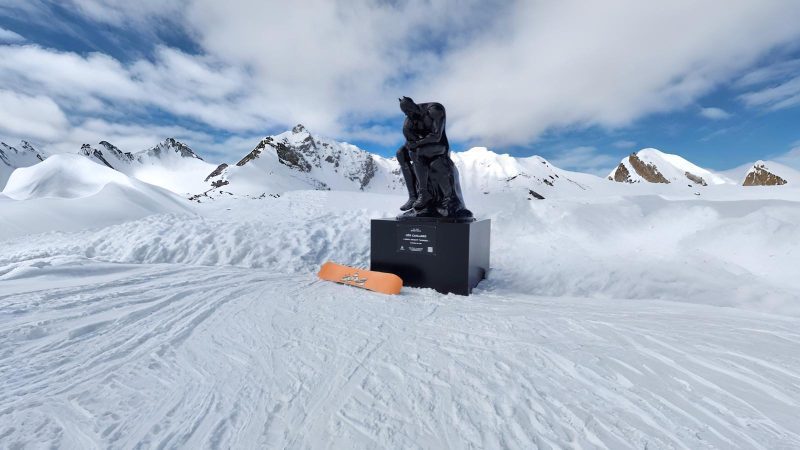
Burton highlights its ongoing exploration of geometry. “We are continuing to explore multi-radius sidecuts to fine-tune a board’s performance in different sections of a turn.” It’s a clear example of how small, targeted refinements are driving meaningful improvements in ride feel.
Innovation-driven brands are also finding broader acceptance. Reflecting on Doubledeck’s evolution, Kramer explains, “As a result, Doubledeck’s role has evolved from a niche disruptor to a recognized innovator with tangible market traction.”
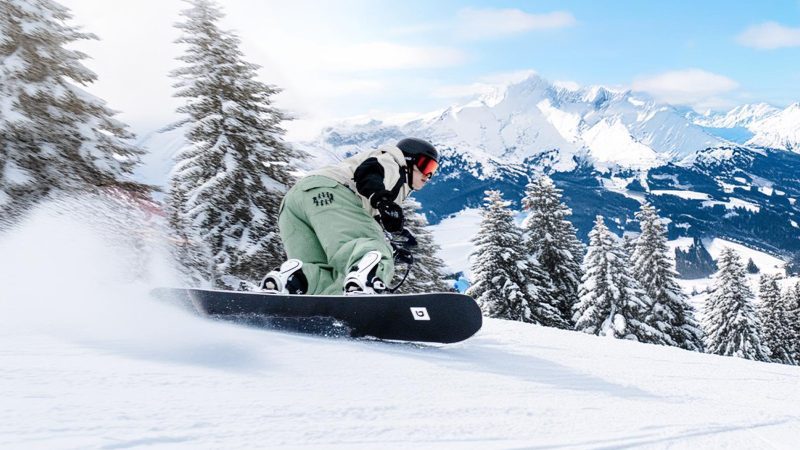
Amplid echoes this philosophy. Peter Bauer, Bavarian snowboard GOAT, states that “Amplid’s DNA is still focused on R&D.” He adds, “While other brands invest most of their money in marketing, Amplid is investing heavily into testing new materials and building new molds. We have many new geometries coming out every season.” Commitment.
Likewise, at Nidecker innovation is treated as identity rather than a marketing layer. The brand tagline says it all: Different by Design. Floquet emphasizes, “Everything we do is driven by innovation, quality, and individuality. We design with intent–each product has to bring something fresh to the table.” A rider-first mindset continues to define Never Summer Industries. “From day one, we’ve been a product-driven company,” Sasgen states, emphasizing a continued commitment to making the best possible boards with the best materials the brand can source.
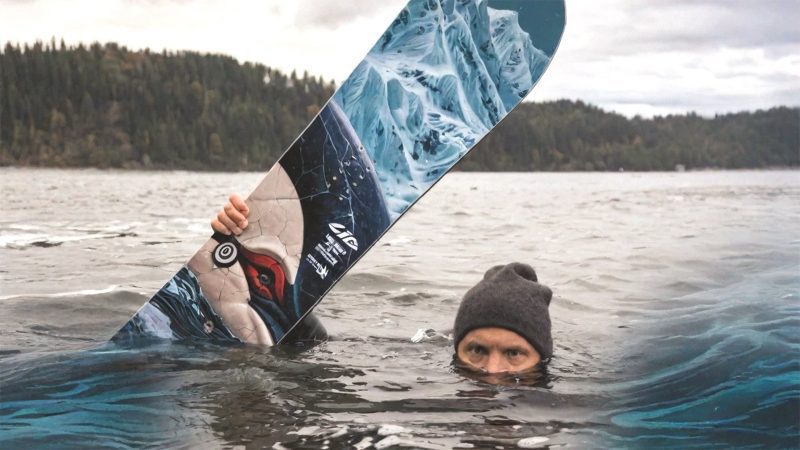
Saari at Lib Tech encapsulates the spirit: riders working with riders, fast prototyping, no barriers to creativity. He explains, “Our business is a hands-on shred based art project.” Snowboarding, at its best.
Eva Knöpfle, junior marketing manager at Head, emphasizes consistency and accessibility, “Over the past years, Head Snowboards has continuously strengthened its position in the snowboard market by offering a comprehensive range of all-mountain boards for every skill level and budget.” The goal remains universal access.
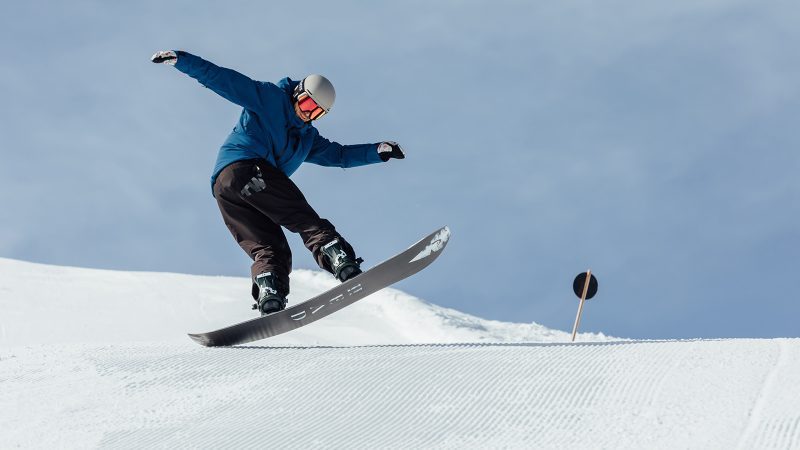
Finally, at Rossignol the mission remains grounded in rideability. Arnaud Repa, snowboard category manager, summarizes the brand’s approach simply: “Built to Ride. Proven to Perform. For nearly four decades, we’ve prioritized quality and function you can see, feel, and understand.”
Listening closely to rider and retailer feedback, Public Snowboards is expanding its offering of wide boards. “We heard a lot of riders and retailers wanting more wide options, so we’re responding directly to that demand” notes Sexton. Overall, the focus is shifting from volume to value, from reaction to intention, signaling a more mature and accountable phase for the industry.
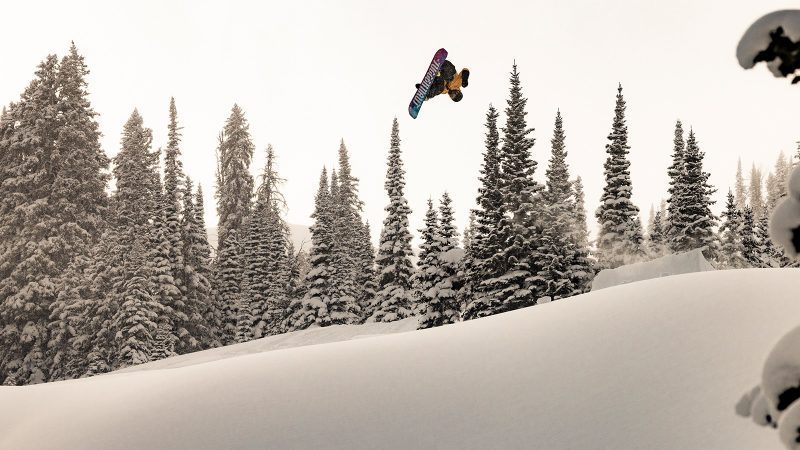
GRAPHIC OR DIE
If technology defines how a snowboard rides, graphics still define how it feels emotionally. For some brands, design remains inseparable from their lifestyle. As Saari explains, “We, at Lib Tech, design how we feel…we skate, surf, snowboard, mountain bike, love live music, art, hard work, and good living. We listen to riders and immerse ourselves in culture with a bit of extra attention to skateboarding because that’s where it all started for us.” Collaboration across disciplines, generations, and art forms reinforces the idea that snowboard graphics are not just decoration, but a reflection of the culture that surrounds them.
Pushing back against graphics that are tame and safe, highly explicit graphics have become a deliberate choice for others. Alband explains that at ThirtyTwo, “We want to be the brand that makes snowboard graphics become wall hangers again when the customer is done with it.” Emotional connection is prioritized over neutrality. He continues, “In a sea of clean and pattern-based graphics that are labeled ‘easy to sell’, we are hoping to connect with customers emotionally.” In the long term, that type of mindset opens the door to broader creative crossover. As Alband announces, “We already have skateboard brands lining up to work with us.” Giving back to the source.
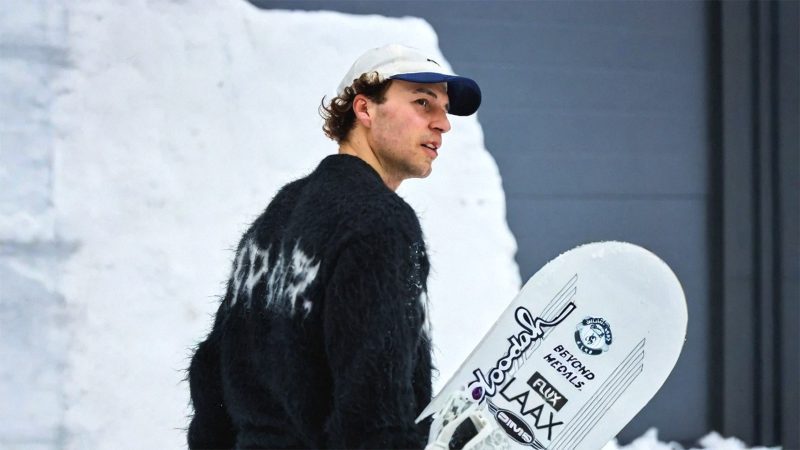
Design at Sims Snowboards leans into simplicity with intent. Timeless graphics with subtle nods to Sims’ archival heritage are paired with new artist collaborations sharing its skate–snow DNA. Shoultz puts it, “The idea is to create boards that look as good on the wall as they feel on snow.” For some creators, graphics remain deeply personal. As Verdad’s Julia reflects, “Skulls are no longer ‘fashion,’ even though I didn’t want them—but when Arno Gravebloom designed the new Emperor, fully hand-drawn after hours of work, I was blown away.” Authenticity remains the common thread. He notes, “It’s a true piece of art, authentic and timeless.”
A more stripped-back aesthetic also has its place at Drake. Barbi states, “Design for 26/27 is clean, technical, and timeless,” with visuals intentionally reduced so that materials and shapes can speak for themselves.” Athlete involvement remains key, ensuring that aesthetics continue to reflect performance and true riding influence.
Head’s cohesion across categories is increasingly important at retail. “For the 26/27 season, emphasis continues on clean, contemporary snowboard designs that are visually cohesive with boots and bindings”, says Knöpfle.
Classic designs and the raw appeal of natural materials continue to guide Goodboards. As Founder Josef Holub explains, “The brand remains true to its themes of mountains and wood, reinforcing a visual identity that feels timeless rather than reactive.”
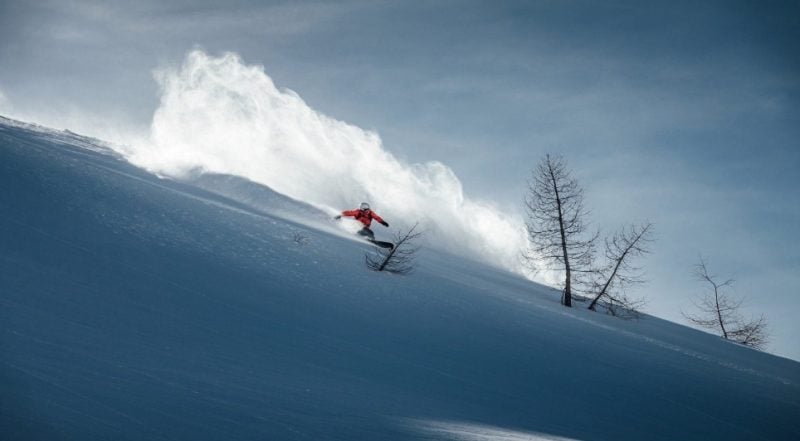
INSIDE THE VORTEX
If graphics speak to emotion, construction speaks to conviction. Product storytelling for 26/27 is rich and diverse. Still, the industry continues to focus on materials, feel, and ride experience. Let’s dive inside the tech.
The Whitespace range continues to prioritize premium materials designed to keep boards lightweight, energetic, and fast. Keough explains,“One consistent piece of feedback we get is how much fun our boards are to ride. They are lively, responsive, and different from other brands. We build our boards to maximize the riding experience.”
Academy highlights the introduction of X-BOW fiberglass, drawing a parallel rarely made in snowboarding: X-BOW fiberglass has similar properties to the fiberglass in compound hunting bows. It’s extremely snappy and retains spring action forever. Baughn also calls out that “Sintered bases are featured on every Academy Series. Why would you buy an expensive car with crappy extruded tires?”
Old pot, new recipe! Saari, Gnu in-chief, sums it up with a grin, “We loaded the new Turbo Gremlin with carbon fiber and narrowed it into an agile high powered resort ATV high performance powder sniffing hot rod.” The German precision brand Goodboards distills its design philosophy to one clear statement. Holub states, “All mountain boards. We focus primarily on the advantages of vivid camber. Period.”
Amplid pushes material science forward, introducing a new lightweight core innovation. “We are working with a new honeycomb material made in Germany which we call ‘Hollow Tech’ that shaves off weight in tip and tail and between the bindings”, says Bauer proudly. The brand pairs it with the introduction of Zero90 Carbon. Together, these materials create the amicable longitudinal flex of a glass board combined with the 90° rigidity of a carbon board for better edge control. Carving friendly, Bauer tested.
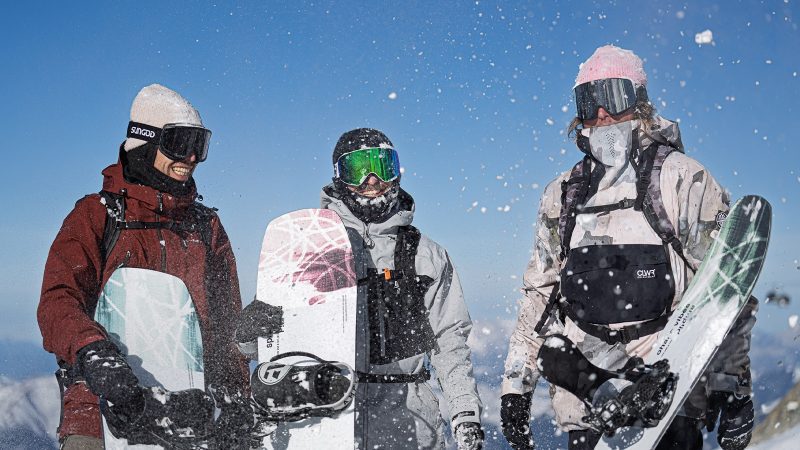
For 26/27, Burton introduces a brand-new core construction on the Process and Talent Scout that are designed for a smooth and consistent flex while saving weight. Grimm explains that this construction features “the addition of localized damping to isolate the rider from vibrations coming up into their bindings. This balances how a board feels underfoot – keeping all the snap and energy our boards are known for without beating you up at the end of the day.”
New to the game, Armada’s boards are the result of intensive testing to dial in the flex patterns, shapes, and constructions that best support modern freestyle riding. Kingsnorth explains, “We put particular focus on independently tuning longitudinal and torsional flex to optimize each model for its specific purpose.”
Mixing the old and new, Nidecker acknowledges a familiar outline comeback with rounded boards. Its new true twin Tape Deck has a steep kick at the nose and tail like those old school jib boards. Floquet adds, “But we’re always looking to move things forward, so we’ve blended this vintage geometry with the latest materials and construction.”
Next season, Bataleon introduces the Stereo, bridging a new 3BT base contour, multi-radius sidecut, and a redesigned sidekick geometry. Johnson explains that it offers “Smoother edge-to-edge transitions, quicker response, and fewer hangups–playful when you want it, powerful when you need it.” The Tornado has been redesigned with a completely new shape, more aggressive flex, and revised Sidekick profile. He ends on a bang, “Lastly, we’ve created an all new Bataleon experience in the Placebo–built on a two-dimensional base platform with all the bells and whistles you’d expect from the mad scientists in our board lab.” Bataleon continues to expand its experimental approach.
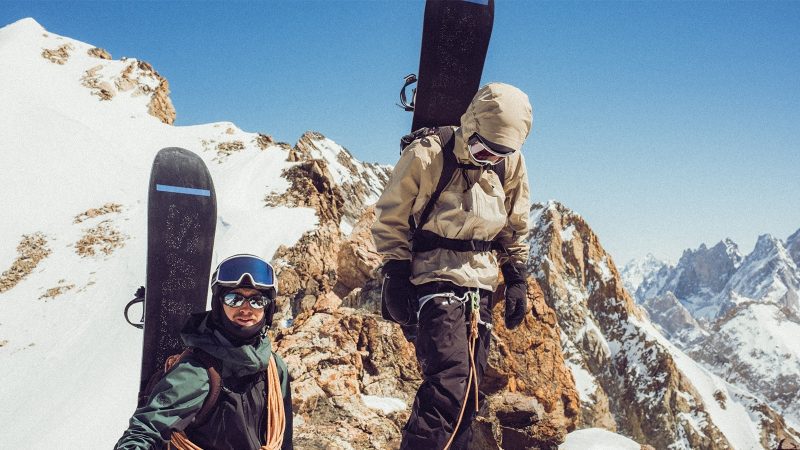
Capitalizing on evolution, The Highpath from Salomon’s Horizon series, receives refinements by Nils Mindnich aimed at versatility. The brand tops it with a new addition: The Indicator. Kuhn explains, “Inspired by an iconic Hillside Project design, it’s built for deep powder with a tapered directional shape, Powder Camber, and a long rockered nose for float and agility.” Meanwhile, Mayrhofen’s snowboard Superman Wolle Nyvelt continues shaping the future with updates to the HPS Fish.
Ride will debut two all-new boards. According to Stefan Schauer, who spearheads marketing in Europe, the boards mark a decisive step forward. “The first is the Current, Blake Paul’s pro model, developed through more than 40 prototypes to introduce something entirely new to Ride’s offering. Its multi-camber design delivers a precise balance between freeride and freestyle and launches as a gender-inclusive board available in all lengths. The second newcomer, the Vantum, blends the playful, nimble character of the Warpig with the market’s shift toward more traditional lengths and waist widths to create the most fun, versatile Ride board yet”. For K2’s upcoming season, the brand emphasizes its dual focus around its Landscape and Dopamine collections, balancing freeride high performance with freestyle identity.
Sustainability-driven innovation defines the new Ocean Bound top material from Lib Tech. Saari recalls, “Ocean bound is the fruit of a six year project Mike Olson has been working on to reduce and reuse single use waste plastic. Ocean Bound PBT is rugged and printed with our water based eco sublimation inks.” The Orca line also receives Makah western hemlock wood cores, sourced sustainably from the Makah tribe located 70 miles from our Mervin factory. A similar manufacturing approach is used for the Borealis, which integrates Zero-VOC epoxy resin, sustainably harvested wood cores, bamboo, flax pads, and recycled steel edges. The aim is clear: high performance without environmental compromise. United Shapes closes the loop with a philosophy rooted in restraint as Gray Thompson explains: “We continue to lean into honest materials that perform at the highest level, manufactured as sustainably as possible. We view refinement as performance and innovation.”
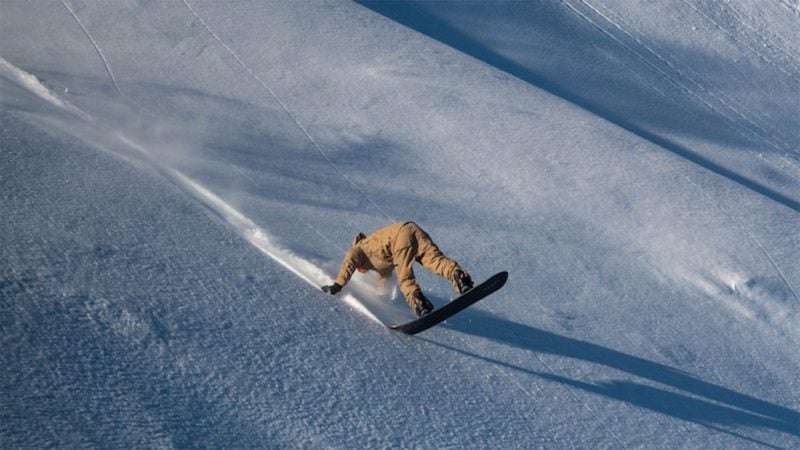
Arbor mixes product updates with a spotlight on its athletes, launching the Red Gerard Pro and the Red Gerard AM within the Candle Collection. Wall notes, “The Red Gerard Pro marks Red’s first-ever pro model snowboard, built to deliver the high-performance precision he needs as he prepares for another Olympic run.” Something to watch out for!
Expanding performance and accessibility through Christy Prior’s influence, Nitro places unprecedented focus on women’s boards. Delago describes, “Bringing Christy Prior into the Quiver design crew gives this ever-changing capsule a whole new twist.” The result is broader and more inclusive, with “additional sizes for the Banker, alongside the Ika, a new women’s exclusive powder board shape. He continues, “new additions like the Altura, the Fate Prop, and the Zaza are catering to female riders of different styles and budgets to underline Nitro’s claim of ‘Ultimate Diversity’”. Full commitment. On the same note, Armada has built out a fully balanced collection, refining women’s-specific construction, flex, and shaping to deliver performance that’s truly tailored to female riders.

LAST WORDS
The snowboard industry has learned from the past seasons, relevance is earned through clarity of purpose rather than scale or noise. Across categories, disciplines, and generations, the strongest voices are refining what they stand for and why it matters. As an example of clarity coming from introspection, Morse focuses inward. He offers, “Rome has had many chapters in its history, and it feels like the current state is the summation of its greatest hits.”
United Shapes has sharpened its focus further. As Thompson puts it, “In a time of increased product experimentation, progression and influence, our role has become more clear–to continue to uphold and refine the ethos of freeriding and the personal enjoyment, fulfillment, and expression that reverberates.”
Pitschi at Yes describes a similar cultural grounding. He explains, “We are placing renewed emphasis on the freestyle-savvy rider—someone who understands snowboarding’s culture, values quality design, and seeks boards that express style as much as performance.”
Once the esoteric “weird Japanese brand”, Gentemstick’s evolution has expanded toward influence and role-model. Churiki claims, “We have now evolved into the Authentic Reference Point and Cultural Catalyst for the global shape and freeride revolution.”

Jones’ line philosophy remains unchanged. As Nidecker says, “Every board is built for a distinct, experience-driven feel, so the same mountain can be ridden in a multitude of ways. What’s changed is our breadth, not direction.” There’s a bright future ahead.
And a final shout out from Spellerberg at Forum: “Snowboarding is rad and people like rad.” Rad words. Snowboarding continues to matter deeply to those who ride—and those who sell it. All hail snowboarding!
Brand Previews