








Mens Outerwear F/W 2026/27 Retail Buyer’s Guide
The men’s snowboard outerwear market heads into FW26/27 with more clarity than it has had in several years. An outlook by Anna Langer.
Following erratic snow conditions, shifts in consumer confidence, and heavy inventory distortion across the industry, retailers and brands alike are now aligned around a more refined understanding of rider demand. Consumers are increasingly informed, performance-driven, and selective about the brands they trust – seeking products that excel technically while delivering authentic snowboard culture and long-term value.
Oxbow sums up the current customer mindset succinctly, “customers are very focused on technicity, sustainability and everyday use for lifestyle,” says Thomas Chastol, Product Manager. Rehall echoes this sentiment, noting that “sell-through remained strong, especially in versatile pieces with style at their core.”
For Brethren Apparel, FW24/25 marked both a commercial reality check and a structural evolution. This year, they formally launched BA Supply as a step in maturing: “We are consolidating the collection, stripping away elements that haven’t performed as well and looking to produce more higher caliber, technical clothing as the market has continued further demand for these products.” This approach mirrors a wider industry move toward fewer, better-built pieces that earn their place both on the rack and on the mountain.
Across the category, FW24/25 served as a reset year. Benjamin Schwarz, Softgoods Merchandising Manager Europe at Burton states that “the season started strong, thanks in part to the full reset of our Burton outerwear line and the introduction of the Reserve collection, which delivered double-digit wholesale growth.”
Picture Organic Clothing’s CEO Julien Durant, reflects on the challenging resets across the industry, noting that “the market needed newness when all brands had lots of inventory from previous seasons.” Hurley acknowledges the uphill challenge that new brands face in a crowded field: “Consumers focused more on hardgoods than apparel, often favoring established brands,” says Product Merchandiser Manuela. Colourwear’s Head Finn Schottenius similarly notes that regional performance varied, with Central Europe showing growth despite economic pressure and inconsistent snowfall.
Despite the variability, some elements remained non-negotiable: demand for high-quality materials, rider authenticity, and silhouettes that transition seamlessly between the mountain and the streets. As 9teenTen puts it, “Only the brands rooted in real culture held any ground.”
Forward’s Global Brand Director Tony McWilliam, highlights the resilient core market, “the core freestyle/freeride market is out there on the hill, finding their own way to ride which is inspiring.” Colourwear adds that trends it adopted early – particularly unisex design and baggier silhouettes – continued to gain traction during the season. This sense of renewed cultural grounding prepares FW26/27 to be a stabilising, opportunity-rich season for retailers.
The message from brands is consistent: expectations are higher, but so is the appetite for performance-driven, authentically snowboard outerwear. The FW24/25 period clarified what consumers will and won’t compromise on. They remain price sensitive, but appreciation for true performance, durability, and brand authenticity has intensified.
Jones describes continued momentum in quality-driven purchasing, “riders are choosing to invest in outerwear that delivers on weatherproofing, durability and versatility over short-term savings.”
L1 Premium Outerwear observes a more polarised market, “the 2025/26 men’s outerwear segment tightened around two lanes: premium technical shells and accessible price-point gear that still delivers style,” says Bob Plumb, Global Marketing Manager.
ThirtyTwo highlights that competitive pricing remains a key driver, “taking retailer input and having price-sensitive high-quality outerwear accessible to consumers was a high point,” says Susanne Dachgruber, thirtytwo Apparel Merchandise Director. Airblaster Brand Manager, Jesse Grandkoski, observed cautious ordering patterns from retailers due to economic headwinds, but strong consumer engagement once the season began.
Brent Sandor, VP Marketing at 686 explains a persistent challenge, “the men’s outerwear market is more complex than ever. Trending styles, fits and colours change in real time over the course of a single season.” This reinforces the need for tighter line management and clarity in the storytelling retailers bring to the shop floor.
Horsefeathers’ Tomáš Koudela, Head of Marketing, reports stable momentum supported by strong early interest in key silhouettes and colorways: “Black – across styles and categories – is one big growth driver for us.”
FW26/27 TRENDS
Across all inputs, several major market dynamics define FW26/27: riders are better informed and more selective; authenticity is paramount; sustainability is expected rather than optional; relaxed, baggy silhouettes dominate; and versatility across resort and lifestyle use remains central.
Design teams are increasingly looking inward, drawing from rider DNA, brand heritage, and functional mountain needs rather than chasing rapid seasonal shifts. This signals a broader maturation of the category, moving from volatility toward meaningful evolution.
Oxbow reinforces its longstanding rider-led approach, “our collection is still and will always be inspired and developed with our riders.” Volcom mirrors this philosophy, “we take our inspiration directly from our riders – their style, riding habits, and performance needs shape everything we design.”
Jones makes a strategic pivot back to its foundation, “rather than chasing trends, we looked inward – to our brand’s roots,” reviving the narratives of the iconic Deeper, Further, and Higher films in modernised GORE-TEX shells. L1 draws from classic technical wear and workwear, blending clean utility with 90’s-inflected fabric textures.
Burton frames FW26/27 through its brand ethos and 50-year legacy, guided by “Elemental Alchemy – motion, flow, harmony, freedom, perception, connection, transformation.”
ThirtyTwo offers a clear design framework by segmenting the line into Destroy, Shred, and Slash – each crafted for specific riding approaches and providing retailers with intuitive merchandising logic. Colourwear positions its FW26/27 collection around a “Better Together” theme—built by riders and shaped by board culture—balancing technical outerwear with relaxed fits and street-driven energy.
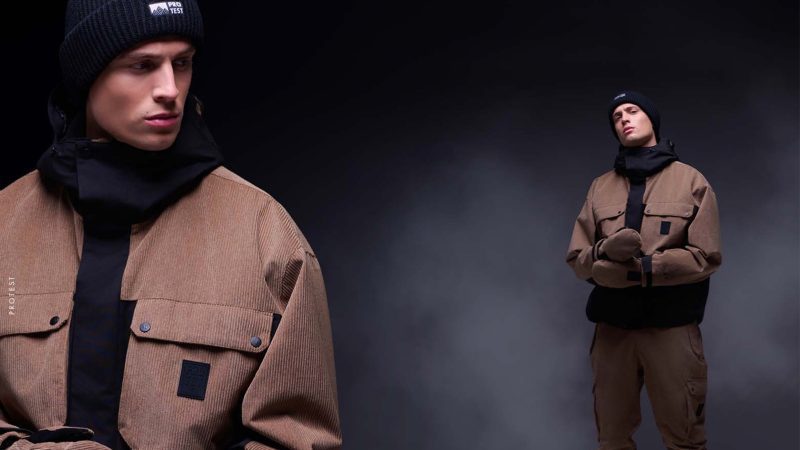
Protest injects playfulness into its directional narrative: “We explored historical clothing elements, technical stories and iconic adventure themes and then reimagined them for the future,” says Cassandra Panayotopoulos, Marketing.
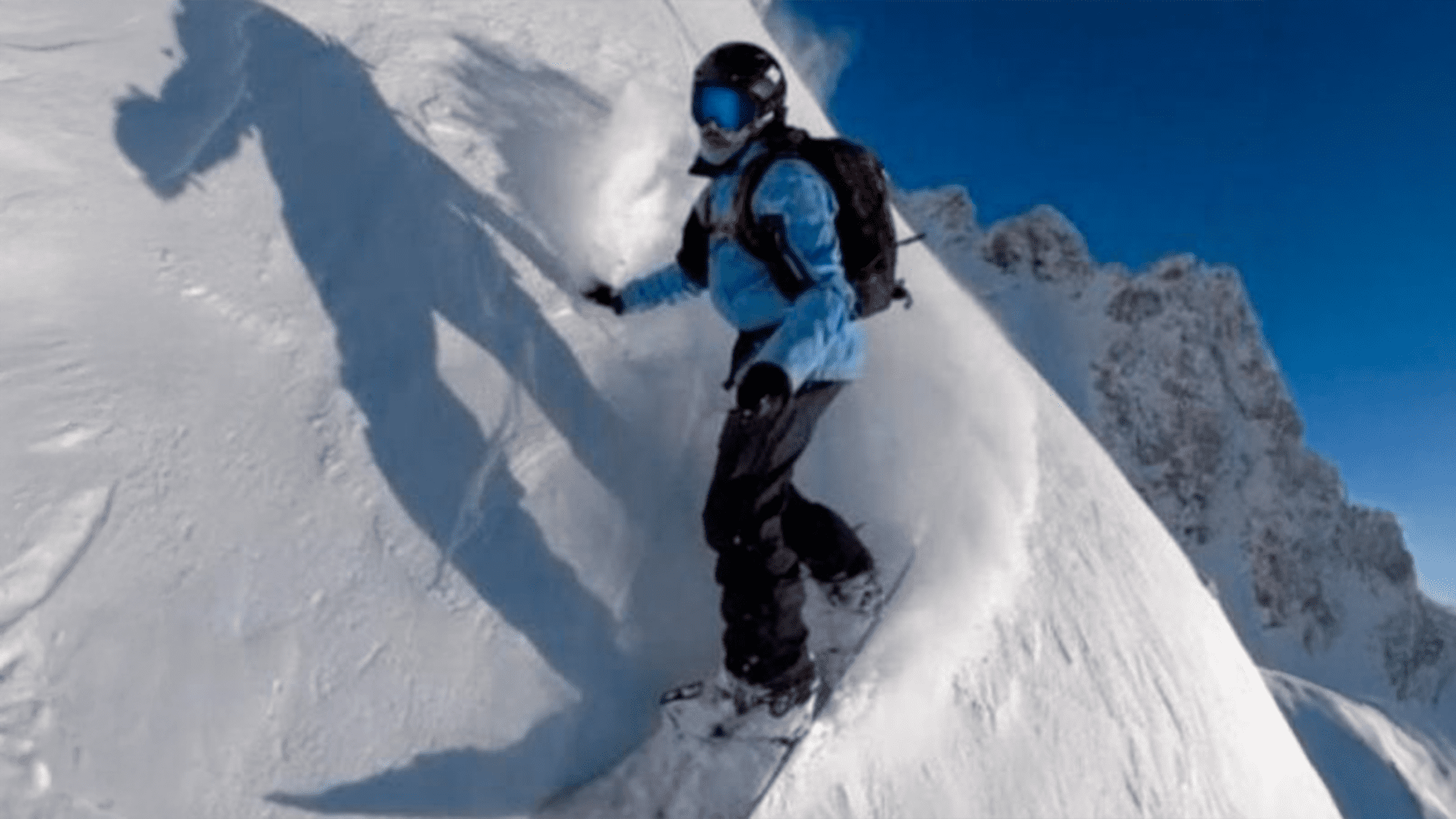
Picture notes demand splitting into two streams: accessible baggy street-driven styles and premium technical GORE-TEX freeride gear.
Forward highlights a generational wave shaping the aesthetic: “Younger brands are playing with styles and fit, which almost feels like it’s given us permission to be more progressive and experimental.”
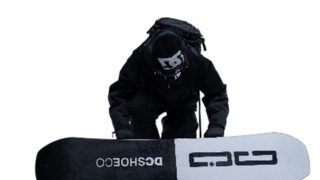
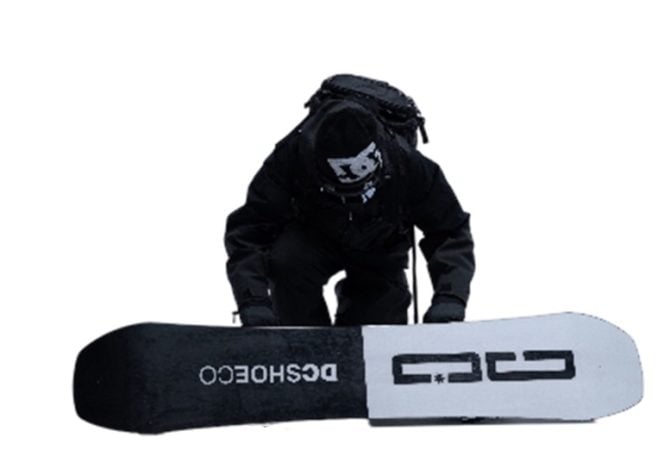
DC connects its collection to its roots: “Streetwear, outdoor influences, and deep dives into the DC and DUB archives – not remakes, but reinterpretations of their attitude.”
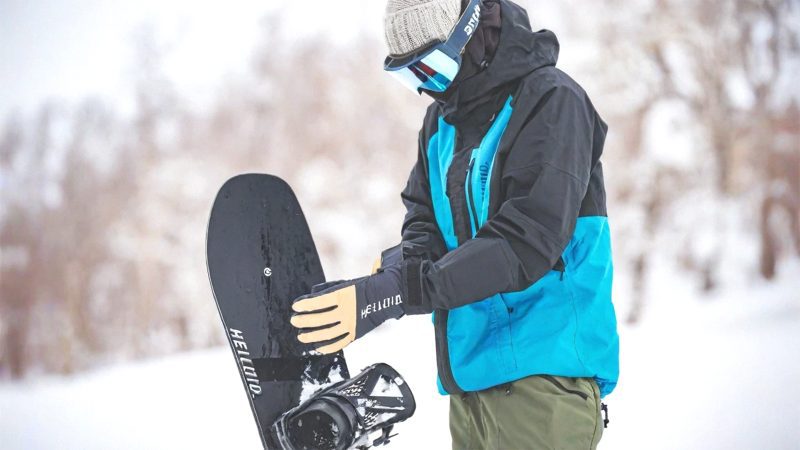
HELLOID draws from Japanese street culture where loose silhouettes, dimensional cuts, and restrained colour palettes define a relaxed but intentional aesthetic that translates naturally to snow.
Authenticity remains the creative mandate – rooted in culture, refined through performance, and designed for longevity.
FITS & SILHOUETTES
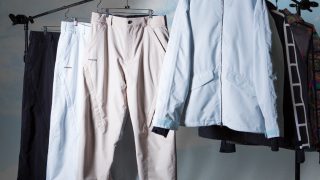
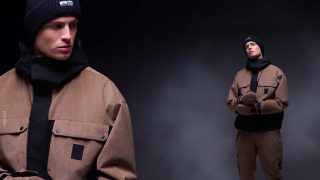
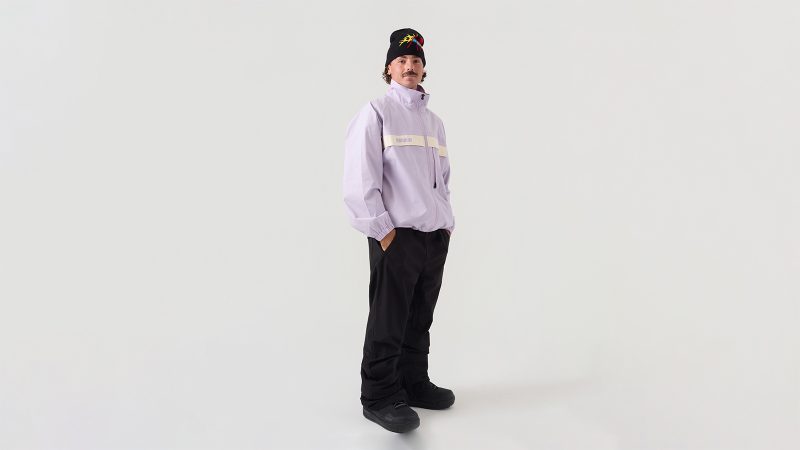
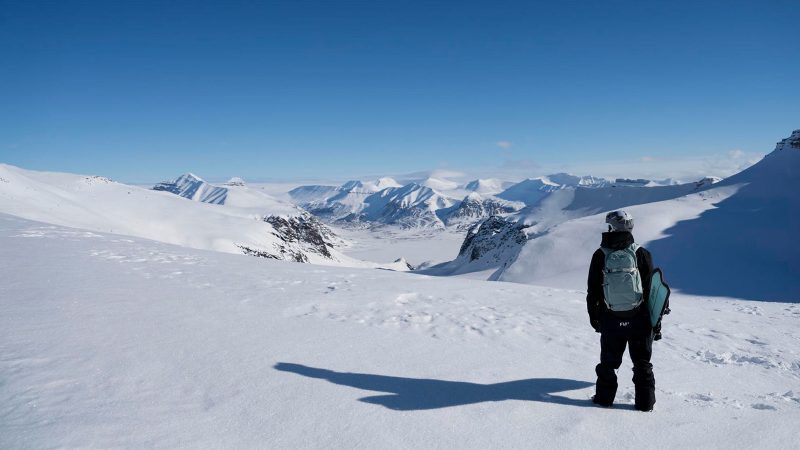
The dominant silhouette story for FW26/27 is clear: baggy is no longer a trend; it is the standard. However, this shift does not mean chaotic proportions. Instead, brands are delivering refined, articulated relaxation – silhouettes that appear loose but perform cleanly under movement, layering, and weather stress.
Rehall describes its direction as “more relaxed, freeride-inspired fits with a subtle baggy aesthetic.” Jones similarly reports “relaxed fits but with articulation and mobility kept dialed for touring and resort riding,” matching silhouettes to build personal style. Forward reminds: “It’s incredibly complex to make a loose outfit drape well and move with you.” This reinforces that engineered baggy fits are a differentiator – not simply a cut, but a coordinated system of patterning, fabrics, and articulation.
Airblaster’s approach strikes a balance many brands are targeting: “Baggy fits, but with features to securely batten down all hatches and avoid excess flapping.”
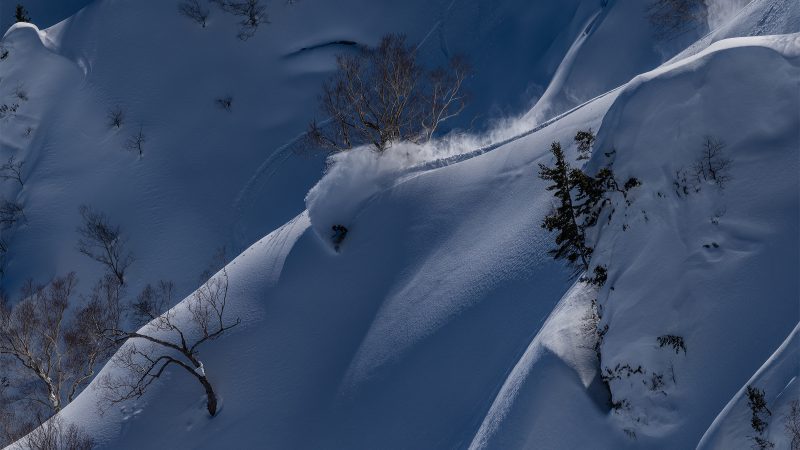
DC emphasises proportion: “We’ve worked hard to refine the fit – looser without being sloppy,” explains Christopher Cardy, DC Snow & Apparel. Horsefeathers reports success with its wide-leg Baron pants and growing traction across styles and price points.
Burton introduces a new Rider Wrap Fit and pushes Futuretrust “fully into what riders asked for: baggier, oversized, and exclusively 3L.” L1 continues its leadership in modern baggy silhouettes, deepening refinement in shaping, drape, and material weight. 686 expands its Dojo and heritage silhouettes, capturing 90’s – 00’s nostalgia while ensuring durability for aggressive riding.
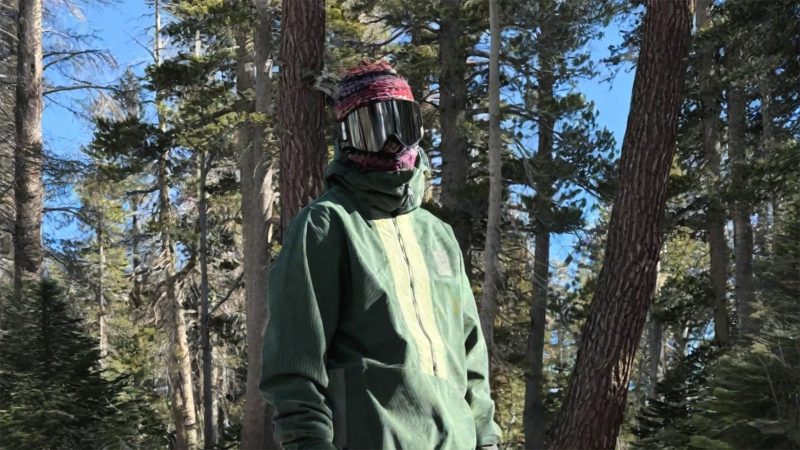
ThirtyTwo highlights a critical consumer shift toward individuality: “Consumers want an individualised fit and look, so we are giving riders the tools to customise.” Their portfolio includes Relaxed, Boxy, and Windbreaker jackets and multiple pant fits – while intentionally avoiding fads, “we are staying away from oversized clown pants.” Colourwear notes that unisex pieces are now central to the core market, with riders increasingly mixing and with riders increasingly mixing and matching silhouettes to build personal style.
For retailers, layered fit strategies remain essential: oversized youth-led styles, relaxed mainstream options, and straight fits for traditional customers.
COLOURS & PRINTS
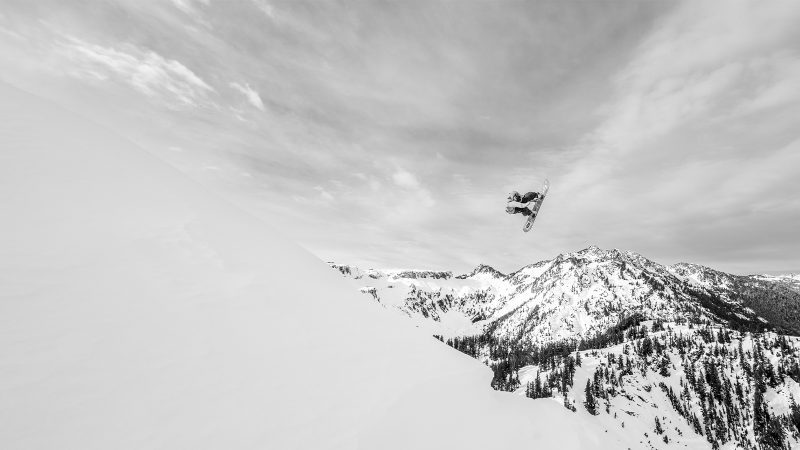
For FW26/27, colour and print direction remains anchored in natural, earthy palettes, with greater depth coming from heritage cues, fabric texture, and rider identity rather than overt trend statements.
At Burton, colour functions as a system rather than a statement. Elemental Alchemy continues to guide palette development across outerwear, midlayers, and accessories, with Rum Raisin leading in [ak] and Bearhug Brown and Summit Taupe anchoring Reserve. Prints such as Keel Camo, Desert Rock, and Seersucker Camo are developed to help retailers “build expressive but balanced assortments” rather than relying on isolated hero pieces.
Heritage-driven colour is especially pronounced at Oxbow, which references “real heritage inspiration adapting our seasonal colorway to old classic Oxbow jackets.” Shades like light pale lime, soft yellow, and dry rose are paired with classic tones and reinforced through vintage trims and silicon badges, embedding colour into brand DNA. Rehall applies a similar retro lens but with more contrast, balancing earth tones with acid lime and burnt orange to inject energy without overwhelming the line.
Jones continues to prioritise function and longevity, explaining that its palette is “built to mix across past and future seasons.” Tightened ranges for FW26/27 simplify merchandising, with dark earth tones paired against neutrals and safety colours retained at the request of backcountry riders. Volcom balances clean core shades – Black, Khaki, Teak – with familiar statement prints such as cheetah, camo, zebra, and the Snow Check, keeping visual impact recognisable rather than risky.
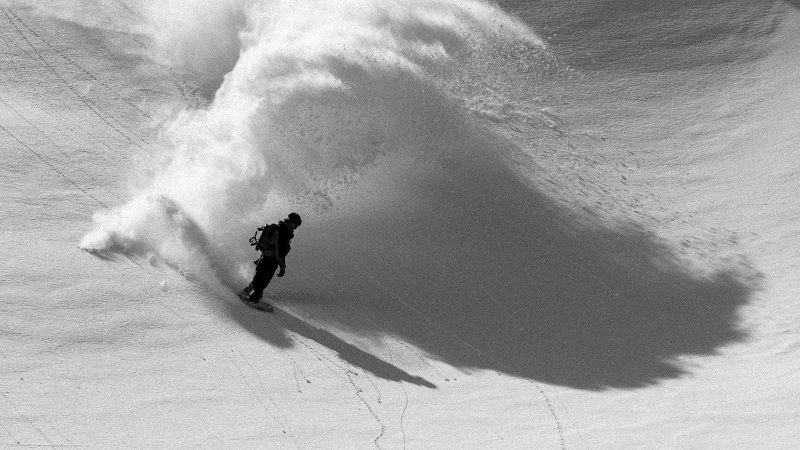
L1 expands its palette emotionally through rider and artist-driven graphics, including Eero Ettala’s jungle print and Jeremy Jones’ snow-field print, supported by military greens, deep browns, washed neutrals, soft pastels, and black. ThirtyTwo leans into Y2K visual language through plaids, piping, and stitched branding, with core colours supported by camel and teal, shaped directly by rider and retailer input.
At 686, the direction is intentionally understated, “earth tones are back with touches of pop.” Airblaster mirrors this restraint through tonal solids, colour blocking, and subtle grid camos, reserving print impact for ICE and BLACK ICE graphics derived from Arctic ice photography. Forward continues refining its palette by “moving slightly away from bright colour hits,” focusing on how colour interacts with fabric texture to create depth through light and movement.
Forum simplifies around “earthy tonals with a few pop out here and there,” says Mikkel, Head of Forum Snow EU, while Hurley differentiates through capsule-led graphics, from minimalist logo executions to expressive mushroom and Gothic motifs.
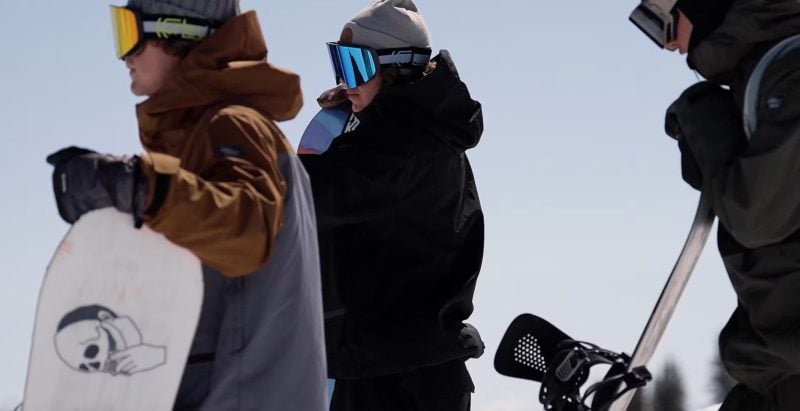
DC Shoes frames its palette as “balanced and versatile,” reworking British camo, 90s checks, and a Lilac Spray print aligned with its unisex direction. Horsefeathers rounds out the season with grounded neutrals punctuated by Yellow Blaze, Royal Blue, and the Aurora all-over print celebrating Halldor’s milestone with the brand.
Colourwear builds its palette around wearable core tones – black, off-white, dark olive – layered with subtle checks and seasonal accents like coffee brown, emphasising easy mixing and long product lifecycles.
Camo remains commercially strong, black continues to dominate, and expressive prints act as wall drivers rather than volume plays.
TECH & MATERIAL INNOVATIONS
FW26/27 represents a step forward in how outerwear approaches technology – not as a race for higher specs, but as a process of refinement rooted in riding conditions, longevity, and responsible material choices. Innovation is less about headline numbers and more about membranes that breathe longer, fabrics that support baggier silhouettes, and construction that holds up after repeated seasons of use.
At Oxbow, material decisions continue to be driven by performance credibility and durability rather than novelty. The brand relies on Sympatex membranes and PrimaLoft insulation, applying them selectively to balance protection, comfort, and longevity.
Rehall follows a similar philosophy with greater emphasis on fabric evolution, explaining that FW26/27 upgrades include “upgraded mechanical stretch fabrics with improved breathability,” alongside refined seam taping and more durable DWR applications.
Membrane evolution is a clear technical through-line. Norrøna marks a milestone with its first freeride jacket built on GORE-TEX ePE, positioning it as both a performance and responsibility upgrade. The revised cut and bold colour direction support the story, but the real shift lies in the membrane itself—part of a broader journey toward “high-performing, durable products that are engineered for long product life.”
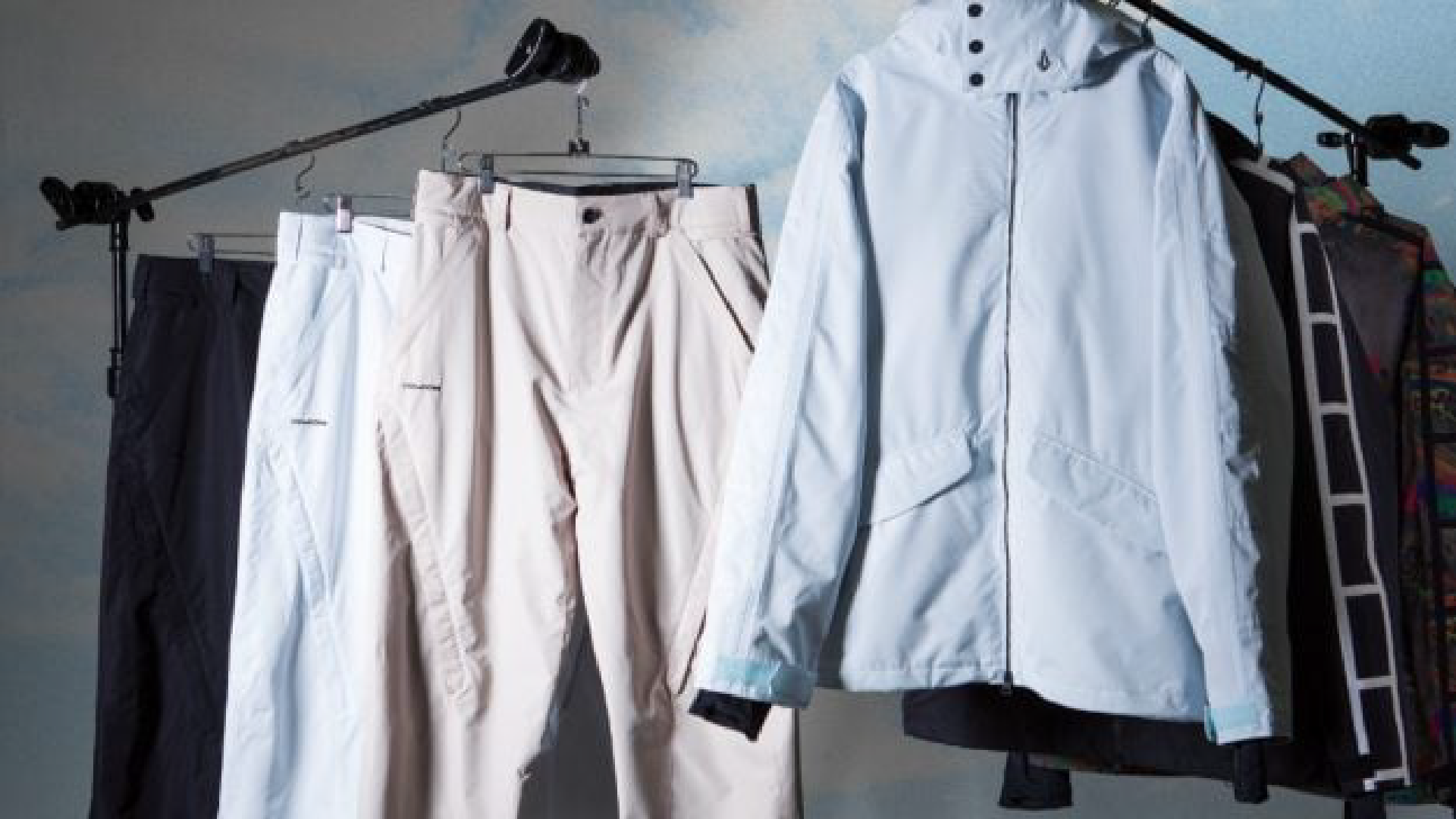
Volcom continues to anchor its line in proven systems: GORE-TEX waterproofing, Thermal Defense System (TDS) mapping, and Zip Tech integration. At the same time, the brand emphasizes that all jackets and pants are now PFAS-free, reinforcing that technical performance and chemical responsibility now move in tandem. As Volcom states, these are the technologies “riders rely on.”
For L1, FW26/27 is anchored by the launch of Nova-X Pro™, a next-generation 3-layer shell combining 4-way stretch with a bamboo charcoal membrane for breathability and thermoregulation. This sits alongside durability-focused textiles such as ForgedWeave and RipGuard, with all insulated styles paired with NovaLoft, the brand’s 100% recycled insulation.
ThirtyTwo continues expanding its recycled fabric program, particularly its use of 100% recycled 4-way stretch across 2-layer and 3-layer constructions. Meanwhile, 686 takes a structural approach, introducing heavier fabrics in baggier silhouettes to counteract wind flap and maintain shape. As the brand explains, “heavier material and sustainable choices dominate the new materials,” with over three quarters of shell fabrics now recycled or renewable.
Airblaster’s technical story is defined by functional minimalism. The brand introduces lightweight 30K ripstop into its BEAST series, paired with refined Eco-Vortex 3-layer shells featuring long venting and backcountry-driven construction. The focus remains on ventilation, mobility, and reliability rather than complexity.
Forward introduces XERO™, a proprietary membrane developed with its mill partner after failing to find a fabric that met its standards for “texture, performance, feel and sustainability.” XERO™ delivers uniform 20K/20K performance across the entire line – regardless of price point – using 100% recycled nylon and PFAS-free chemistry. As the brand describes it, the goal was “absolute protection without compromise.”
Hurley reinforces credibility at the top end with PrimaLoft-insulated models and upgraded 20K membranes, supported by a new Polartec midlayer story. DC balances technical legitimacy via its 30K/20K Storm Division while experimenting with functional novelty fabrics such as 10K corduroy. Horsefeathers refines its Ultratech 3-layer shell, improving hand feel and weight while maintaining durability.
Colourwear highlights increasing demand for technical freeride garments built for long days in unpredictable conditions, while stressing comfort and real-world use over gimmick-driven features.
SUSTAINABILITY
Sustainability is now a baseline expectation. Burton transitions fully to bluesign® fabrics and GORE-TEX ePE; Jones layers recycled materials with lifetime guarantees and repair programs. Forward pushes durability through 100% recycled nylon and in-store repair support, while Oxbow highlights recycled fabrics and long-term durability partnerships and Rehall reports reduced transport emissions, recyclable packaging, and emerging product take-back systems.
Jones summarises its layered approach – recycled down, ePE membranes, and high-end recycled synthetics – supported by lifetime guarantees and European repair partnerships.
Volcom continues building momentum behind circularity through rental and upcoming resale programs. Forward emphasises that its entire range uses PFAS-free, 100% recycled nylon while maintaining 20K/20K performance and Hurley reinforces accessibility through REPREVE®, TopGreen®, and eco insulation solutions. Norrøna remains focused on its 2029 goals of zero carbon footprint, zero waste, and full transparency.
BA Supply offers a necessary reality check, “even if the garment is made from recycled materials, those same polymer-based fabrics end up in the same place. This industry still needs honesty about end-of-life.” Colourwear adds that reducing over-ordering and returns through better product education is a key lever for lowering environmental impact, alongside increasing use of more sustainable fabrics and trims.
Operating exclusively on a made-to-order basis, HELLOID avoids excess inventory entirely, prioritising core riders and long product life over scale – an approach that aligns sustainability with cultural credibility rather than marketing narratives. “We prioritise meeting real customer demand over maximizing profits, which means we don’t have leftover inventory in the market.”
roarsome
KIDS OUTERWEAR
For many male snowboarders, outerwear purchases extend to their children, with fathers prioritising durability, ease of use, and gear that keeps kids motivated to ride.
Roarsome builds emotional engagement through character-driven storytelling, “rather than just putting on a coat, a child is becoming Spike the Dinosaur or Sparkle the Unicorn.” The AW26 range covers full winter systems, with “90% of Roarsome’s clothing made from recycled plastic.” WeeDo focuses on long-term value through its grow system and durable construction. As the brand explains, “Your child can wear it for a long time – and then even pass it on to their siblings,” supported by a commitment to textile-to-textile recycling.
Together, Roarsome and WeeDo offer two clear kids’ propositions – imagination-led engagement and longevity-driven functionality – both aligned with how fathers approach gear purchases.
weedo
OUTLOOK
FW26/27 signals a stabilisation phase for the men’s snowboard outerwear market, defined by clearer consumer expectations and more disciplined brand strategies. Riders are demanding fewer gimmicks and more credibility – rewarding brands that deliver authentic culture, refined fits, and performance that holds up over time. For retailers, success will hinge on curated assortments that communicate purpose: why a product exists, who it is for, and what makes it worth the investment. Sustainability will no longer function as a headline differentiator, but as a baseline requirement tied to durability, repairability, and transparency. Overall, FW26/27 presents a quieter but more resilient opportunity – one built on evolution, not excess.
Brand Previews