









Splitboarding F/W 2026/27 Retail Buyer’s Guide
The Winter 26/27 splitboard season arrives at a moment of renewed clarity and confidence in the backcountry world. After years of post-pandemic turbulence, supply-chain hiccups, and unpredictable winters, the industry finds itself on more stable ground. More importantly, riders are returning to the mountains with sharpened expectations and deeper knowledge. Ladies and gents, welcome to next winter’s Splitboard Hardware 26/27 Retail Buyer’s Guide, brought to you by Matthieu Perez.
Statement of the state.
As Kyle Hansen Kahn at Karakoram observes, “While growth rates and consumer spending moderated from pandemic highs, participation remained strong.” The community is evolving fast today: “Riders understand the differences between entry-level and performance systems.” He adds, “The market is maturing with repeat customers upgrading equipment rather than first-time buyers dominating sales.” The steady return to a more balanced market is echoed by Peter Bauer, snowboard wizard at Amplid, who experienced a 22% growth cycle. He explains, “It seems that the splitboard market is slowly recovering from the post-Covid phenomena, and also the demand for solid boards has been really good.”
It’s a promising sign, confirmed by Kjetil Bjørge, CEO at Fjell, who highlights “the interest of being in the mountains in general and to have the equipment for the best experience possible, even though winter remains inconsistent. Regions with strong snowfall continue to thrive, while areas that only received fleeting storms observed a softer season. Through all these fluctuations, rider motivation remained unwavering – a testament to a community seeking quality, longevity, and meaningful time in the mountains. Some brands have held their ground firmly by refusing to follow patterns of overproduction. The team at Korua reiterates a commitment to long-lasting, surf-inspired shapes with consistent carry-over models that avoid seasonal closeouts – an approach that resonates strongly with retailers fighting for healthy margins. The retail reality is not always simple, of course.
Ota Tyl, CEO and shaper at Gara, points out that optimal snow conditions came late in previous years. He observes, “Unfortunately, many shops were offering discounts on carry-over items, so they didn’t make any profit. I don’t think splitboards should be on the list of seasonal products like outerwear – it’s hardware.”
Meanwhile, Billy Madej at Spark R&D notes, “The 24/25 season was a great season to get back on track after the boom-and-bust inventory cycle of the last few years. We saw a modest but legitimate rise in market demand for splitboard bindings worldwide.” Market demand for bindings is rising again, and with it comes a clearer direction: lightweight performance materials, sustainability, ergonomic ease of use, and the relentless pursuit of reliability. Women’s participation is on the rise, something Spark celebrates by supporting women-only splitboard films and collecting rider-specific product feedback.
The shift is also visible on the skin track. At Jones, Brand Manager Xavier Nidecker describes, “Just like resort riders, today’s splitboarders are no longer a niche, one-dimensional group. It’s an experience-driven category, ranging from high-alpine ‘shralpinists’ to deep-powder seekers, local explorers to fitness-focused tourers.” The mix of motivations and riding styles has never been richer, leading to splitboard lines that are more versatile, more inclusive, and more reflective of the culture’s growth. He concludes, “Splitboarding’s in an exciting place.”

The struggle is real.
While optimism defines much of the 26/27 outlook, the challenges shaping the landscape remain real – and worth understanding. Arnaud Repa, Snowboard Category Manager at Rossignol, acknowledges, “While splitboard sales are still declining, the trend is here to stay and dedicated consumers look for high-tech/high-quality products.”
Production and logistics remain a puzzle for many. “On the production side – Amplid is manufacturing all boards in Taiwan – there was no impact on higher tariffs on raw materials. Now getting boards into the US is a real hassle!” explains Peter Bauer, CEO and Founder of Amplid. Such obstacles can shape product flow, inventory strategy, and ultimately retail availability. Amid all of this stands the ever-persistent challenge of uncertainty. Shipping, tariffs, and snowfall continue to be unpredictable. At Spark, Madej points out, “We stay nimble, keep a good attitude (and a good sense of humor), and we continue on. What else can you do?”
These pressures are pushing brands to rethink how they support shops. At Jones, retailers sit at the center of the ecosystem, and long-term health depends on responsible sell-in, clean inventories, and avoiding overproduction. Carry-over models help protect margins and prevent the discount cycles of the past. Similarly, Nitro highlights a one-stop-shop approach, backing retailers with a full range of gear and strong after-sales support. When asked how Radair supports retailers, the answer from its co-founder, Harry Gunz, is straightforward: “We don’t. We are participating in some of the splitboard-supporting on-snow demos, but our splitboard sales are 95% online.” Choose your guns.
Boot it.
The Vertical boot at Nitro got some key upgrades – more precisely, the use of on-molded Endure® Gravity Foam in the toe box to withstand unpadded molded straps and crampons. Delago notes, “Boot technology is tightening its focus on durability and tour-ready resilience.”
Strap it.
Bindings continue to evolve at a rapid pace, with high-end performance increasingly merging with all-day comfort. Spark R&D makes a notable leap with the introduction of the well-deserved Nick Russell Pro Binding. It features a Surge baseplate with Arc straps and a stiff carbon-reinforced nylon highback, with a new heel loop engineered to cant for more response, plus snow camo padding on both the baseplate and highback for added comfort and grip. Madej explains, “This is the most high-end, feature-rich binding we’ve ever made, and seasoned splitboarders are going to love it.”
Interface and climbing hardware progress in parallel. Karakoram pushes the carbon program forward with the Carbon-Ti Ride Mode 3.0, their lightest and most efficient interface yet. Paired with the weight-saving C4 Carbon Nyolite highback, the durable X3 Riser, and the AirPod strap system that eliminates pressure points – plus recycled-carbon buckles – the direction is clear: high-performance touring with maximum efficiency and minimal weight.
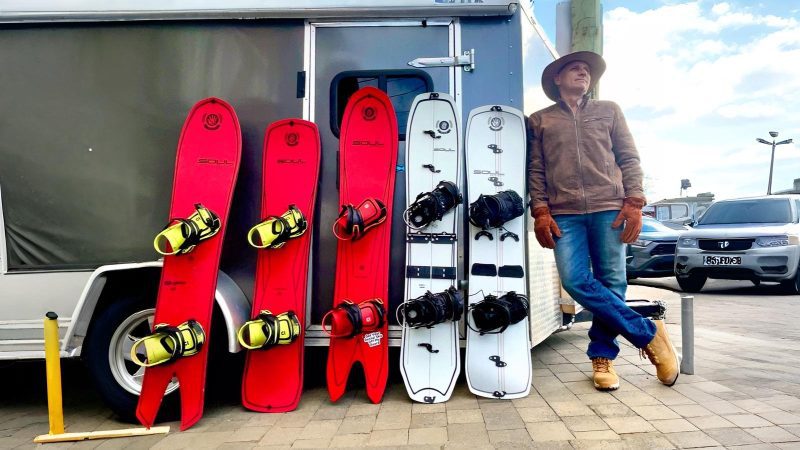
Finally, Nitro pushes its own buckle and strap refinements on the binding side. As Delago explains, “The main goal was to reduce weight without compromising performance. Additionally, our splitboard binding is based on Spark R&D’s leading system, providing users with confidence and an easy-to-use experience.” For retailers, this alignment between familiar interfaces and improved components helps maintain consistency and guide consumers through their purchase choices.
Split Deck Tech.
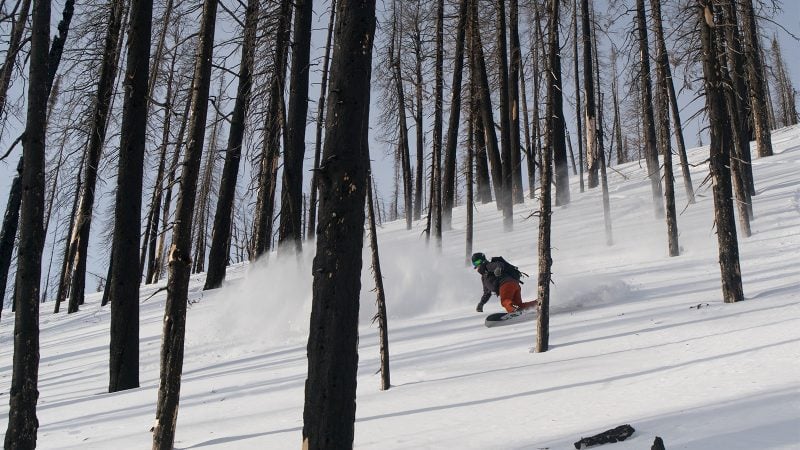
The heart of the splitboard remains its deck, and for next winter, most brands focus on refinement, material quality, and shape longevity rather than sweeping reinventions. Some brands, like Rossignol, report that their 25/26 splitboard offering will carry forward to 26/27, with subtle facelifts on boards. The approach is mirrored at Fjell, with its permanent shapes that continue to champion lightweight performance and the ability to transform splits into binding-less boards when desired.
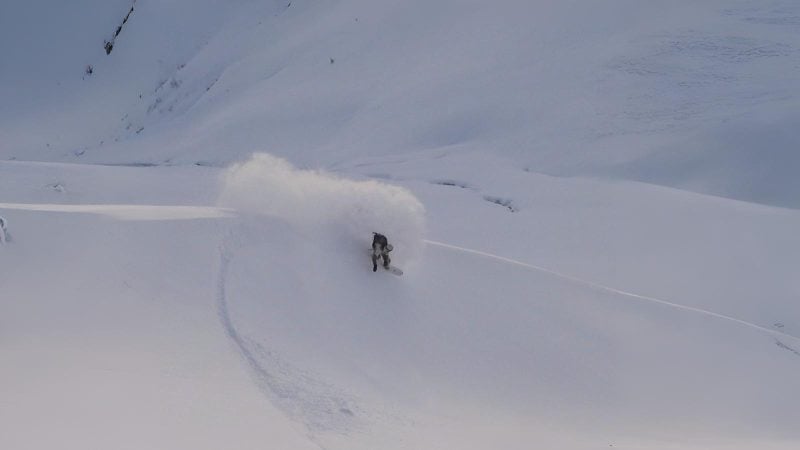
Korua expands its versatile Transition Finder family with three new split sizes – 148, 153, and 162 – in addition to the existing 157, offering more options for different rider types, especially women. Gara continues its meticulous approach, emphasizing the endless possibilities unlocked by fine-tuning materials and shapes using only the highest-quality components.
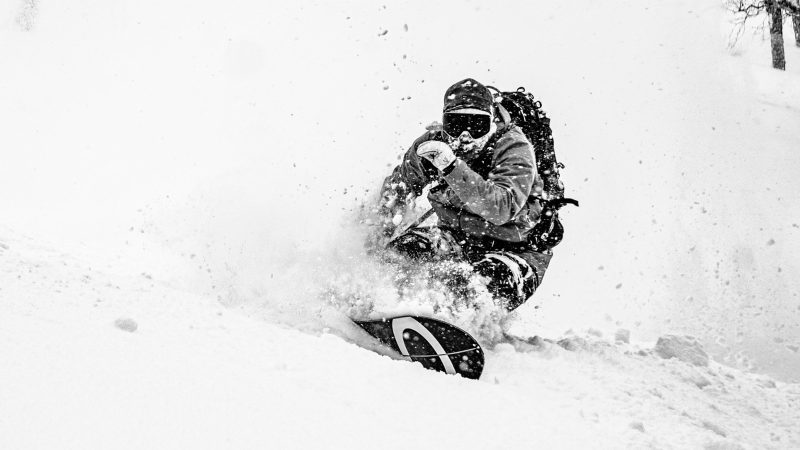
A standout update comes from Jones. Nidecker explains, “We’ve adapted our hugely successful Howler solid board into a split-specific model. The new men’s and women’s Howler Splitboards are designed for confident freeriders who want to unlock their freestyle instincts deeper in the backcountry. They eliminate the classic ‘either/or’ dichotomy between technical big-mountain boards and playful freestyle options by fusing the two.” Visually, the line embraces a vibrant interpretation of late-60’s and 70’s psychedelia, distinguishing it on shop walls as much as it does on snow. Material nerdism shows up at Radair with the full-carbon Split 179, a single-sized lightweight wet-process laminated wood core construction with PU sidewalls. Gunz states, “Those who know the advantage of a longer board in various changing conditions will buy; others won’t.”
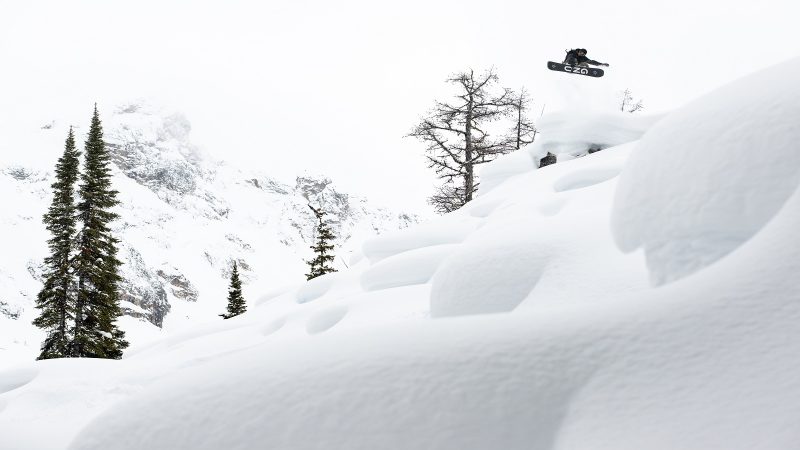
Nitro rounds out the deck landscape with a compact yet diverse offering: “From technical, skinning-oriented models like the Doppelgänger, to the Alternator FX Split, an all-mountain fun machine, to entry-level and even kids/youth splitboards,” illustrates Delago. Diversity and accessibility remain central themes across the whole line. Next winter’s 26/27 collection stands as a celebration of thoughtful evolution. Technologies are lighter and stronger. Board shapes reflect both tradition and innovation. Retailers benefit from cleaner inventory strategies. And the community keeps widening, welcoming all types of backcountry snowboarders with open arms. In the wise words of Madej, the philosophy is simple: “Splitboarding does not discriminate and is for EVERYONE.” Get out there!
Brand Previews