










Womens Outerwear F/W 2026/27 Retail Buyer’s Guide
The women’s snowboard outerwear market enters FW26/27 with renewed confidence and a clearer sense of direction than it has had in several seasons. Report by Anna Langer
After seasons of fluctuating snow conditions, uneven inventory, and shifting priorities, brands and retailers are now aligned around a clearer understanding of what female riders want: performance-driven outerwear that offers real choice in fit and style while staying rooted in snowboard culture. FW26/27 marks a category no longer defined by compromise, but by rider-led design, expanding unisex options, and a more confident balance between technical credibility and personal expression.
Thirty two
MARKET OVERVIEW
The women’s snow outerwear market through FW24/25 showed resilience amid recalibration. Despite challenging conditions – high inventories, cautious retail ordering, and inconsistent snowfall – several brands reported stronger-than-expected performance in women’s categories, in some cases outpacing men’s.
Cassandra Panayotopoulos, Marketing at Protest Sportswear described FW24/25 as a particularly strong season, driven by standout silhouettes and lifestyle-forward pieces. “The women’s FW 24/25 collection performed exceptionally well,” citing strong demand for ZIP-Shift jackets, cropped styles, and coordinated urban outdoor accessories – reinforcing that women’s outerwear succeeds when fashion confidence meets functional credibility. 686 agree: “We are seeing growth of contemporary styling in multiple directions – some want it baggy and some want more traditionally fitting skiwear. Both sides are thriving with more great options than ever.
Airblaster also reported positive momentum, pointing to women’s-specific fit and expressive colour as key drivers. “Women’s Outerwear remains a strong category,” Sales Director Kyle Phillips explains, as inventory pressures eased and early snow supported engagement. Forward highlighted a broader cultural shift, noting that “a lot of brands underestimate the desire for women to get out into the mountains and ride just as hard and as fast as the men,” alongside growing demand for unisex pieces that allow riders to mix fits freely, says Global Brand Director, Tony McWilliam. Colourwear echoes this regional split, noting that while the Scandinavian market was tougher, Central Europe showed growth despite economic pressure and late-season snow.
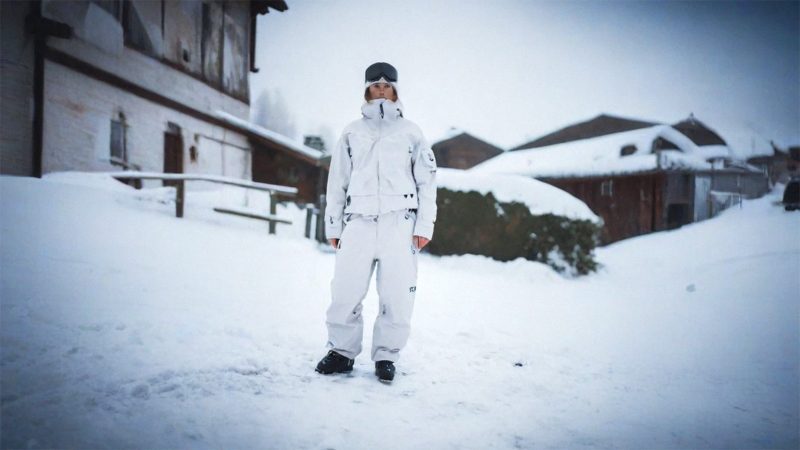
Horsefeathers reported stable conditions with faster growth on the women’s side, driven by updated fits, refined styling, and black continuing to rank as a top-performing colour. Jones observed continued investment-driven purchasing, with riders prioritising “weatherproofing, durability and versatility over short-term savings,” and strong uptake of the unisex MTN Surf Tweaker among younger all-mountain consumers.
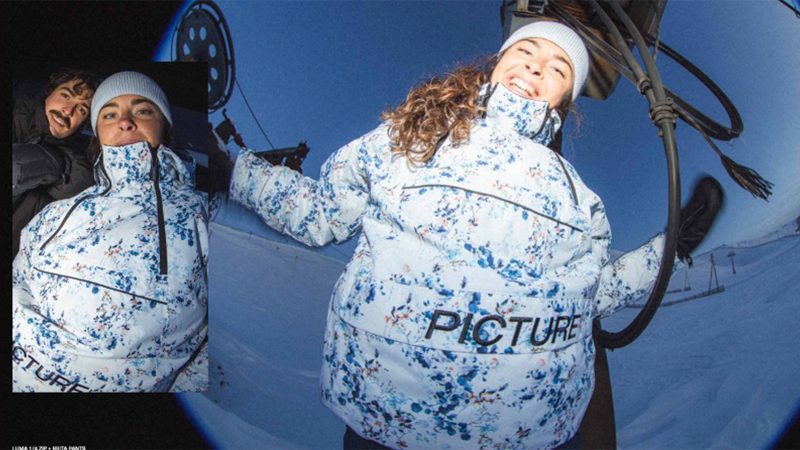
At the more challenging end, Picture Organic Clothing characterised FW24/25 as “very hard,” pointing to market saturation and a lack of newness – positioning FW25/26 as a necessary reset, according to CEO Julien Durant. Across brands, the takeaway remained consistent: women’s outerwear performs best when it is purpose-built, clearly merchandised, and supported by authentic technical, cultural, or expressive narratives.
TRENDS
FW26/27 signals a clear shift in how women’s snowboard outerwear is designed and positioned. Rather than relying on narrow gender definitions, brands are expanding choice through female specific fits, relaxed silhouettes, and unisex options that allow riders to define their own style and function.
Burton frames this evolution as part of a broader reset, “simplifying the line, elevating functionality, and rebuilding our portfolio for long-term growth.” Rider alignment across genders continues to drive “unexpected style shifts, bold fits, and a more expressive, movement-driven approach to outerwear,” says Benjamin Schwarz, Softgoods Merchandising Manager Europe.
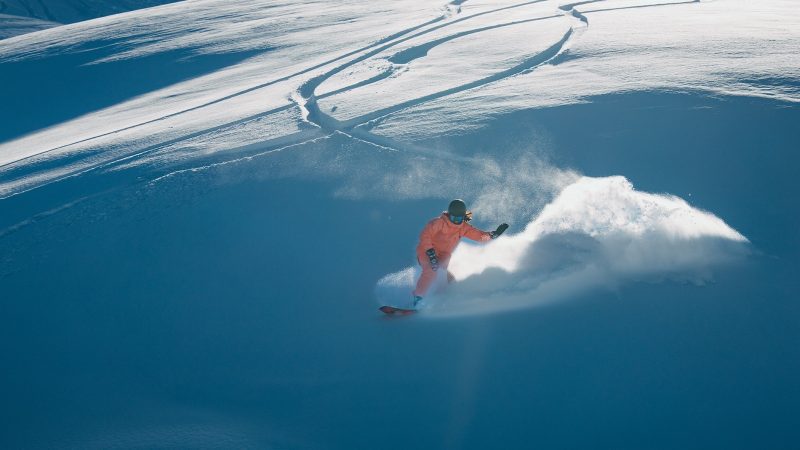
Volcom echoes this philosophy, stating that “style and fit come first, regardless of gender.” The focus is on outerwear that feels right and performs without limiting identity, supported by a growing women’s team that actively shapes product and storytelling.
ThirtyTwo makes the unisex direction explicit for FW26/27, citing “a focus on unisex fit and styling.” Its women’s team wears pieces across the entire line, while the new JIB fit – developed around Jib Gurl’s custom pant shape – demonstrates how rider-driven design now extends beyond gendered categories.
At the same time, brands such as L1, Jones, Protest, and Rojo continue to strengthen female specific design as a complementary path. L1 points to rising demand for “purpose-built designs – not resized men’s silhouettes,” while Protest balances expressive narratives of transformation with technical credibility. Oxbow, positioning its line as fully unisex, reinforces this rider-first approach, noting that its premium silhouettes are “still and will always be inspired and developed with our riders and brand ambassadors,” while its “Old Roots, New Tech” collection responds to demand for wider fits and vintage-inspired style without sacrificing performance. 686 take inspiration from their team and their travels, “from colour to silhouette and graphics, everything is derived from the actual experience”, says Brent Sandor, VP Marketing.
Women are no longer choosing between fashion and function or between men’s and women’s racks – they are choosing what fits, what performs, and what feels authentic.
FITS & SILHOUETTES
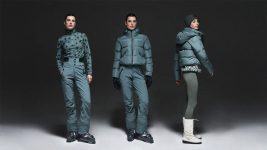
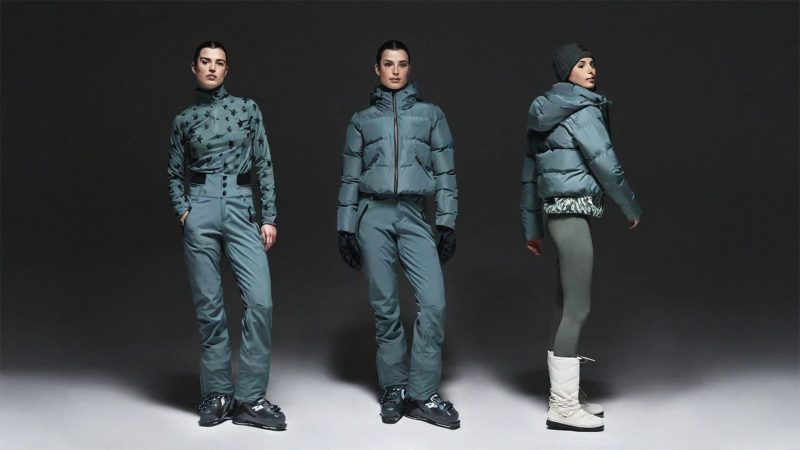
The silhouette story for women in FW26/27 is clear: relaxed and baggy fits have moved firmly into the mainstream. This shift is not about excess volume, but about re-engineering fit to flatter, move, and perform under real riding conditions.
Across collections, fit is treated as a design pillar rather than a trend response. At Airblaster, “FIT, FUN, and FUNCTION” continue to guide development, with the EVERY BODY fit expanding across new and updated styles. One-piece suits such as the SASSY BEAST SUIT and FREEDOM SUIT have been refined through adjustable waists and revised patterning, allowing riders to customise fit without compromising performance.
Relaxed silhouettes are equally central at Jones, where fits have widened in line with market movement while articulation and mobility remain non-negotiable. The growing appeal of unisex options like the MTN Surf Tweaker reflects demand for flexibility in silhouette choice, supported by women’s-specific colours and sizing for clear merchandising. Colourwear notes that many core female riders are increasingly seeking genderless pieces, with baggier silhouettes offering both comfort and style.
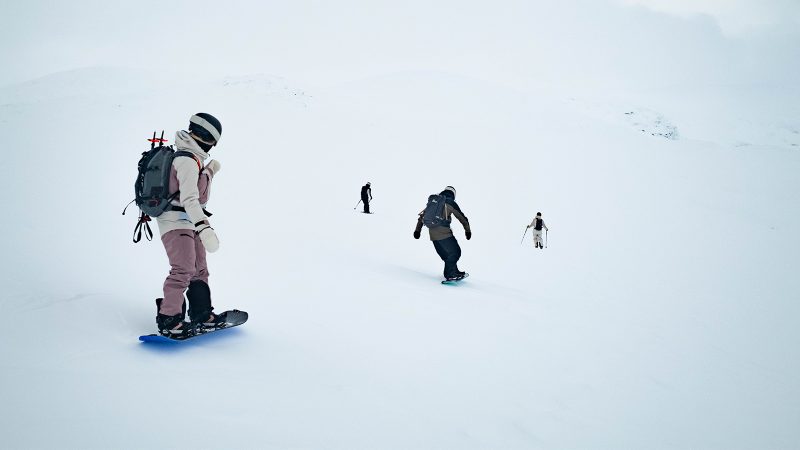
ThirtyTwo’s FW26/27 direction places unisex fit and rider individualism at the center, with the women’s team wearing freely across the entire line rather than being confined to gendered categories.
Female specific baggy design remains a point of leadership for L1. The Fairfield Cargo Pant – designed from the ground up by the women’s team – anchors the collection and evolves for FW26/27 into a full jacket-and-pant kit, including Brantley Mullins’ Burnt Rose colourway.
Elsewhere, brands are applying wider proportions to proven silhouettes rather than reinventing shapes. Horsefeathers Tomáš Koudela, Head of Marketing, reports strong momentum behind updated classics, with anoraks continuing to trend and pieces like the refreshed Sora jacket and boxy Neva jacket capturing modern proportions, while acknowledging “another strong trend: more and more girls are buying men’s styles, turning a lot of the line into true unisex.”
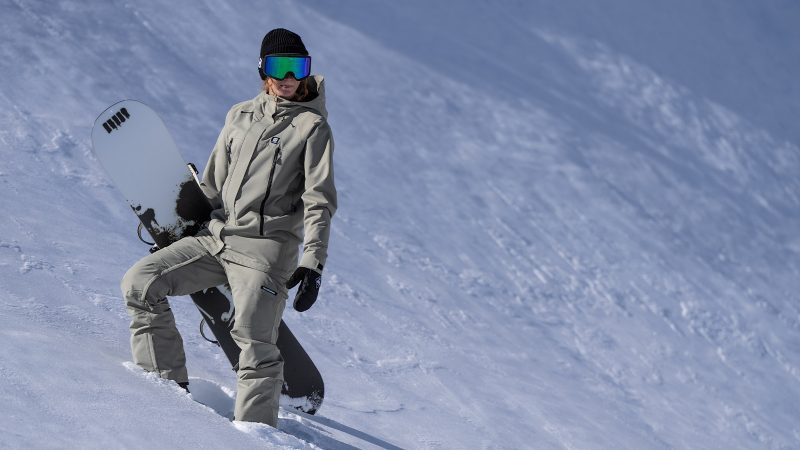
Rehall reflects the diversity of the women’s market through two contrasting directions: a fashion-ski line with Western-inspired details such as fringes and lace-up fronts, and a separate baggy-fit collection built around oversized jackets and pants, states Designer, Dana Smits.
DC Snow enters FW26/27 following a full European-led reset, with design and development now based in France and a renewed focus on unisex silhouettes that move fluidly between mountain and city.
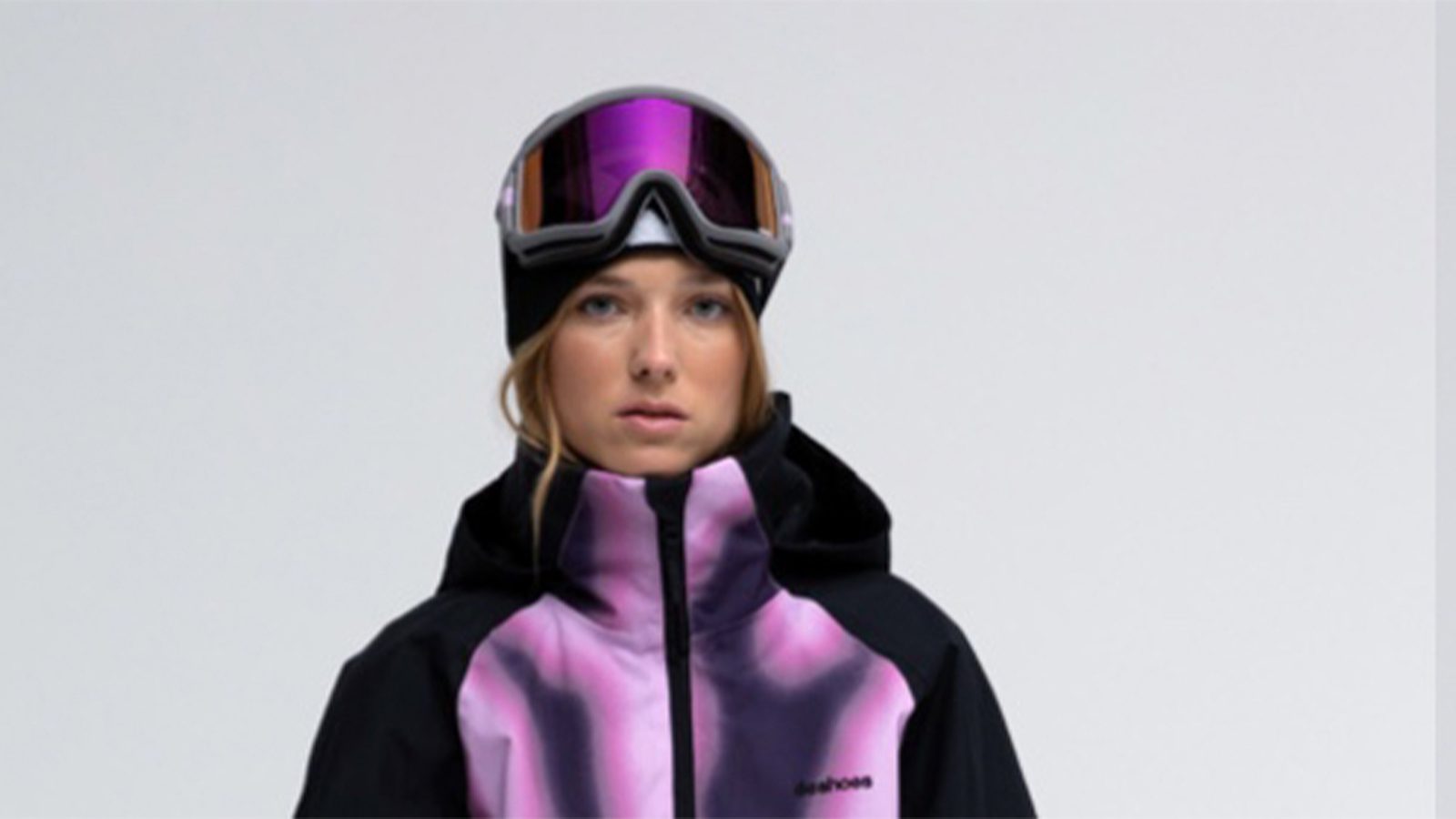
COLOURS & PRINTS
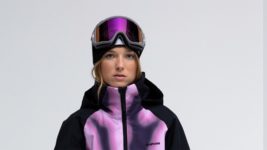
Colour increasingly works as a system rather than isolated accents. Burton leads with hero shades such as Moondust Purple in Reserve and Airstream Blue and Hot Tamale in [ak], supported by versatile prints including Nimbus, Crumple Dye, and Seersucker Camo. Atlantic Teal continues to perform as a dependable feminine solid.
Fashion influence is strongest at Protest, where corduroy – fully upgraded with 10K waterproofing – anchors the collection alongside stripes, velvet textures, and expressive detailing. These visual statements are balanced by technical pieces like the PRTRicci rib-structured jacket. Airblaster keeps colour playful but controlled, introducing tonal pastels and restrained prints. Leopard returns in wearable tonal executions, joined by softer watercolor options for riders seeking expression without overload.
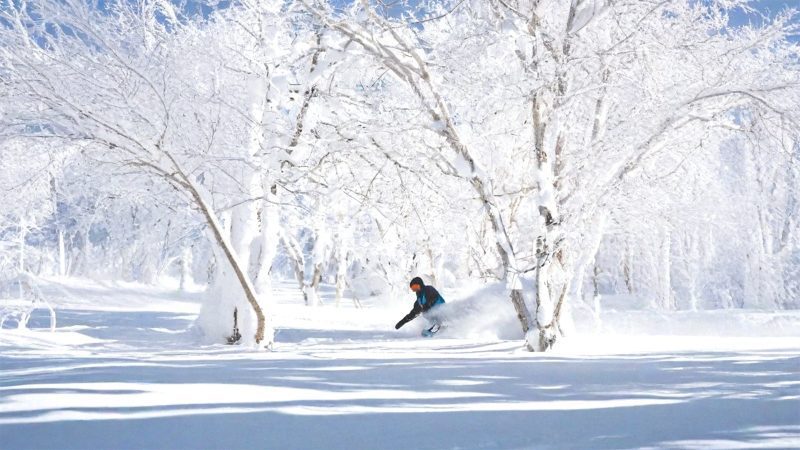
L1 blends rider signature colourways and jungle-inspired prints with a grounded palette of earthy tones and soft pastels, while Rojo revisits its art-led roots through washed hues that feel nostalgic yet current. Oxbow similarly draws from its archive, adapting seasonal colourways from classic jackets and introducing heritage shades such as pale lime, soft yellow, and dry rose, reinforced through vintage trims and old-school silicon badges.
HELLOID draws heavily from Japanese street culture, favoring solid colours, minimal palettes, and relaxed, dimensional cuts that translate seamlessly into unisex snowboard outerwear. Operating exclusively on a made-to-order basis, the brand avoids excess inventory entirely – prioritising core riders, longevity, and sustainability over trend-driven production cycles.
TECH & MATERIALS
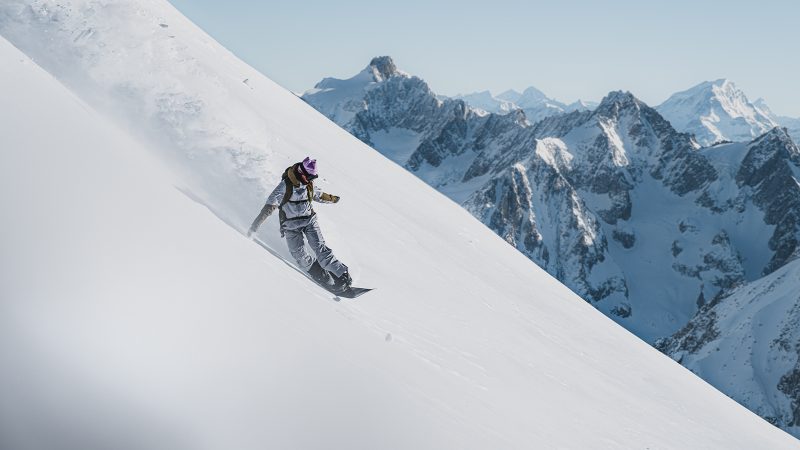
The focus has shifted to durability, comfort, and performance that holds up over time. Proven platforms continue to lead. Volcom builds on its core technologies – GORE-TEX waterproofing, Thermal Defense System (TDS), Zip Tech jacket-to-pant integration, and Face-Tech – now delivered entirely PFAS-free.
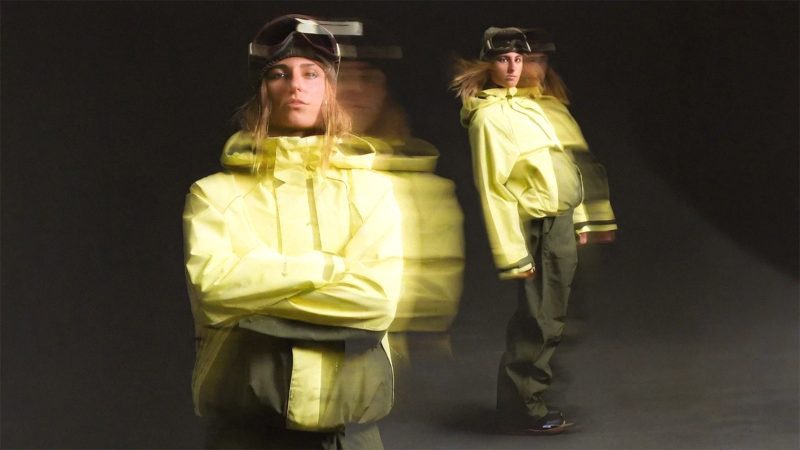
At Jones, technical storytelling is rooted in longevity. The women’s line benefits from the expanded Deeper, Further, and Higher outerwear program, integrating women’s-specific colours, sizing, and fits into advanced constructions. The introduction of GORE-TEX 2L ePE in Deeper Outerwear reduces environmental impact while maintaining guaranteed waterproofing, supported by Comfortemp® insulation made from post-consumer plastic bottles.
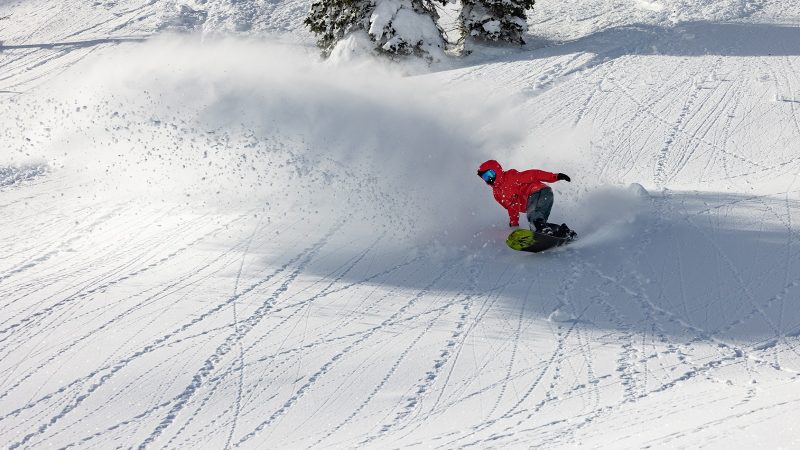
Material innovation is more focused at L1, where the women’s collection is anchored by Nova-X Pro™, a 3-layer shell combining 4-way stretch with a bamboo charcoal membrane for breathability and thermoregulation. All insulated styles use NovaLoft, the brand’s 100% recycled insulation, supporting performance without added complexity, says Bob Plumb, Global Marketing Manager.
Airblaster approaches tech through functional minimalism. The women’s BEAST Series uses 100% recycled outer fabrics with 30K/20K performance, introducing a new lightweight recycled ripstop for FW26/27 that balances durability with a refined feel. Development remains driven by rider testing and real-world use.
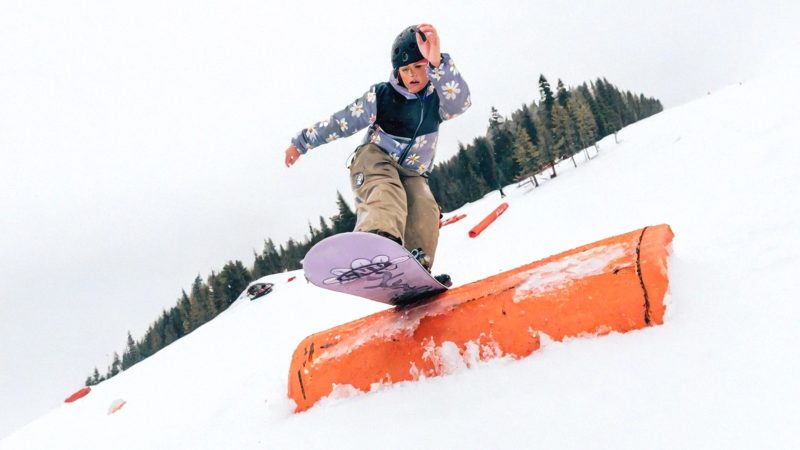
Forward delivers one of the most distinct material stories with XERO™, a proprietary membrane engineered to provide “absolute protection without compromise.” Offering uniform 20K/20K performance across the entire range, XERO™ is built from 100% recycled nylon and is completely PFAS-free, shifting focus from tiered specs to consistent functionality. Colourwear adds that freeride riders are increasingly looking for technical garments that support long days in unpredictable conditions, with performance and responsibility now expected to work hand in hand.
Elsewhere, continuity reinforces credibility. Horsefeathers continues to rely on its proven Ultratech fabric with PrimaLoft insulation in premium styles, while Rehall maintains its signature 20K/20K recycled polyester across both regular and baggy-fit women’s collections.
Overall, FW26/27 technical direction prioritises reliability over novelty. Performance is expected, durability is scrutinised, and innovation is valued when it improves comfort, movement, and protection over time – not just on the hangtag.
SUSTAINABILITY
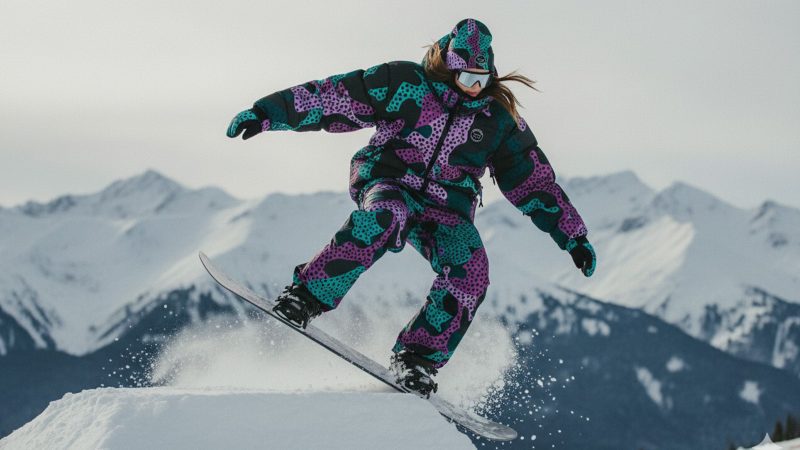
Sustainability in women’s snowboard outerwear for FW26/27 is no longer positioned as a differentiator – it is a baseline expectation that must coexist with durability, performance, and long product life.
At the top end of the market, comprehensive material and system-level changes are becoming standard. Burton continues to set a high benchmark, with all fabrics now 100% bluesign® approved, all [ak] outerwear PFAS-free, and the full [ak] line transitioned to GORE-TEX ePE membranes. These upgrades are reinforced by the elimination of single-use plastics in softgoods packaging and supported by lifetime warranty, repair, and reuse programs designed to keep products in circulation longer.
A similarly holistic mindset defines Jones’ sustainability strategy. All outerwear is built from recycled materials, including recycled 750+ fill RENU down in select insulated styles. PFAS-free fabrics, PFC-free DWRs, and sourcing from OEKO-TEX® and bluesign® certified mills are paired with lifetime guarantees and EU-based repair partnerships, reinforcing long-term product responsibility beyond the point of sale.
Durability itself is increasingly framed as a sustainability strategy. Forward exemplifies this approach by switching entirely to 100% recycled nylon – a more durable but harder-to-source fibre intended to reduce replacement cycles over time. Its ReVolve program further extends responsibility through in-store repair support and end-of-life collection with select retail partners.
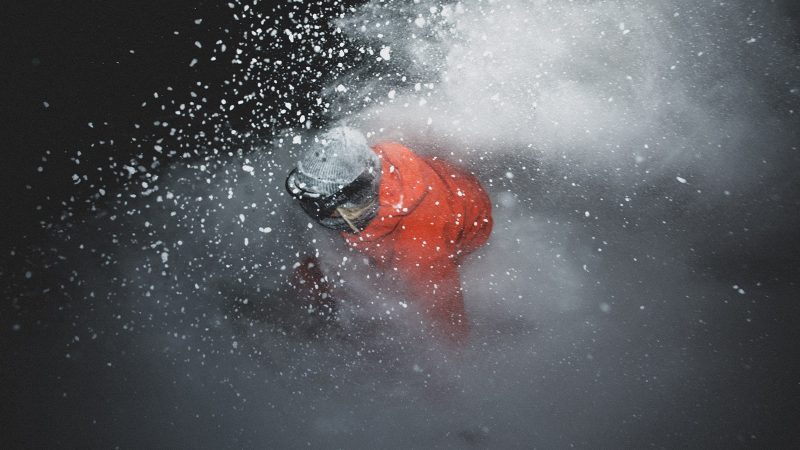
Manufacturing discipline also plays a key role. At L1, producing to order helps avoid overproduction and heavy discounting, keeping products out of landfills while preserving long-term value. Early adoption of PFC-free DWR and extensive use of recycled insulation underline a waste-averse, performance-first philosophy. Consumer behaviour works as a sustainability lever, says Finn Schottenius, Head of Colourwear, noting that clearer product communication helps reduce over-ordering and returns, lowering environmental impact alongside increased use of more sustainable fabrics and trims.
norrona
Elsewhere, sustainability is embedded into brand DNA rather than isolated initiatives. Rojo advances its Positive Change Initiative through OEKO-TEX® certified materials, plant-based PFC-free waterproofing, and fewer, more intentional seasonal pieces – moving deliberately away from fast-cycle trend consumption.
Across FW26/27, the message is consistent: PFAS-free chemistry is now standard, recycled materials span all price tiers, durability remains the primary environmental win, and transparency around repair, reuse, and end-of-life responsibility is increasingly expected. For retailers, this translates into more informed consumer conversations—and greater trust when sustainability is communicated clearly rather than overstated.
KIDS OUTERWEAR
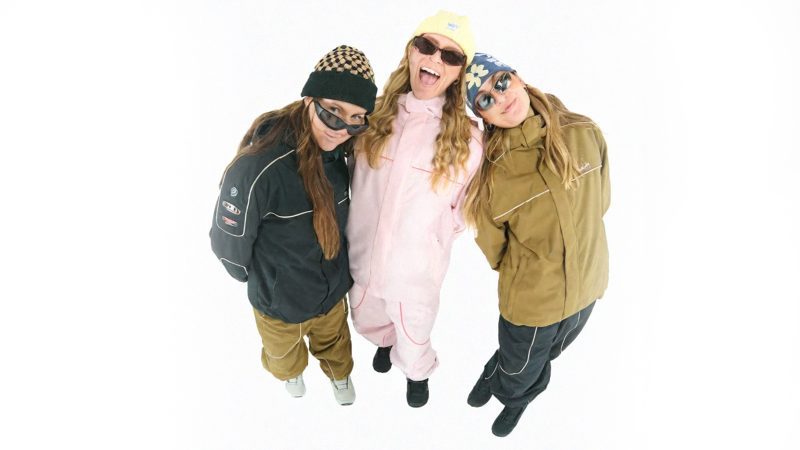
Many female riders are also mothers, looking for kids gear that simplifies daily routines, lasts more than one season, and keeps kids comfortable outside.
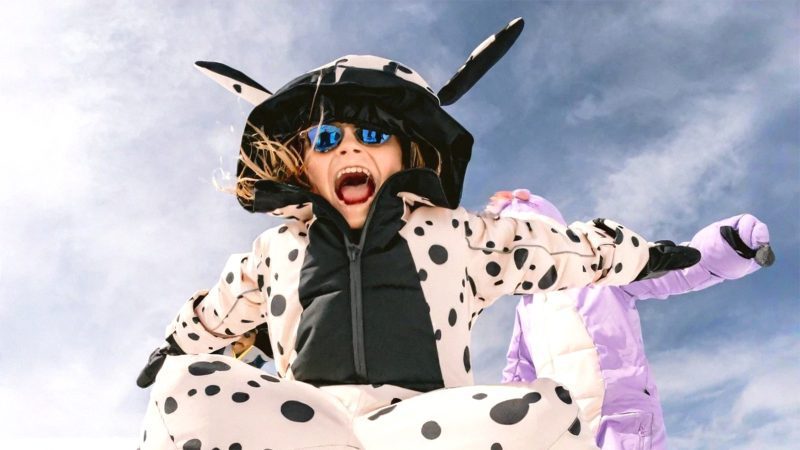
Roarsome approaches kids’ outerwear through imagination-led design, using character storytelling to turn dressing for winter into part of the experience. Their range spans full winter systems and is supported by strong sustainability credentials, with 90% of the collection made from recycled plastic.
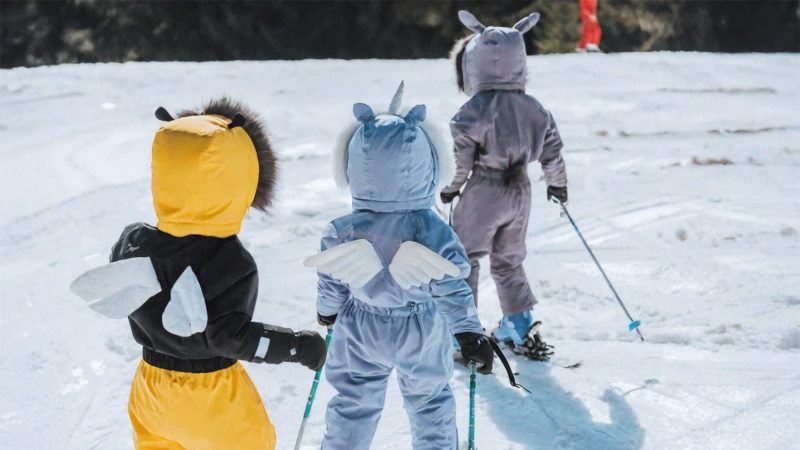
WeeDo focuses on longevity and practicality. Its grow system allows suits to adapt as children grow, extending product life and value. “Your child can wear it for a long time – and then even pass it on to their siblings,” the brand notes, supported by a commitment to textile-to-textile recycling.
OUTLOOK
FW26/27 positions women’s snowboard outerwear as one of the most confident and clearly defined segments in the market. Riders are no longer willing to compromise between performance, style, and identity, and brands that respect this balance are gaining momentum. For retailers, the opportunity lies in curated assortments that clearly communicate fit, purpose, and value across both women’s-specific and unisex options. Sustainability remains a baseline expectation, increasingly judged through durability and after-life solutions rather than marketing claims. Overall, FW26/27 is defined by refinement – supporting how women actually ride, live, and choose.
Brand Previews