





Snow Protection F/W 2026/27 Retail Buyer’s Guide
Rising safety awareness and rapid material innovation are transforming snowboarding protection into a lighter, more comfortable, and more sustainable category. By Rocio Enriquez.
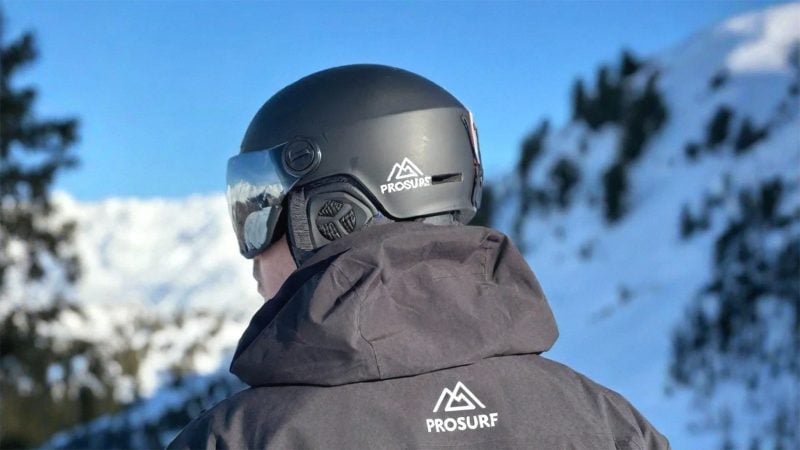
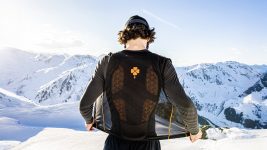
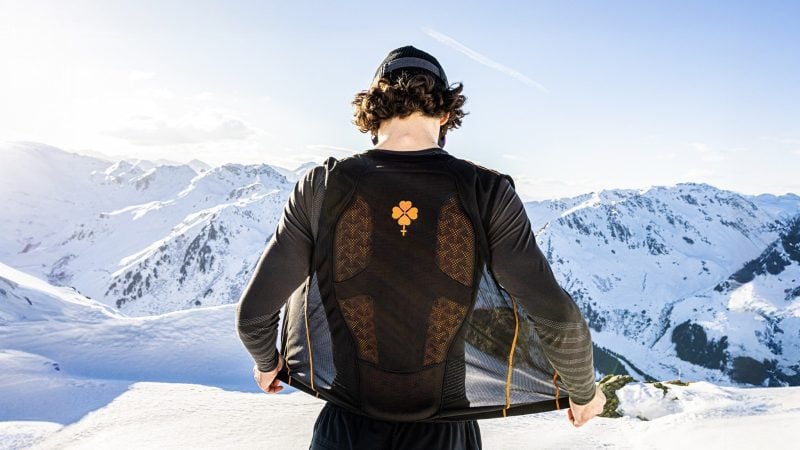
Text: Growing safety awareness in sports is driving growth of the protective equipment segment overall, and snowboarding gear is no exception. Innovation in materials and construction make protective gear easier to wear under clothing, encouraging riders to protect the body as much as the head. “Riders no longer settle for minimal coverage, they want complete confidence from neck to knees”, says Jorg Naaijkens from Demon United. Users are ready to spend more money on protection that is functional and discreet. Low-bulk and high-performance materials, like D3O or hybrid foams, and air-cushion technology, drive sales. Paired with breathability, adjustability, and slim profiles, they enable comfortable all-day wearing. Recycled materials and repairability strengthen consumer appeal. Back protectors topped last winter’s sales and are expected to do so again. In this category we find Amplifi’s Reactor Waistcoat, Xion’s Nosleeve Vest Freeride, Salomon’s Flexcell back protector, Prosurf’s new Ultra-Light D3O back protector, and the Air Back by RXR Protect. All these are expected to remain at the top of sales charts this winter. Clover’s version performed very well in sales too, along with their impact shorts, which they believe will claim the best-selling position this season. This category is the second best-selling one overall, except for Demon United, whose impact shorts led sales last winter. They expect to repeat the feat this winter with their FlexForce x V6 model.
FW26/27 Highlights.
New material technologies are expected to accelerate sales. We find plenty of improved foams and hybrid systems in next winter’s collections. Amplifi delivers the AEGI:S collection which combines a hybrid honeycomb geometry with a macromolecular compound, to exceed EAN Level 2 protection levels. “The macromolecular compound used in the AEGI:S protector employs DeCel braking, making it up to four times more effective than a similar TPE protector”, says Jens Hartmann, General Manager. Salomon uses Flexcell Pro and Prime for level 2 and level 1 protection respectively. They expect the Flexcell Pro in all men, women, and junior categories to show the strongest growth, as it combines the highest safety standards with optimal mobility and comfort.
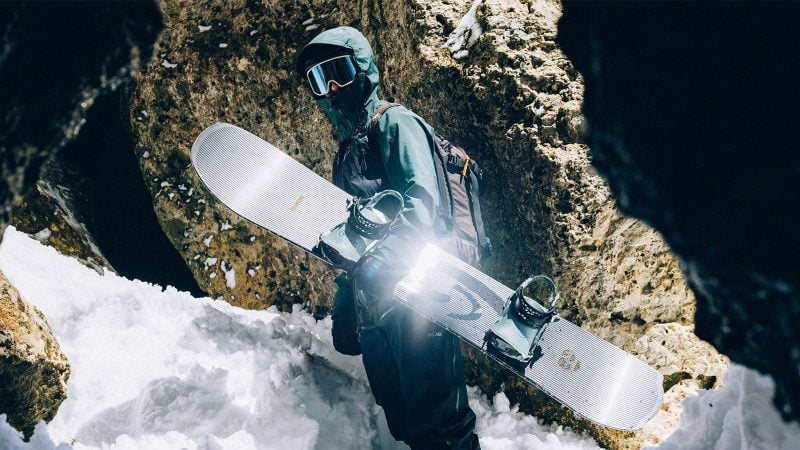
POC launches the VPD Max and VPD Air back protectors, with level 2 and level 1 certification respectively. Constructed with a viscoelastic compound in a honeycomb structure, they provide strength and protection while keeping weight as low as possible. “The new VPD Air and VPD Max vests are almost 15% lighter than the previous versions”, says Damian Phillips, Global Director of PR, Communication and Partnerships.
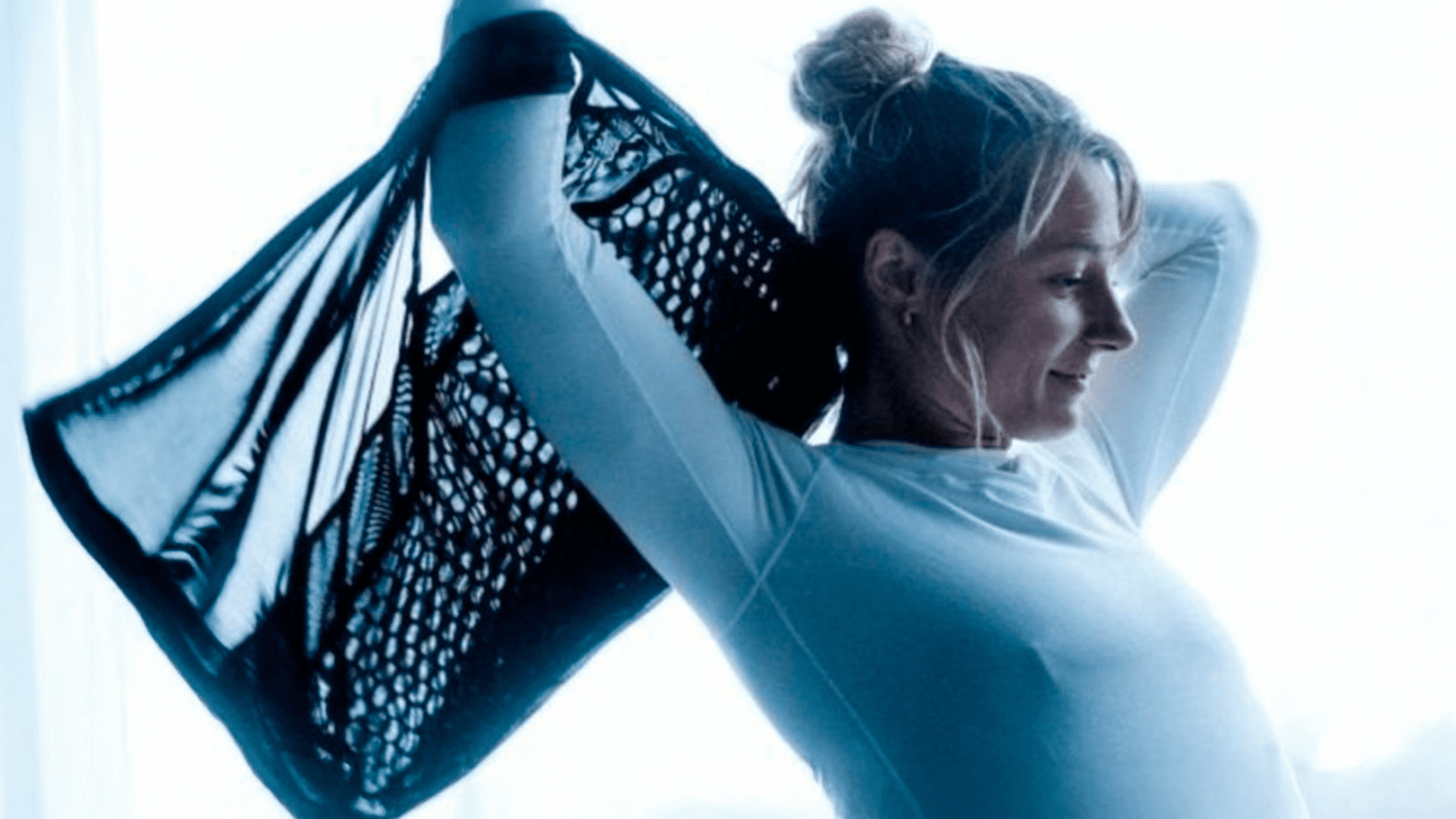
Clover focuses on advanced PU foams, updating the 3-in-1 arch system of their insoles and introducing new dual-density sidewall pads. They have great sales expectations from their 3-in-1 insoles thanks to the re-engineered triple-arch platform and optimised boot-fit mapping. Demon United blends D3O with Air Volt Impact Technology. This hybrid system combines the molecular absorption of D3O with Air Volt’s dynamic cushioning chambers for protection. They expect the strongest growth from their Demon X V7 Hybrid Impact Shorts featuring this technology. RXR Protect continues to focus on their air-cushion shock absorption. Prosurf pairs D3O with very light lycra, and Xion combines premium European-made fabrics with advanced D3O® technology. “We are planning to extend our range of coloured protection vests to our kids’ line, making safety gear more appealing and fun for younger riders”, says Björn Clausen, Xion’s CEO. Comfort remains critical in a product that relies heavily on wearing comfort, with brands refining airflow, fit, and temperature stability.
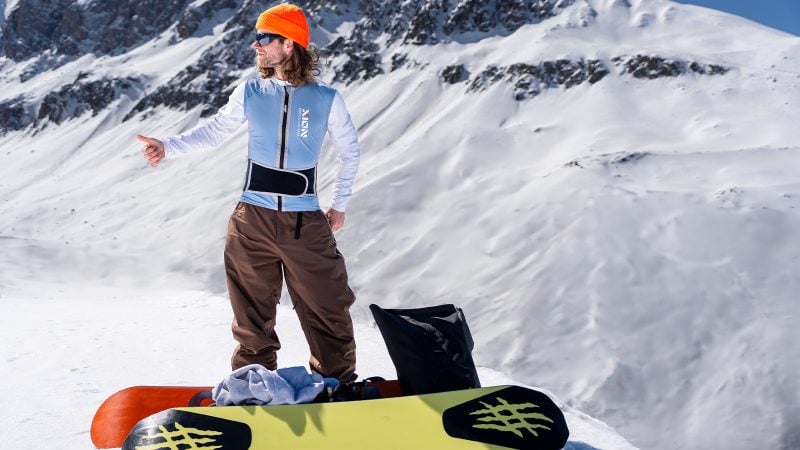
RXR Protect prioritises ergonomic, lightweight designs. Salomon uses Polartec® PowerDryTM for enhanced breathability and moisture management. “We introduce a new elastic strap system that allows users to adjust their vest quickly and precisely”, says Awena Jouannic, Protective Marketing Manager. Clover offers low-profile impact-damping zones, breathable mesh-compression structures, and a re-designed ergonomic fit. Amplifi’s hybrid material delivers significant weight savings and exceptional breathability. The material is also moisture and temperature resistant, keeping the protection level unaffected, no matter the conditions.
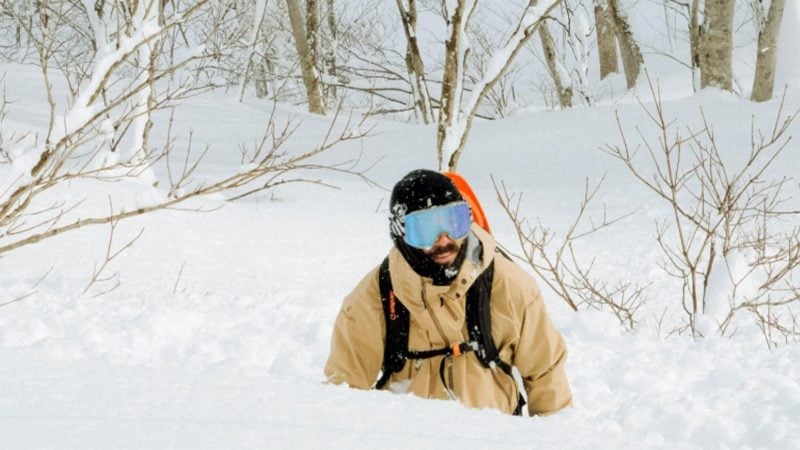
Xion expects strong demand for their Lite Vest series, combining comfort, style, and certified safety at accessible prices. POC’s new viscoelastic compound enables the development of a thinner back plate. The VPD Air vest sits at 10mm and the Max Vest at 13mm, making them not only discreet but also much more flexible. Back protectors still show the strongest growth potential, though impact shorts and limb protectors remain relevant. Multi-sport use and modularity add value. RXR Protect’s Air Shock Absorber is suitable for skiing, cycling, and motorcycling, and their Air Shock Absorber Protective Backpack merges storage with high-performance back protection. Prosurf has partnered with Recco. “We have signed a license with Recco, to place the system inside our back protector”, says Philippe Waldberg, Owner.
Sustainability.
The use of recycled materials appears across multiple brands. The Polartec® PowerDryTM in Salomon’s products is recycled, as well as the PET used in their mesh. They also strive to incorporate a higher percentage of recycled materials in their pads. Demon United opts for D3O RF Zero, the first recycled grade D3O material, as much as possible. Clover’s mono-materials simplify recycling. Amplifi’s AEGI:S protector tells a closed loop recycling story. Their protectors are built with recycled material. When they have finished their useful life, they can be returned to them, where they will be directly re-used to create brand new protectors. RXR Protect also implements recycling channels in their manufacturing facilities in France. Xion, who also incorporates recycled materials where possible, focuses on local production, with 90% of their production and supply chain, and 100% of fabric production and dying, in Europe. Reducing packaging and plastic is a common mission. Amplifi and Clover optimise their packaging, cutting down on what’s unnecessary. Prosurf has swapped plastic for a new sustainable cardboard. Manufacturing is aiming for durable constructions as much as possible. Amplifi and Clover implement repair services and yy using durable PU compounds, Clover extends the product’s life.
Retailer Support.
Marketing stories will focus mainly on messages about function, technology and sustainability. Salomon will highlight the use of recycled Polartec®, the improved comfort and protection of their new pads, and the new fastening system for enhanced ergonomics. Demon United draws from their history from the first impact shorts to today’s full body connected systems to spread a message of decades of expertise with cutting-edge materials and technology.
Prosurf will communicate about their two key licenses, with D3O and Recco. Staff training and customer education are crucial to carry these messages. Salomon has a dedicated training book and catalogue to provide retailers with detailed information about products and technologies. Clover offers staff training and develops a 1-minute product story for every SKU. Visual assets and POS displays allow the retailer to create a narrative around the products, in the store and on their online platforms. All brands provide these. A safe commercial environment with easy ordering and strong margins helps retailers’ investment in the brand. RXR Protect prohibits online sales outside of their official website, preventing price wars. Clover offers strong margin structures and low return rates. They also commit to a fast B2B fulfilment. Amplifi simplifies the ordering and re-ordering process and guarantees an easy processing of warranties and related issues. Many initiatives are aimed at letting the product speak for itself on the mountain. Xion invests in first-hand product experiences with the organisation of on-snow test events, where dealers can invite their customers to try out their products before purchasing them in-store. They also focus on elite athlete integration, including the two Olympian prospects Leon Ulbricht and Isabelle Lötscher. Prosurf joins the Sport Achat exhibition in Grenoble, while seeding influencers and sponsoring athletes. Clover is building a refined team of riders to support the Clover experience with high-value content.
Standout innovations in materials and construction are supporting the expansion of the snowboarding protective equipment segment. Sustainability efforts are reinforcing consumer confidence further. Snowboard protection looks well positioned for growth in FW26/27.
Brand Previews
