


Water Helmets 2026 Retail Buyer’s Guide
As the adoption of water helmets spreads with new disciplines, retailers face a conundrum: either stock multi-purpose lids or discipline-specific gear. Let us guide you through. By David Bianic
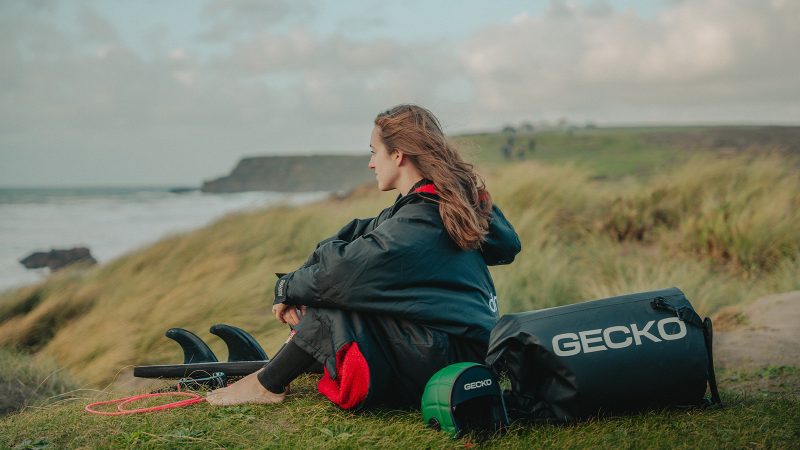
From “no-no” to “go-to” accessory, the water helmet experienced a not so uncommon trickle-down phenomenon. Historically hampered by a “culture of reluctance” regarding aesthetics, the adoption of head gear from elite riders transitioned to the John Does of action sports, turning the once niche safety accessory to a fundamental gear category for a broad spectrum of watersports.
Federico Infantino, Marketing & Team Manager at Gath, adds that “without a doubt, the helmet business reached an entirely new level in 2025.” Peter Hurst, Co-Founder of KNOK, reports a powerful signal for inventory planners: “The best surf retailers sold out 3 to 4 times during the Australian Summer.” This indicates that European retailers should view the category not as a peripheral add-on, but as a high-velocity turnover opportunity that may require aggressive pre-ordering.
Market Dynamics: The Rise of Foil and Surfing
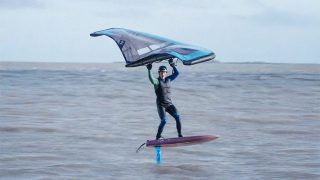
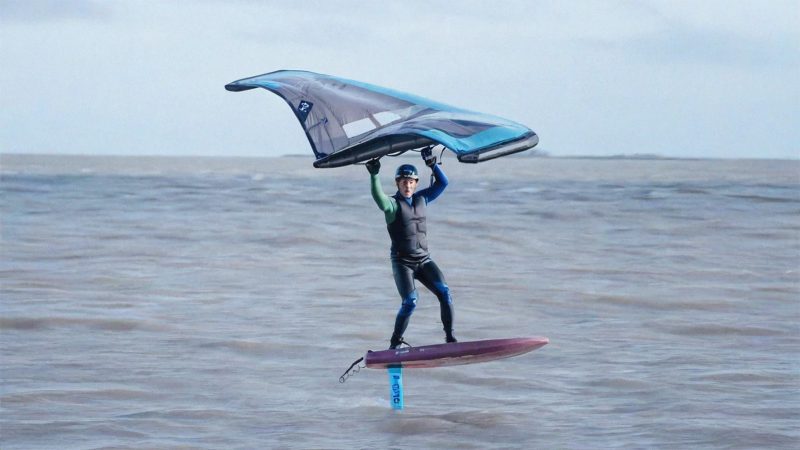
With the rise of high-speed sports like wing foiling, the primary hazard is no longer just the water surface; the added risk of high-speed crashes and contact with the foil makes helmet use a non-negotiable safety decision.
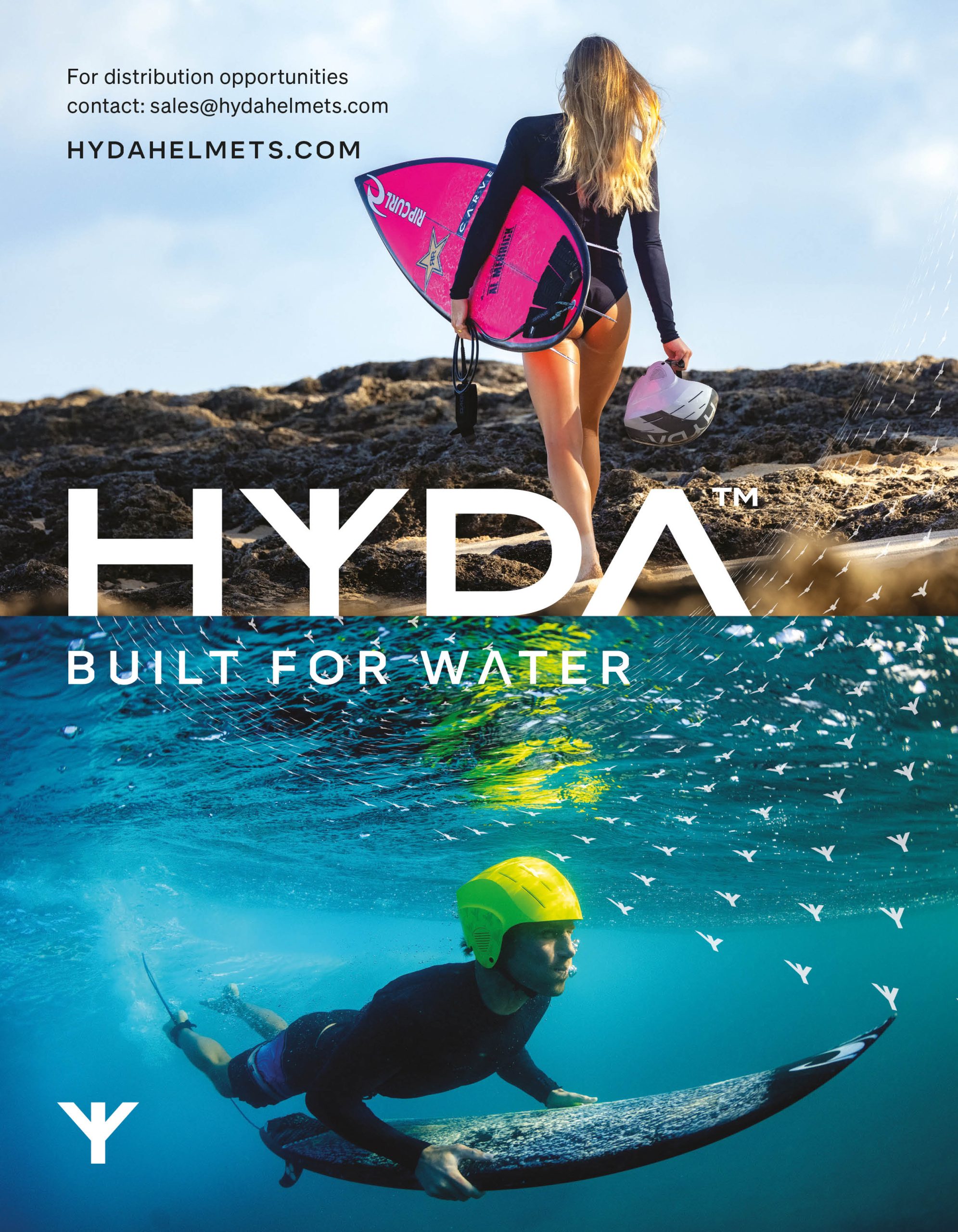
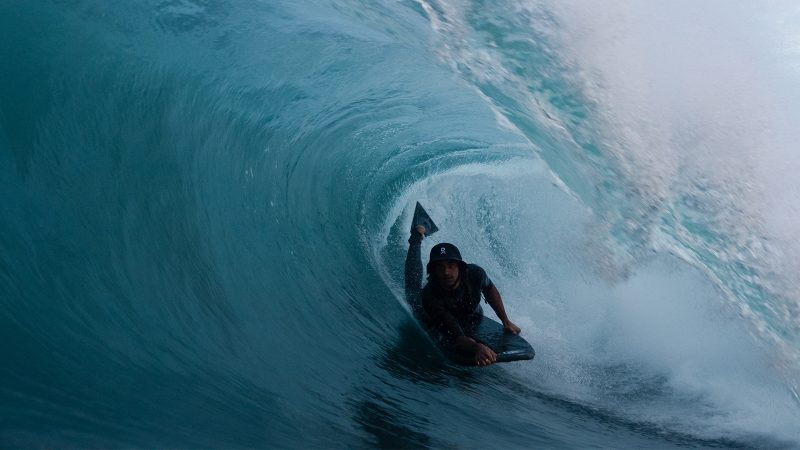
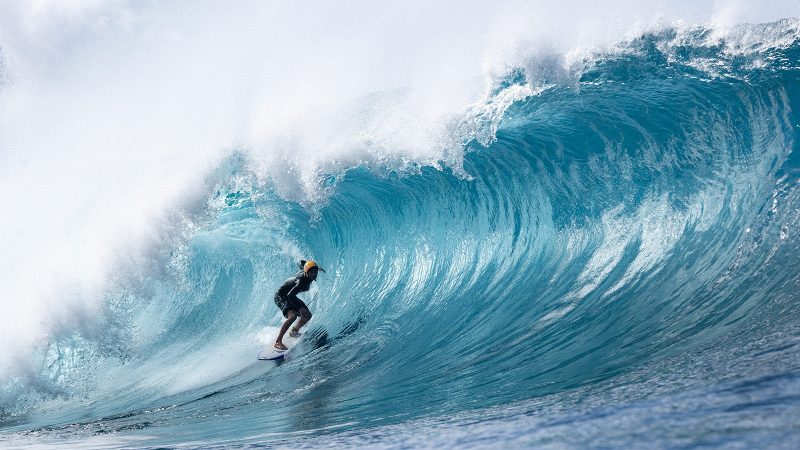
While surfing remains their primary driver, Greg Keeling of HYDA (formerly SIMBA) notes that “wave parks are perhaps the most significant structural driver,” as operators demand helmets to mitigate risks against hard pool bottoms and crowded lineups. Furthermore, professional visibility at heavy venues like Teahupo’o and Pipeline – where over half of the women and 20% of men on the WSL Championship Tour now opt for protection – creates a powerful “downstream effect on recreational surfers and groms who look to the tour for cultural cues”, adds Greg.
Demographics Evolution
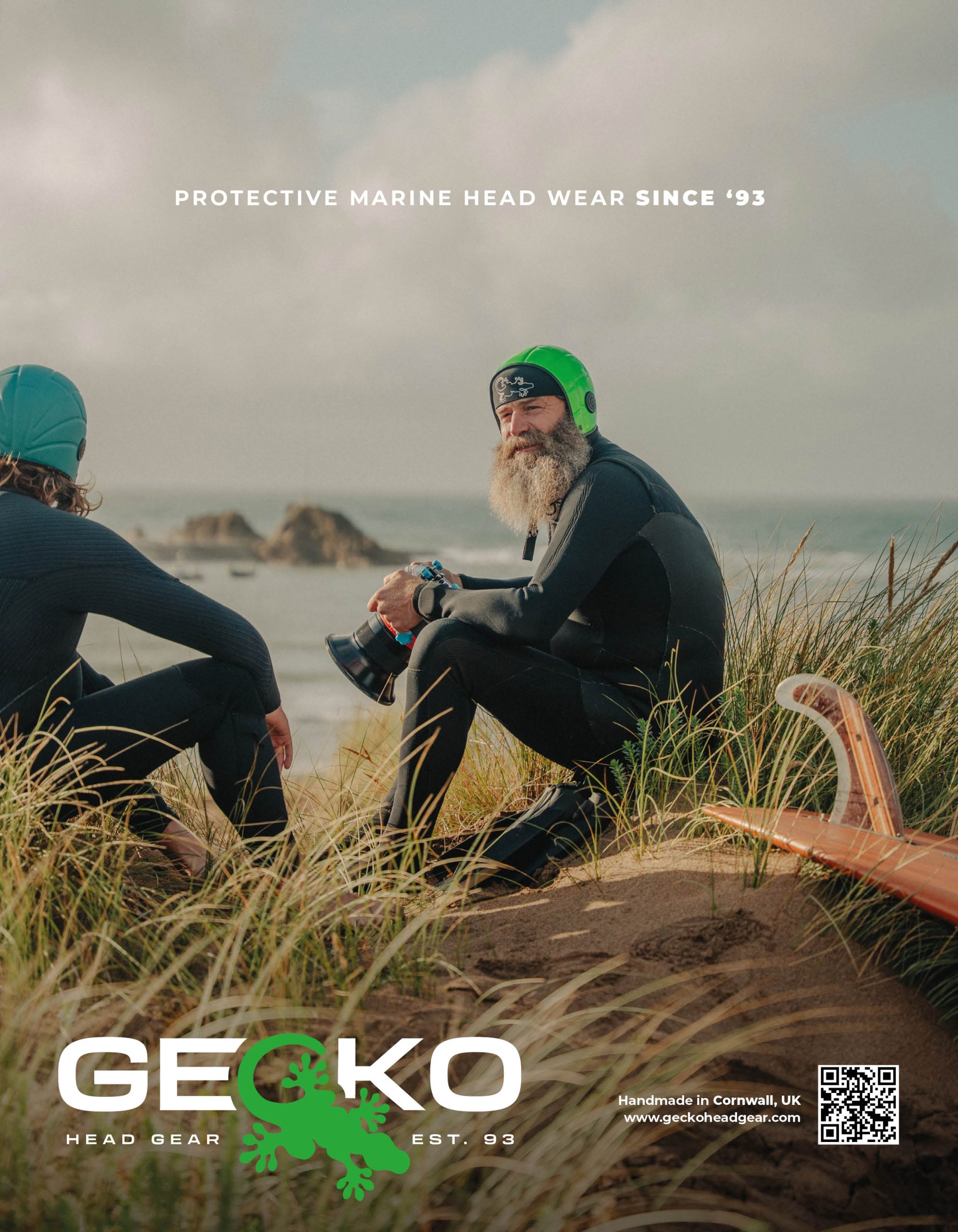
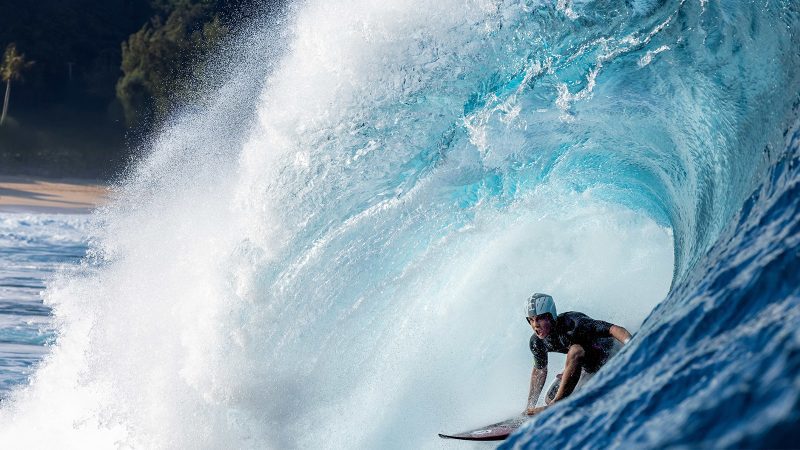
Historically, the market was split between high-risk professionals and older advocates. However, the demographic data indicates a significant broadening of the base. While Gecko observes their core demographic remains the “30-50 year old male,” new niches are emerging. KNOK has identified a high-growth segment in “older surfers who are more conscious of head knocks and skin cancers,” presenting a vital marketing USP: head protection is also sun protection.
The youth segment is also seeing a shift. Federico Infantino of Gath reports that “the 16-35 age group, historically the most unwilling, due to ‘style concerns,’ is now embracing helmets more than ever.” Additionally, there is a “noticeable increase” in children wearing helmets as standard equipment. This connects directly to product solutions like their Gath SFC, a favorite for juniors due to its availability in sizes down to XS.
Design Philosophies: Versatility vs. Specialisation
From a business perspective, retailers must weigh up the benefits of stocking multi-purpose gear against discipline-specific equipment. Brands like TSG favor a multi-purpose concept, particularly with the All Terrain helmet: “For retailers, this means reduced complexity in the assortment,” as the model carries “multiple certifications across [water, skate, bike, and snow] categories.” This allows a single SKU to address a wide range of use cases, reducing inventory overhead.
Conversely, legacy leaders like Gath and specialists like HYDA argue that true performance requires sport-specific engineering. While Gath has achieved dual-certification with the RGM (concrete and water sports), they maintain distinct designs (surfing and wipeouts, foiling and rescue operations). Retailers should adopt a “good-better-best” strategy: multi-sport certified units for generalists, and specialized, hydrodynamic shells for the dedicated surfing and foiling communities where performance is paramount.
Constructions: Hydrodynamics and Safety
A key innovation for 2026 is the application of the “Coanda Effect.” As defined by HYDA, this is a principle that “guides water flow smoothly around the helmet shell, reducing drag during duck dives, wipeouts, and hold-downs.”
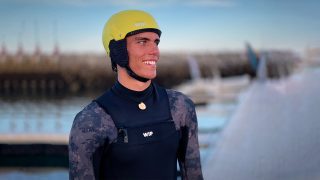
In kite and wing foiling, wipeouts can be violent enough to “rupture eardrums,” adds HYDA, making acoustically tuned ear protection a critical selling point for high-end models. Branded as the “Ultimate Big Wave Surf Helmet”, the WISURF Carbon model from WIP uses a prepreg laminated 8K carbon shell, combined with a multi impact EPP dampening liner, neoprene ear protectors membrane and a magnetic buckle for quick and safe release.
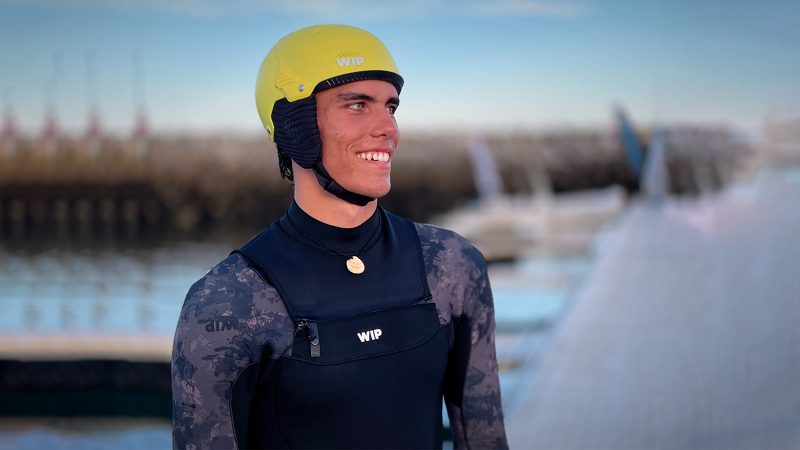
“Soft core” options also meet great success, they offer stylish alternatives for the “historically reluctant, such as WIP’s Cap and Bob Bump Shell uses innovative protection inspired by biomimicry : the shells mimic the “powder-filled form of scallop shells” for exceptional strength-to-weight performance. These are certified to the NF EN812 bump cap norm.
On that matter, retailers must educate consumers that “water-specific” certification (EN1385) is non-negotiable, claims Gecko, while addressing an often disregarded feature: comfort. “An inflatable liner is used to provide a more personalised fit for each wearer. It also helps with comfort in the water, including buoyancy and warmth,” says Emily Honey, Marketing.
This diverse range of products reflects an industry trajectory toward total head protection normalization, ensuring that in 2026, safety is no longer a trade-off for performance or style.
Brand Previews