



Sunscreen 2026 Retail Buyer’s Guide
Premium, mineral-led sunscreens gain ground as educated consumers demand proven sustainability and skincare performance. By Rocio Enriquez.
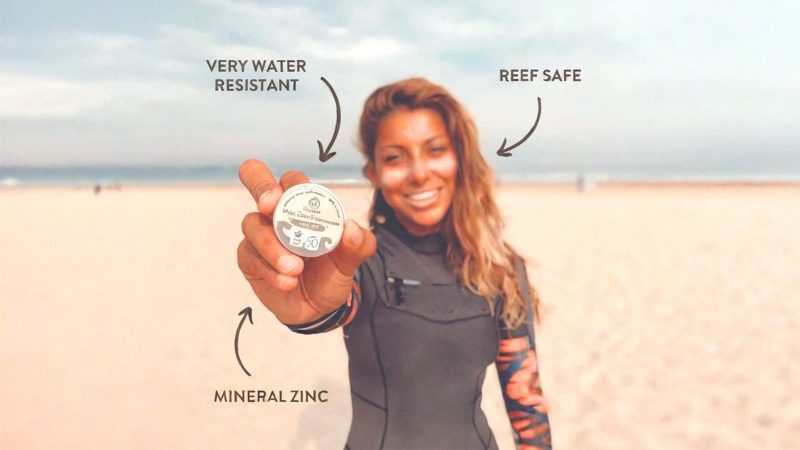
Last year saw growing demand for sunscreen products, driven by increased consumer awareness of skin damage and the need to protect it from daily UV exposure all year round. This same awareness is shifting attention towards premium formulas with ingredients that are healthy for the individual and for the planet. “People are educating themselves on the detriments of chemical sunscreens and actively seek alternatives”, observes Sun Zapper Eu Distributor, Maurice Chater. Mineral sunscreens are experiencing strong growth. Brands that cannot back sustainability claims are losing customers’ trust. Anyone can access a full breakdown and analysis of ingredients with just a click these days, and too many letdowns causes greenwashing fatigue. “Reef-friendly claims are only meaningful when supported by independent eco-toxicology data”, says SeventyOne Percent Co-Founder, Raphaël Vannier.
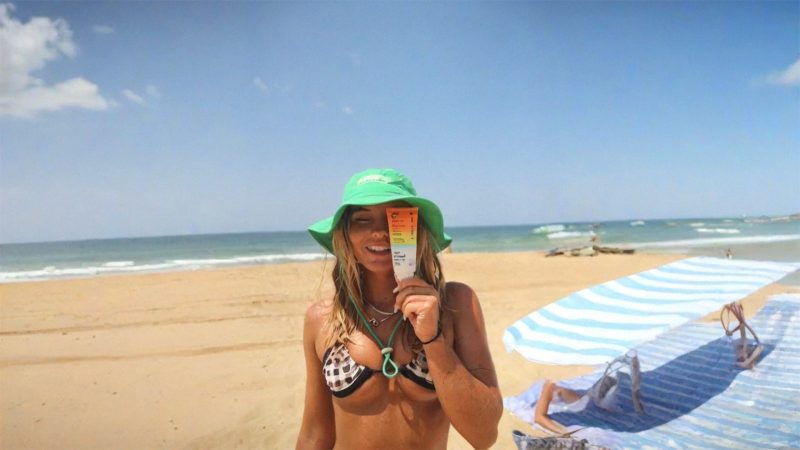
The brands that meet the expectations of these much more sophisticated consumers are expanding into broader retail channels, such as pharmacies and cosmetics retailers. Buyers are also rewarding multi-functional products that combine SPF with other benefits, so they can integrate daily-use UV protection into their skincare routine. Lightweight and invisible finishes perform well in sales. There is a demand for packaging formats that allow for easy carry-around and reapplication, such as sticks.

2026 Offering
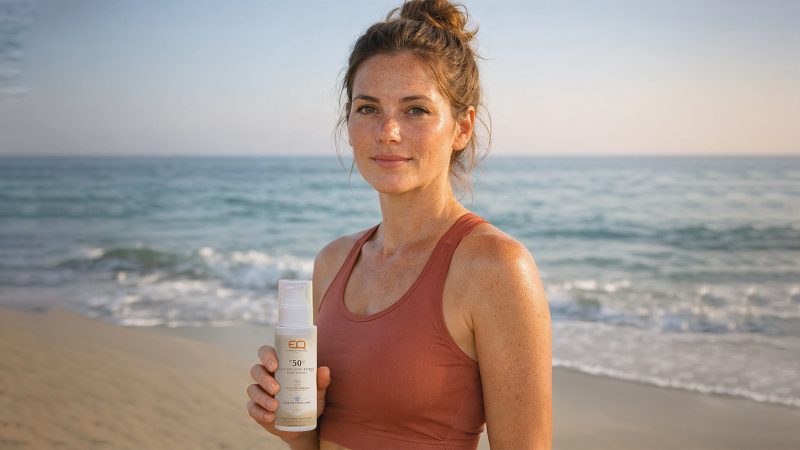
Texture is a critical innovation space this year. Improved textures, along with added skincare capabilities, allow for a broader product segmentation. Many formulas help minimise the white residue. We find this in Himaya, It’s On, and Suntribe. “In addition to our high-quality zinc-pastes, we now offer the zinc sun cream that absorbs well and leaves no white residue”, announces It’s On Marketing & Sales Manager, Mitch Raback. EQ Love releases a new tinted formulation. “Our new SPF50 tinted sunscreen is formulated with mineral filters and organic-certified ingredients, suitable not only for sports but for everyday use”, explains Marketing Manager Marina Abreu.
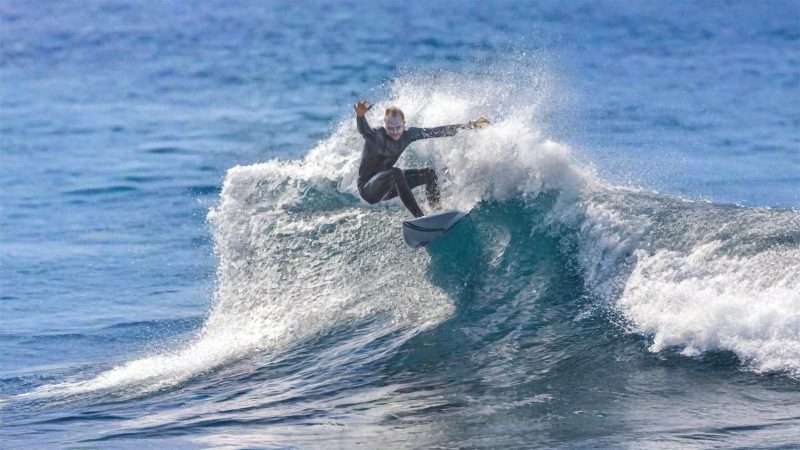
Himaya has focused their R&D on enhancing the rub-in properties of its cream, to help the end-user apply the correct amount to stay protected. Offering SPF with treatment benefits allows for crossover into skincare. This is achieved by adding very specific active skincare ingredients, targeting different needs. Hydration and skin nourishment rank highly across the ranges Aloe Up, EQ Love, SeventyOne Percent, It’s On, Suntribe, and Surf Stick Bell. Water and sweat resistance are paramount for active users. Wearing comfort is key – greasy, stinging, visible creams do not pass the user’s test. Gltzn, SeventyOne Percent, and Surf Stick Bell are very conscious about eye-burning.
Added active skincare ingredients also add value. EQ launches a baby and family formula, an innovation echoed by Sun Zapper. “Our new Pure Zinc renewed formula boasts 25% zinc content and comes in seven variants, including baby, anti-ageing, kids, acne, and mosquito-repellent”, announces Maurice Chater. Gltzn introduces a dermatological perspective with its “care, repair, and protect” system of reduced formulations. Suntribe has enhanced the cosmetic performance of its products overall, mainly through natural oils and butters.
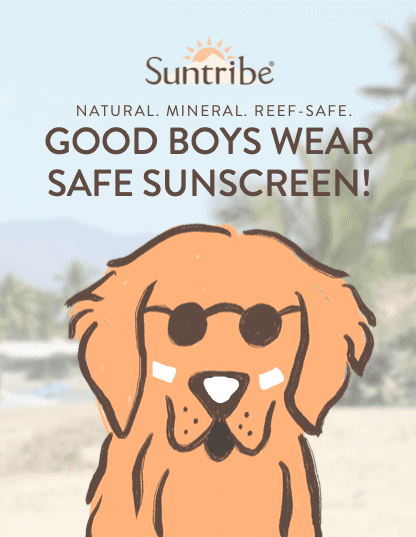
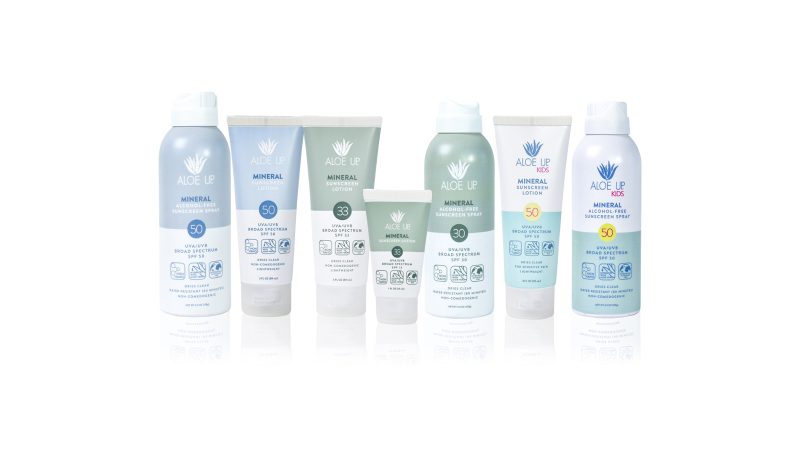
Ingredients are carefully selected to meet the skincare and sustainability consumer expectations. There is a strong reliance on zinc oxide across brands, ideally non-nano, making it an anchor ingredient in the industry. It tops the ingredients list of EQ Love, It’s On, Sun Zapper, Sun Bum, Sunda, Surf Stick Bell, and Suntribe. “We are introducing some of the highest performing mineral filters available today into our new formulas”, reveals Suntribe Founder Karl Roos. A “less but better” mindset is driving simplified formulations that deliver high functionality in natural and honest presentations. There is increased use of natural oils, botanicals, and antioxidants. Aloe Up’s formulation contains 35% of Aloe Vera.
Surf Stick Bell also uses aloe vera, alongside hyaluronic acid. It’s On adds lanolin and kaolin to their formula. Sunda combines the zinc oxide with thanaka, a traditional Burmese botanical ingredient. Suntribe bases its formulas on natural oils and butters. Chemicals are avoided, including those used for fragrance and colour. “Sun Bum Signature products use nano zinc and are fragrance-free”, says Brand Manager Francesca Essiflie-Dadson. Gltzn makes a similar commitment. “No fragrances, no colourants and no unnecessary additives”, explains Simon Schlagkamp. Aloe Up’s Sports range is also fragrance-free. SeventyOne Percent resolves the tension between natural formulations and high performance one by combining mineral and organic filters, to which they add botanicals and antioxidants. They use Roka Smart UV® photo-adaptive UVA organic filters.
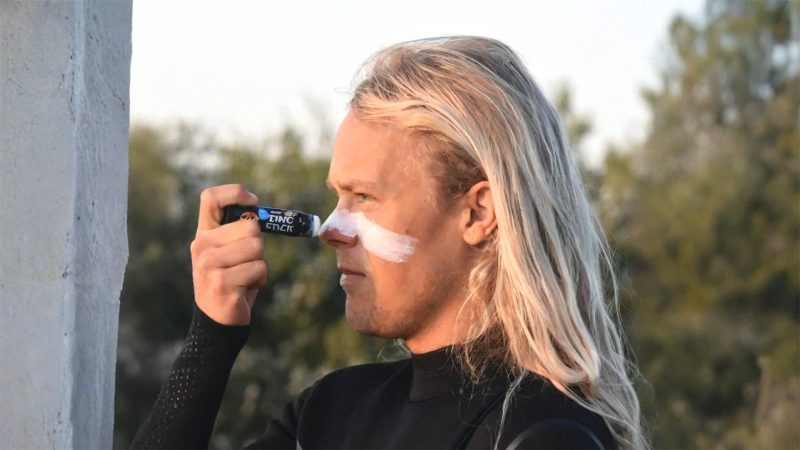
There is a lot of innovation in packaging and application formats too. We find new application systems such as air pumps, sticks, gels, or hybrid stick and lotion combinations. Himaya delivers their zinc in a stick, while Sun Zapper opts for air-pumps for their Pure Zinc range. SeventyOne Percent’s Sun Combo 2in1 combines their Coucou Sun facial lotion and the Invisible Sun stick in one product. Packaging is reusable, with several refill systems also available.

Sustainability
A more educated consumer is driving a shift from claims to proof of sustainability in sunscreen production. Superficial eco claims are costing the trust of increasingly sceptical buyers. Formulations focus on being reef-safe, avoiding harmful chemicals and microplastics. Eco-toxicology validation – which certifies that environmental toxicity data is compliant with regulatory standards – is emerging as an important purchase factor. “We work under strict Cosmos Organic and Ecocert certifications”, says Marina Abreu. “Our Sun Bum Signature products are Hawaii Act 104 compliant”, states Francesca Essiflie-Dadson. SeventyOne Percent runs independent eco-toxicology tests. This must be supported by sustainable packaging and application formats to remain credible. There is increased use of recycled materials, or mono-material packaging that is easier to recycle. It’s On and Sun Bum use post-consumer, recycled materials.
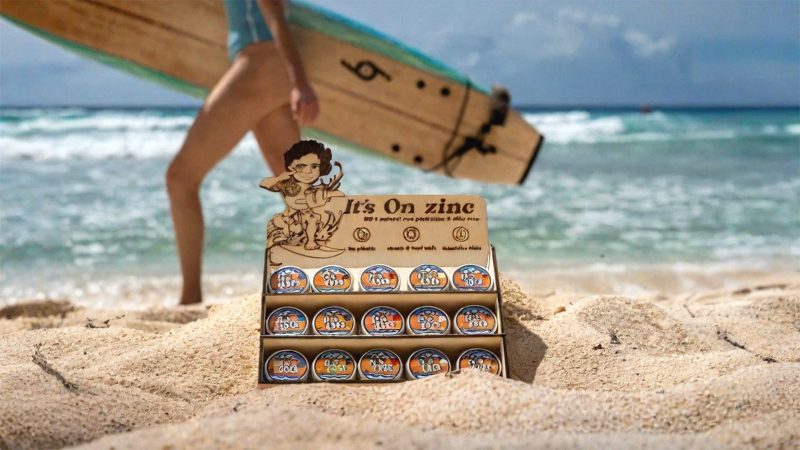
EQ Love, Suntribe, Sunda, and Surf Stick Bell use recyclable materials, like cardboard. SeventyOne Percent applies “the 3-R approach” to their packaging, which consists of reducing, recycling, and reusing. Reuse formats and refill systems are very popular too. Himaya offers a refillable silicone tube with a free 10ml tin to promote a “refill” mindset. “We reject bioplastic tubes because most end up in landfills, where they produce methane. Refilling is 100% better than landfilling”, asserts Stuart Knowles. A welcome addition to the sustainability profile is local production, as it reduces the transport impact. Sunda produces in the southwest of France, close to their local community of French Basque watermen.

Retailer Support
New-generation sunscreens offer clear benefits for retailers stocking this category. The mineral base and clean formulation meet the strongest current consumer demand, differentiating these brands from mass-market chemical ones. The new refill systems promote repeat purchases, building customer loyalty. Daily-use SPF integration into skincare routines adds value to the purchase. Considering the high margins that this product category offers, sunscreens are perfect to help position a store as a premium product supplier.
Brands help with the right marketing approach. With the current buyer mindset, credibility has become central to marketing activation. Education is becoming a core conversion tool. Clear communication about ingredients, their benefits and usage, builds consumer trust. “We ask the question ‘what’s in your sunscreen?’ to start the conversation about what we actually put on our bodies”, explains Karl Roos. Campaigns are community-driven, relying on ambassadors, athletes, and micro-influencers. “We have built a community of people who actively care for their skin, we call them creamers”, says Simon Schlagkamp from Gltzn. In-store activation and demo events are increasing to cater for a preference for experiential marketing over the more traditional advertising.
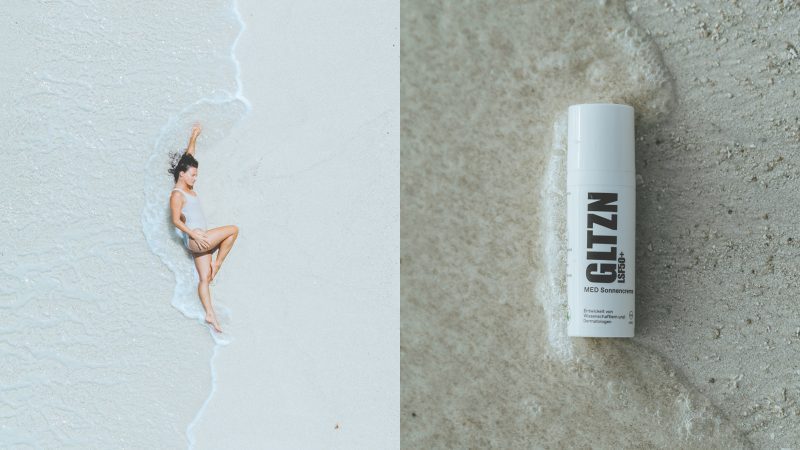
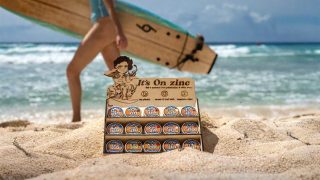
In-store, these marketing guidelines are supported with eco-designed displays made of recyclable materials, and testers and other demo tools. Himaya, EQ Love, It’s On, Sunda, and Suntribe offer displays made of wood and cardboard. Surf Stick Bell, SeventyOne Percent, EQ Love, and Gltzn provide testers to their retailers. Gltzn has a mobile cream dispenser for direct trial in-store or at events. Educational materials are available for staff training and consumer information, both in-store and in the digital sphere.
Sunscreen is consolidating its position as a high-value, year-round category. Through their scrutiny, well-informed customers have driven reformulations and important innovations in every aspect of production. Mineral formulations, simplified ingredient lists, and verified sustainability credentials are no longer differentiators but baseline expectations. Brands that combine credible eco-performance with cosmetic sophistication, multifunctionality, and practical formats are best positioned to capture demand. Retailers will benefit from strong margins, repeat purchase dynamics, and a premium positioning.
Brand Previews