






Surfboards 2026 Retail Buyer’s Guide
From hyper-niche to slightly more versatile designs, the 2026 surfboard landscape leans towards a more grounded approach from the everyday surfers. Let’s dig in the particulars of the many quiver options. By David Bianic.
While headlines tout a 25% surge in surfing participation since 2018 (Global Surfing Industry Trends Analysis Report 2025), the reality on the retail floor has been everything but a continuous vertical climb. “It’s fair to say there was a major ‘market correction’ and hangover after the bubble of the Covid boom years ended,” says Sander Blauw, Sales & Marketing at NSP. This sentiment is echoed by major players who observed that “the initial impact was very volume-driven… what we’re seeing now, though, is a second phase: those surfers are progressing,” explains Susan Marks, Sales at Chilli Surfboards.
This maturation has created a split market where established shapers must distinguish themselves from a sea of generic imports. “Nowadays, running a surfboard brand can be more like running a souvenir t-shirt brand: you design a logo, someone in China produces the boards, and no hands-on knowledge of shaping or production is required,” warn Johnny and Kelli Cabianca, owners of Cabianca Surfboards. While many feared a massive shift to D2C models, 2026 has proven that “the retail net is just not as it used to be,” according to Andy Wirtz, CEO of Norden Surfboards, but he believes “a retail shop with a strong physical presence combined with a good webshop still has a chance and will be important in the future”. Brands are finding that high-value conversions still require expert advice. This specialised approach balances the digital surge. “Online and D2C channels are growing steadily, but they still represent a smaller portion… most surfers still value the in-store experience,” notes Susan Marks at Chilli.
In the wholesale arena, the segmentation is becoming clearer. “Our sales are split roughly 65% wholesale accounts and 35% retail (B2C). Within B2C, about 80% of sales come from stock boards,” clarifies Brandon Sanchez, head of Marketing and Operations at Euroglass. This 80/20 stock-to-custom split is a standard for mass-production houses, yet it contrasts sharply with high-performance boutiques. “When we work in a more high-performance market, 90% of our production consists of custom orders,” states Nuno Viegas, Surfboard Designer/Owner at eNVy SurfBoards. To stabilize this flux, many brands have adopted a “pre-book” model, which Pete Saari, Co-Founder of Lib Tech Surfboards, says gives “visibility and stability” to both manufacturers and retailers.
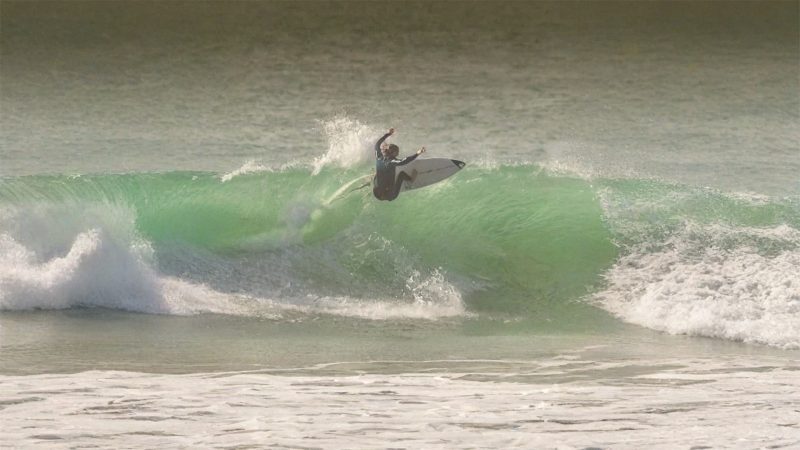
Newbies: From Foamies to Fiber
The “graduation” from softboards to hardboards has become the most critical milestone in a customer’s lifecycle. “If people keep surfing, they’ll eventually want a regular hard surfboard,” notes Nick Uricchio, co-owner and shaper at Semente Surfboards. The challenge lies in luring them away from the perceived safety of foam. To facilitate this, brands are emphasizing “friendly tech” constructions that mirror the durability of softboards while unlocking performance. “Our unique Eco Impacto II construction matches the carefree ding free experience softboards bring but at the same time offers high performance,” claims Pete Saari of Lib Tech.
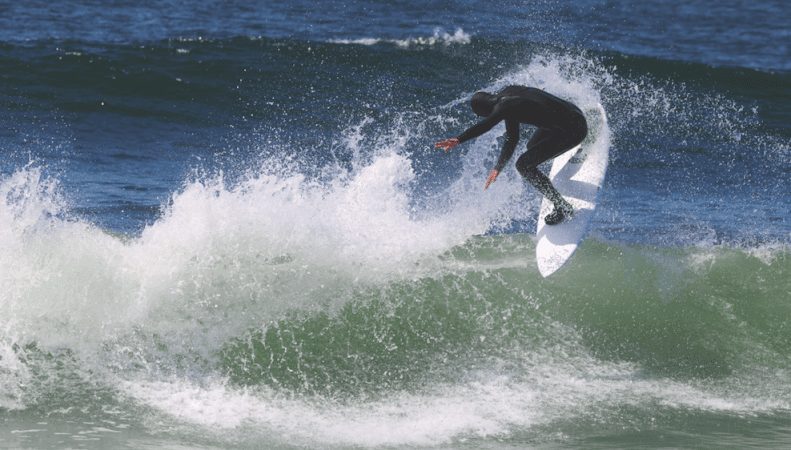
This design philosophy focuses on making the transition “fairly quickly” through hybrid shapes, says Brandon Sanchez at Euroglass: “After catching their first waves on softboards, they often want to move to the next step… we focus on more accessible hybrid designs, such as mini-malibu inspired shapes.” Leading this charge are transition tools like the Grace Demibu (Euroglass) and the NSP Volume Range.
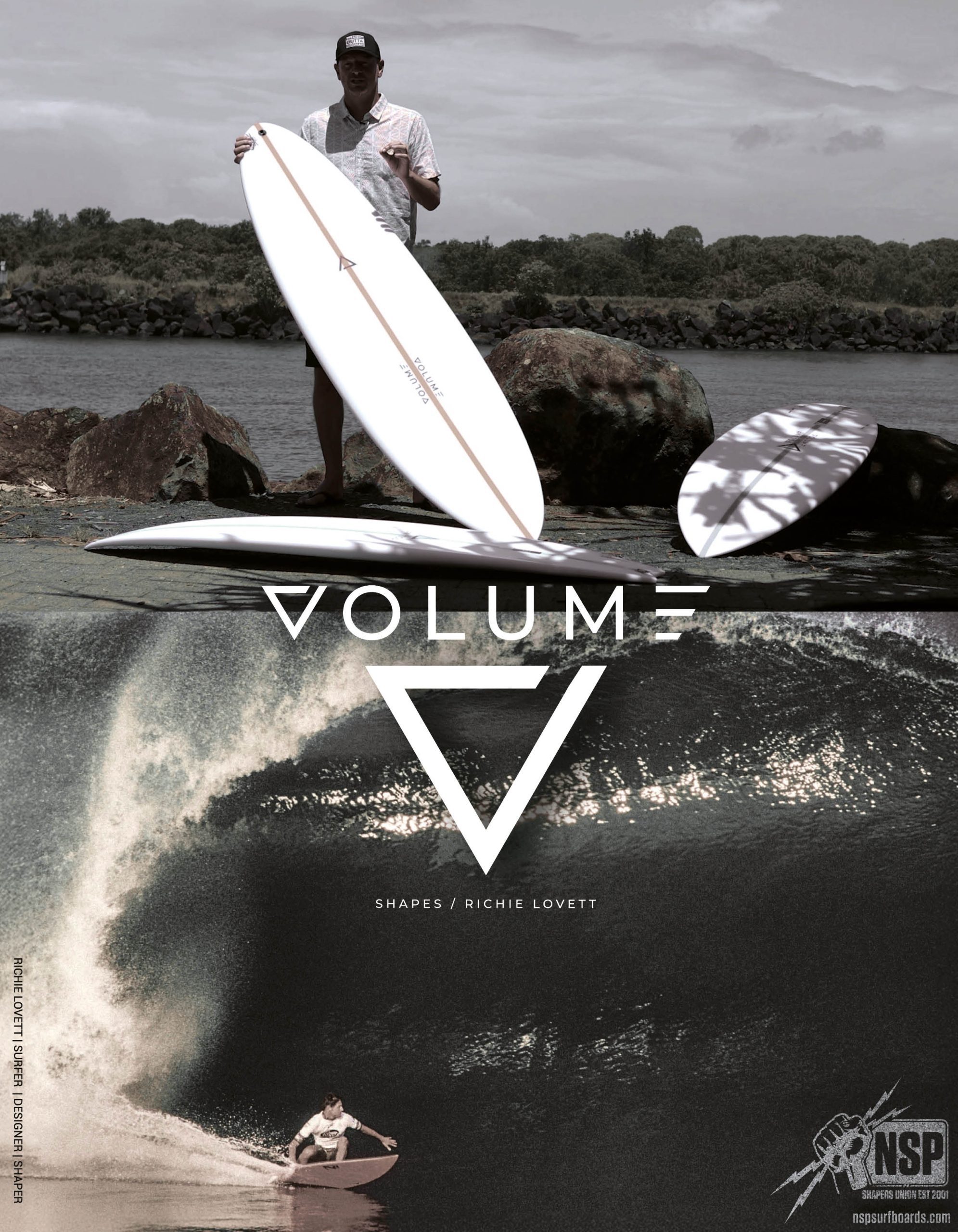
The Demibu acts as a modern mini-malibu – stable, forgiving, and designed for pure progression – while the NSP Volume range, a collaboration with Richie Lovett, utilises refined volume distribution to make surfing “easier, more fun, and rewarding for everyday surfers.” These boards are engineered to capture the massive cohort of post-pandemic surfers currently ready to trade their foamies for the real deal.
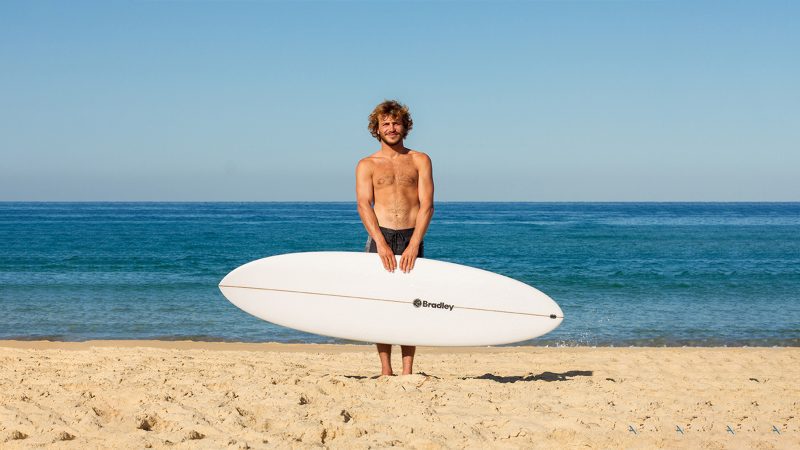
2026 Trending Designs
According to most, versatility has officially dethroned niche specialisation as the modern surfer is looking for a “one-board quiver” that can handle anything from gutless beach breaks to overhead pointbreaks. “In 2026 the most sought-after designs are probably twin fins across different types of waves, along with variations of quads,” observes Nick Uricchio at Semente Surfboards. A prime example is their Kabuloza: unlike traditional twin fins, its refined foil, parallel plan shape, and specialised four-channel tail are for fast, tubular waves.
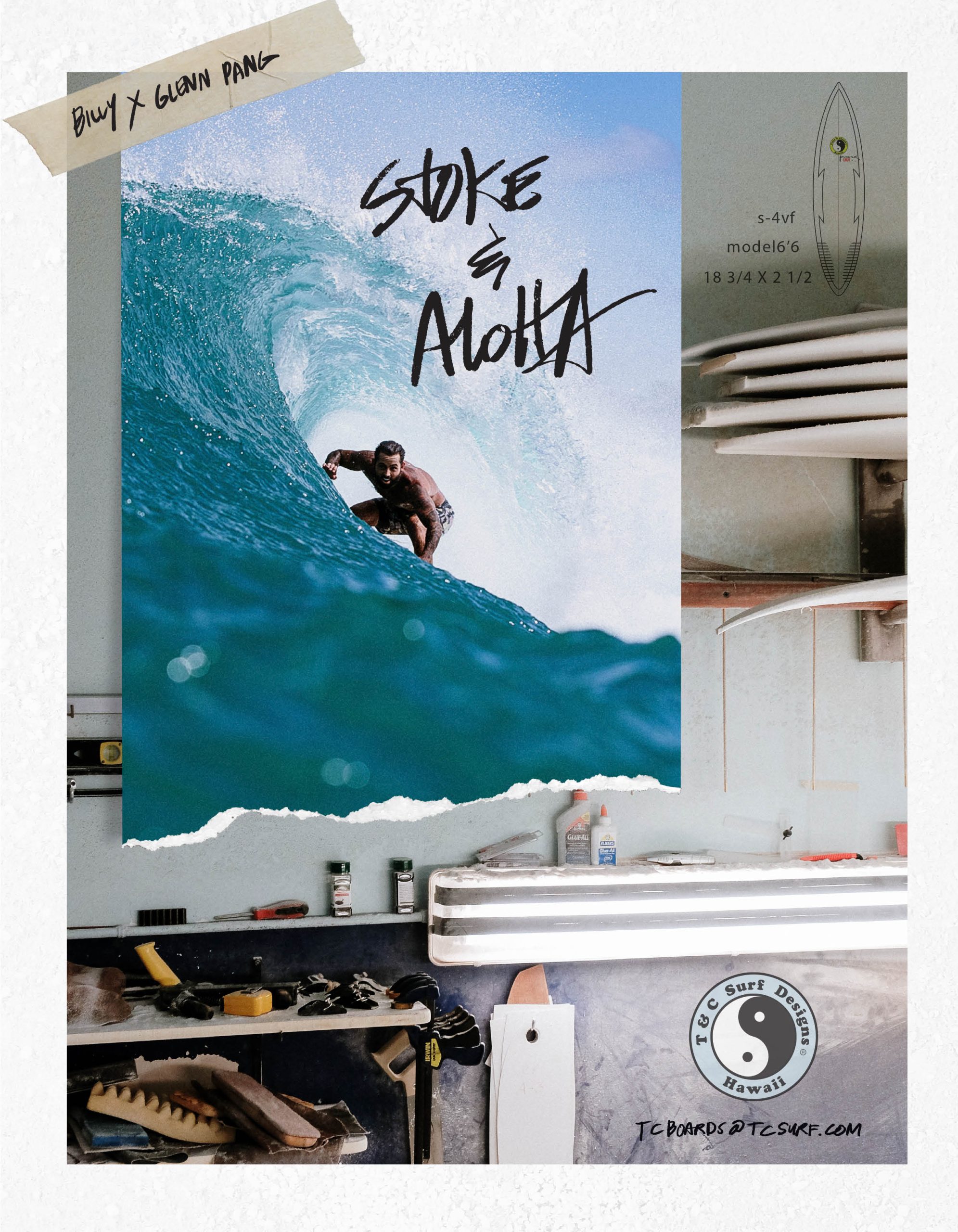
Same program with one the best-selling boards from Town & Country Surf Designs, Glenn Pang’s Nomad. Built for speed and tight turns, it features a slight wing and a round tail to perform in waves from 1m to 2.0m. “Glenn added a rocker to allow for later and steeper drops while maintaining drive and control in hollow sections.”
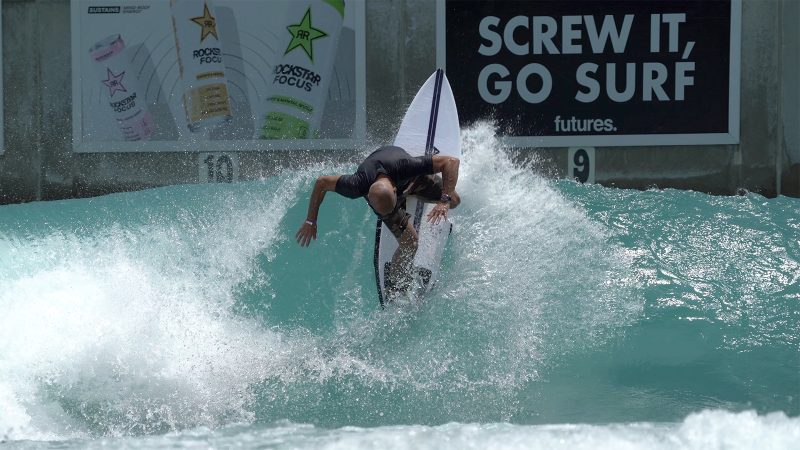
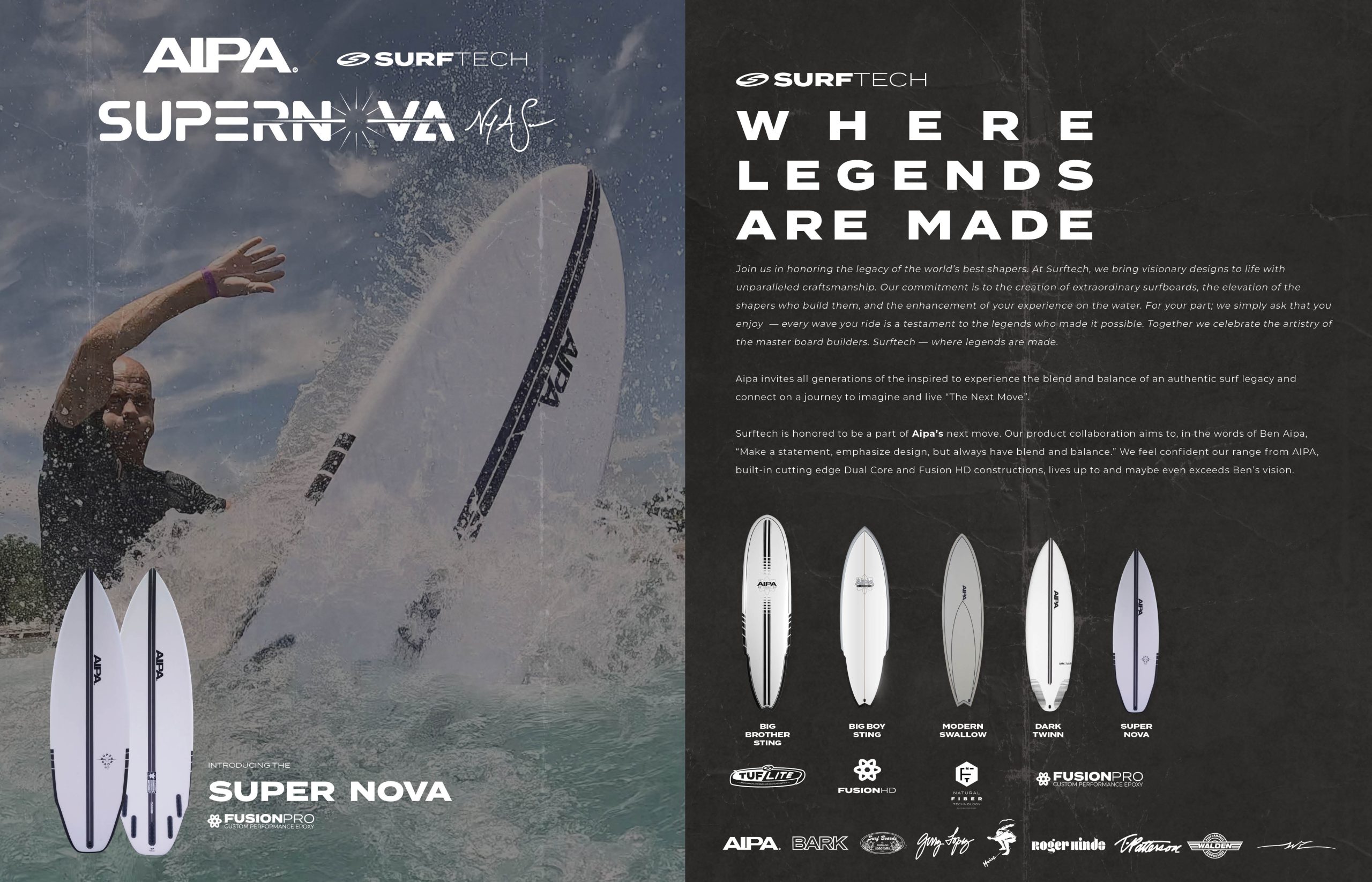
Mid-lengths and summer toys continue to eat into the market share once held by traditional longboards and high-performance thrusters. “Mid-lengths remain a staple, as they suit a wide range of surfers and conditions,” says Brandon Sanchez at Euroglass. Though not explicitly labelled as a mid, the Aipa Modern Swallow in Natural Fiber Tech (Surftech) is a stylish yet forward-thinking design “that blends speed, style, and versatility into a wave-hungry board that makes catching waves a breeze”, says Nigel Gibb from Zimbali Surf (Surftech’s European distro). From 6’6’’ to 7’6’’, the signature swallow tail with its flatter rocker and fuller outline is “the perfect blend of retro influence and modern performance”. Timmy Patterson’s Blue Fin (Surftech) navigates in the same charted waters, opting for a more traditional eggy shape.
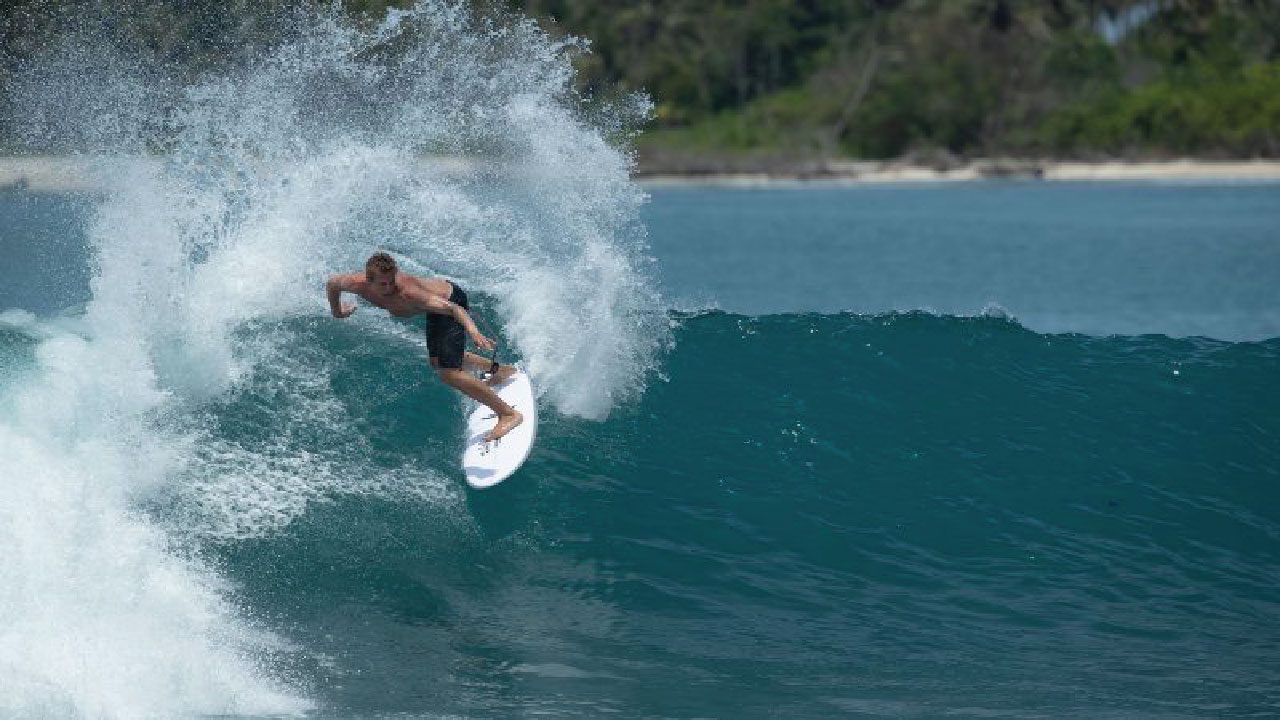
High-performance boutiques are also seeing a rise in “modern ‘summer toys,’ like a new quad/twin, which are growing in popularity,” according to Johnny of Cabianca Surfboards. The trend is clear: performance is still the goal, but “adaptability is what defines the best-selling models,” summarises Susan Marks at Chilli Surfboards.
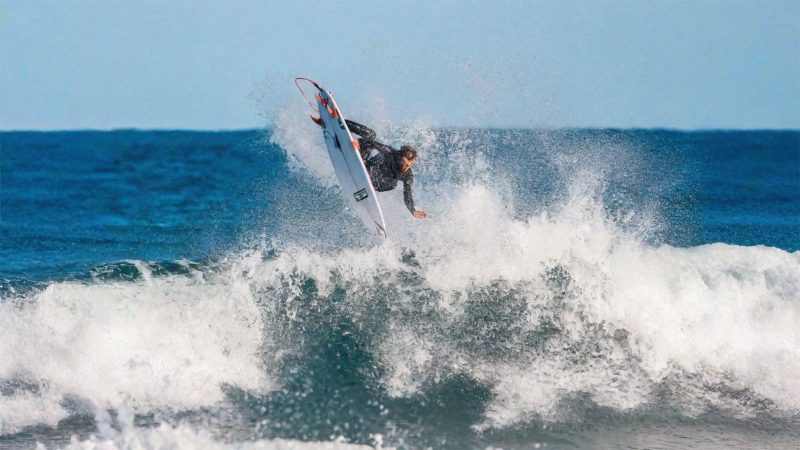
And precisely, ‘adaptability’ suits well to the new Cabianca model, El Dorado, “inspired by the speed, flow and simplicity of 1970s twin-fin design, it blends the glide of a classic fish with modern refinement. Flat deck, low rocker and swallow tail keep it fast, loose and agile. Ride it quad when there’s push, twin when it’s small.” Same ethos with the Allure model at Noir Surfboards, developed with Maud Le Car, “a versatile performance board designed for speed, flow, and style across a wide range of conditions”. Set up as a twin or quad, “it balances playful looseness and locked-in performance”, says Hugo Almeida, Designer and Marketing Director.
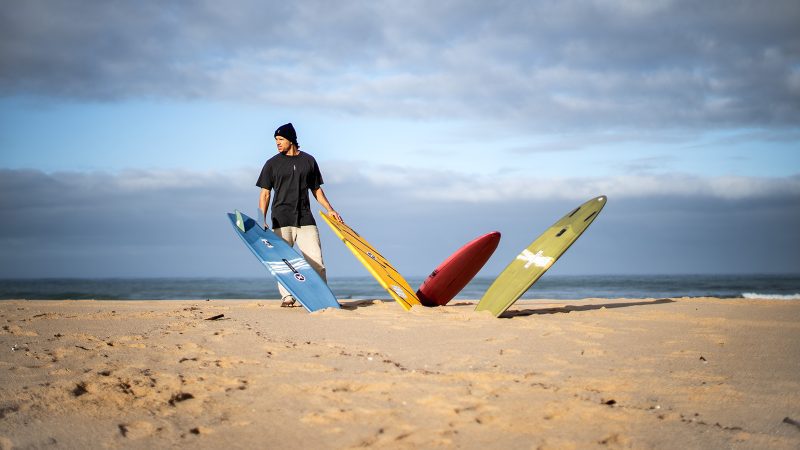
Still in the “one-board quiver” category, the Chilli HKII and Haydenshapes Hypto Krypto remain undisputed bangers. The HKII delivers a highly versatile everyday shortboard experience with easy speed generation and control, while a veteran design as the Hypto Krypto continues to grow in volume as the ultimate adaptable shape. The latest addition to the range, the Nova FutureFlex, is “our best seller for everyday fun waves,” mentions Hayden Cox, Shaper at Haydenshapes Surfboards. The Nova ticks all the boxes of this multi-condition functionality that is visible across every major catalog.
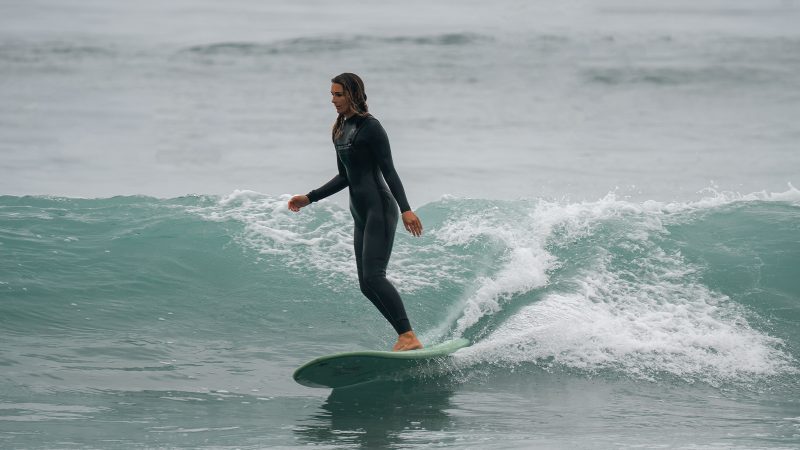
The Mini Beast from Makani (Town & Country Surf Designs) joins the party, marketed as the ‘ultimate all-rounder’. An all conditions, all surfers, kind of shape, with a centered volume and refined rails, set up as a thruster or a quad thanks to its five plugs. In a real-world, less-than-perfect conditions, those designs save the day, and surfers are definitely pragmatic animals nowadays.
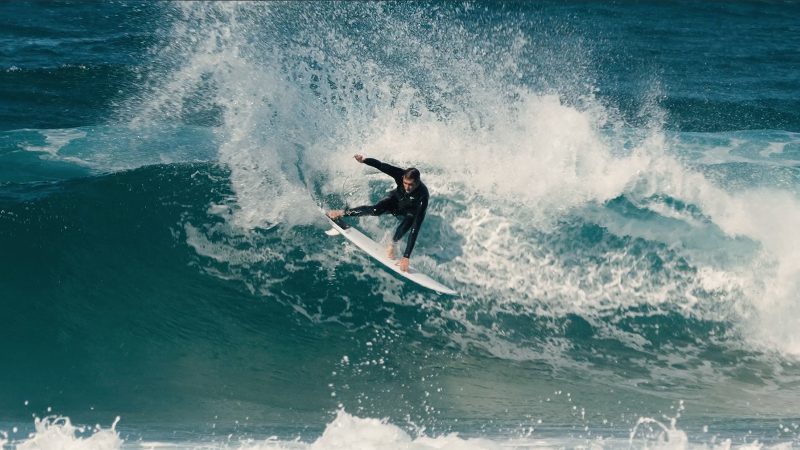
Unlike those consensual designs, some remain unleashed and appeal to vague cult-followers, much as the Stretch 5150. Originally designed for Nathan Fletcher, the board blends “skate-like performance with control” with its shorter length and snub nose. Featuring a flat-to-single concave with reverse tail channels, it can be ridden as a quad or 5-fin setup, meant for the punt-loving metalhead out there!
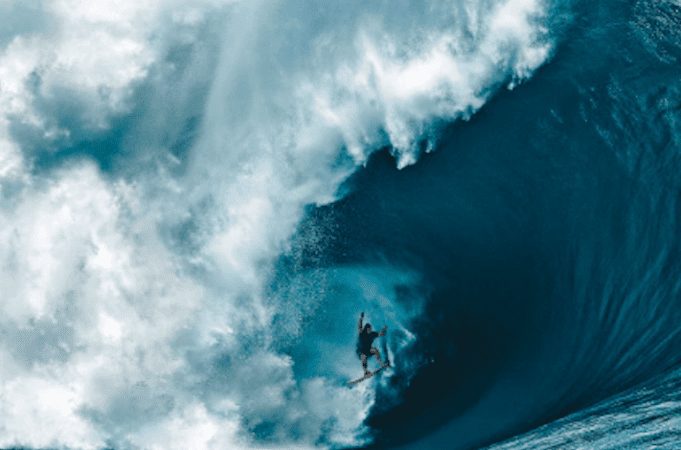
Last but not least, longboarding’s appeal has spread across all surfers’ profiles and customers are prioritising legendary signatures. It happens to be Surftech’s forté, exemplified with an abundant range. Among those master shapes, Wayne Rich managed to “weave California single-fin sensibility with contemporary versatility”, argues Nigel Gibb.
Rich’s Checkmate combines the specs of a performance longboard with “a soulful outline meets a timeless bottom contour that rolls into a classic 60/40 longboard rail”.
2026 Fade away designs
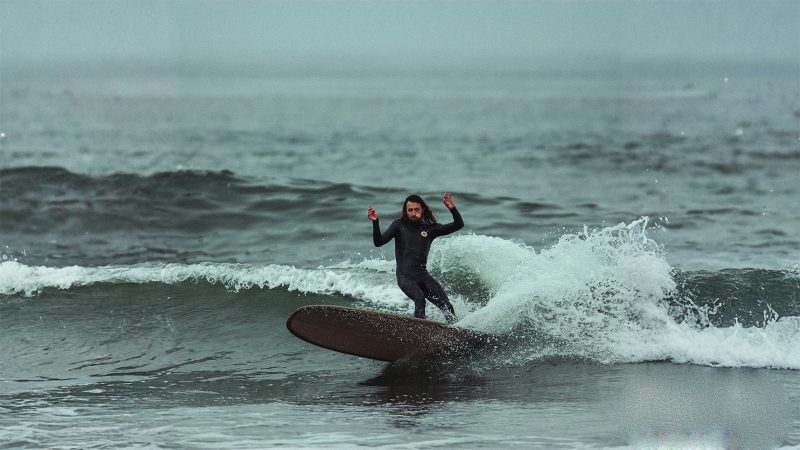
As the market shifts toward “rideability,” the hyper-technical pro-model is increasingly falling out of favor. “Standard, hyper-narrow, ultra-low-volume ‘pro-model’ shortboards intended for everyday use by average surfers have seen a decline,” states Thomas Cardinal, Co-founder of Shapers Club. Yet they didn’t give up on those niche surfers, as exemplified with the Cardinal Fire Arrow, “our precision high-speed shortboard, designed for everyday performance”, highlights Thomas.
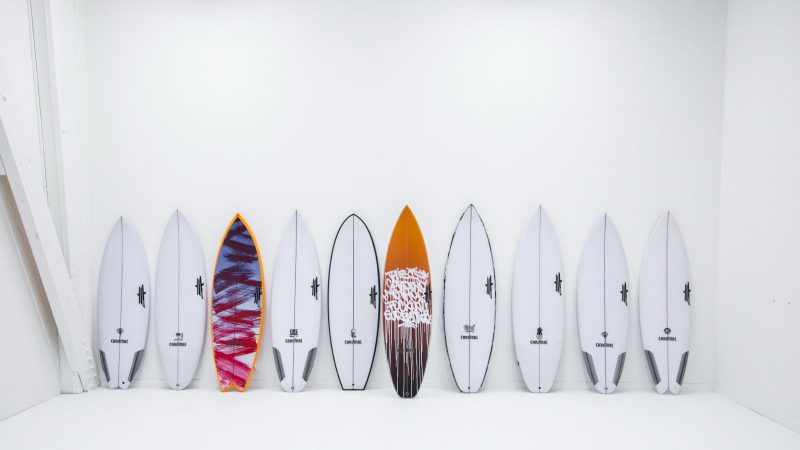
This isn’t just a change in taste, but rather the consequences of an overwhelming offer, claims Brandon Sanchez at Euroglass: “Pure shortboards remain the most technical option… it’s not so much a decline, but rather a saturation – there are now so many variations and models that it can become confusing.“ Even the retro-renaissance is seeing some consolidation. “The really old-school twins aren’t requested as much as they were a few years ago,” observe Johnny and Kelli of Cabianca Surfboards.
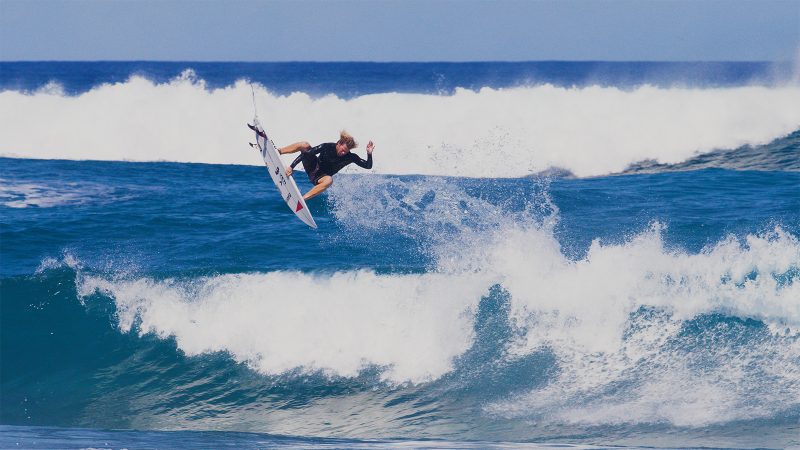
In the same vein, Rémi Chaussemiche, Marketing Director for Pyzel, says “the very long mid-length (above 7ft) has faded back a bit” as customers look for more versatility. “Shorther and stubbier version of them seem to fit our market better”, like the latest Pyzel Score Lord, a board designed to maximize wave count, “The thickness is pushed forward to keep lots of volume under your chest area, whilst keeping the sleek beaked nose free for fast paddle and easy wave catching, while the rails and tail area are thinned out to keep it sensitive and quick.” Furthermore, the “hipster softtop” is cooling as surfers seek more longevity. “The big craze for the softtops is already over,” claims Andy Wirtz, CEO of Norden Surfboards.
The Construction conundrum: Tech vs. Tradition
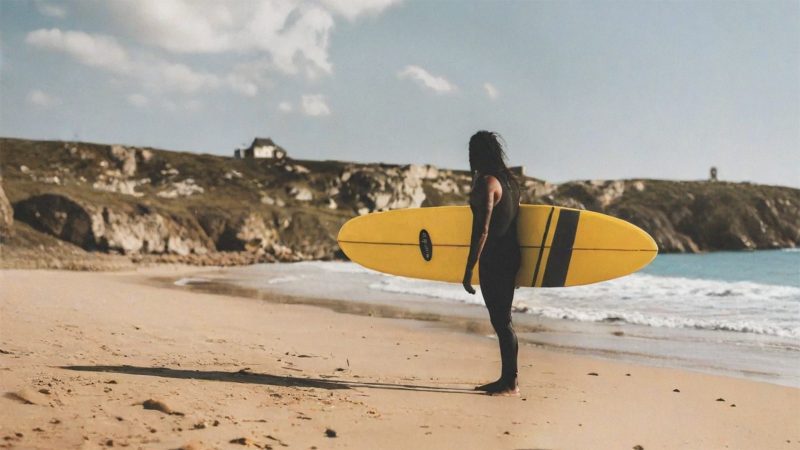
Here comes our never-ending engineering debate, the battle between the “soul” of PU and the “specs” of modern composites. “PU will remain a core part of the surfboard market for the foreseeable future… it still delivers a very specific feel,” notes Susan at Chilli Surfboards. This traditionalist anchor is vital for high-performance credibility. “As long as 95% of the best surfers in the world are using PU boards in competition, they’re not going to disappear,” argues Nick at Semente Surfboards.
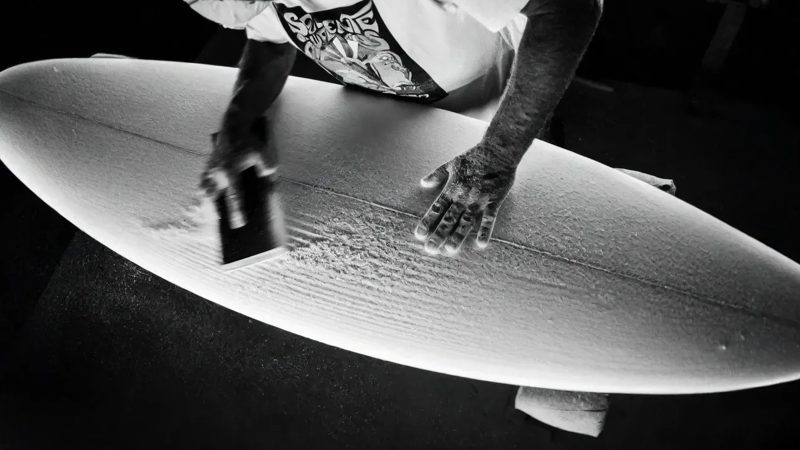
Advanced constructions are no longer “smoke and mirrors” but functional upgrades for everyday surfers. “Our ‘fancy tech’ construction is more accurately described as ‘friendly tech.’ We are more user friendly on every level,” says Pete Saari, of Lib Tech. Innovations like Lib Tech’s “Hammerbox urethane fin boxes” and Chilli’s “Carbon Black Spice” are narrowing the gap between the predictable flex of PU and the liveliness of EPS. “EPS/Epoxy shows up rather in kids’ or lower-level competitions or among hobby surfers… Full carbon boards are definitely trending, especially for pool surfers,” note Johnny and Kelli of Cabianca Surfboards.
Sustainability and Eco-Blanks
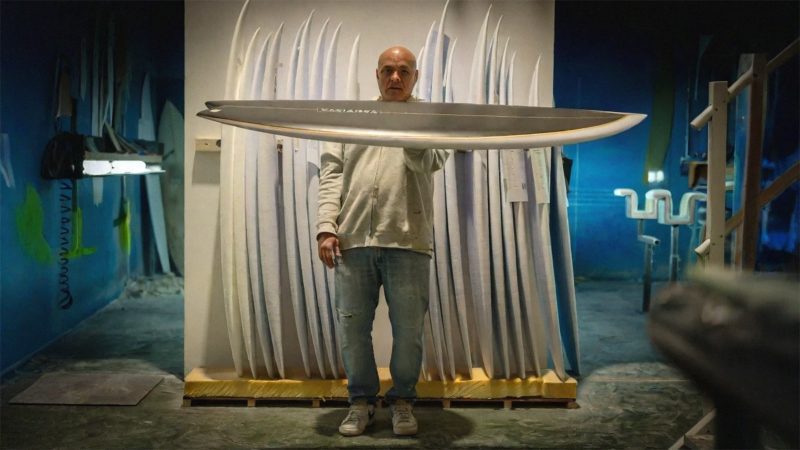
While the industry’s push for eco-blanks is real, some aesthetic hurdles remain. “Customers are still sensitive to the beige color of our blanks instead of them being totally white bleached,” notes Aristide, Co-founder of Polyola. According to Hugo at Noir Surfboards, another factor impeding their adoption “is that the brands that are doing those blanks are focusing their marketing in alternative boards and surfers so it’s hard for the normal surfers to relate with those solutions.”
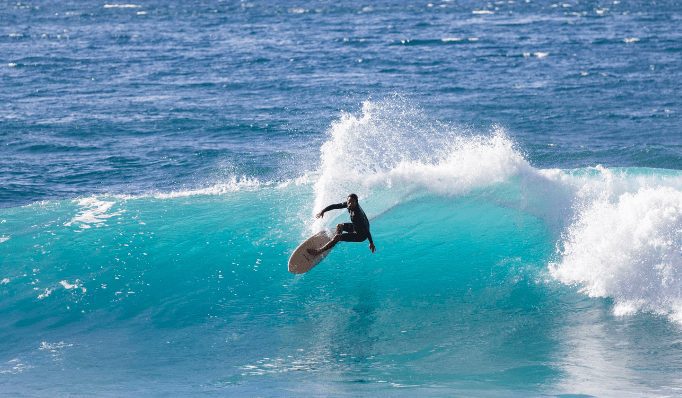
Beyond blanks, the focus has shifted to the factory’s carbon footprint. “At Appletree, we minimise our environmental footprint by recycling our foam cut-offs and running our factory on 90% solar energy,” says Wieger Buurma, co-founder of Appletree Surfboards.
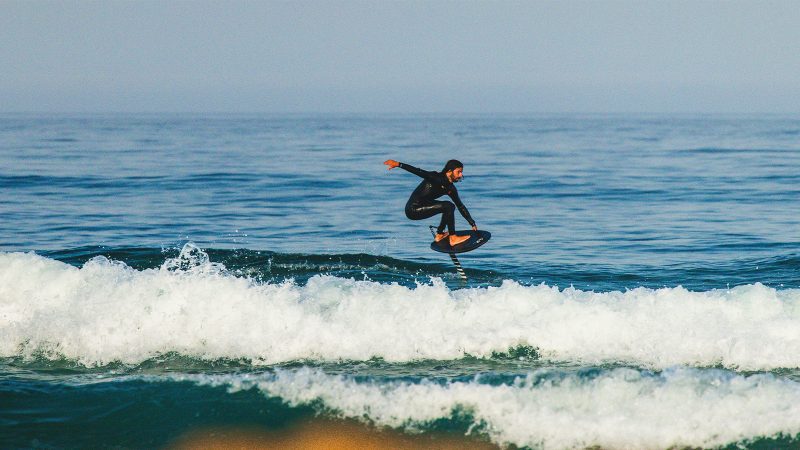
Other brands focus on the efficiency of the build itself. “At Torq surfboards we focus more on the process, producing with minimal waste, using solar energy,” explains Sebastian Wenzel, General Manager of Torq Surfboards.
Even the foam core is seeing upcycling. “We use our own environmentally friendly Eco Lite foam formula… 40% upcycled content and completely recyclable,” notes Pete Saari of Lib Tech.
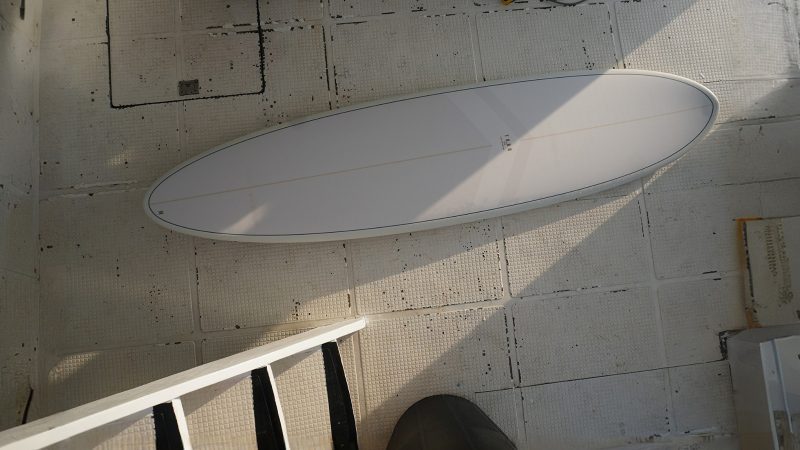
Retailer’s Playbook: Navigating a Crowded Market
For the 2026 retailer, managing the sheer volume of designs available requires a “well-curated selection based on their local conditions,” suggests Susan at Chilli Surfboards. The advice for shops is to lean into expertise over inventory. “Once your racks are set up, do not try to sell at all costs… advise, advise, advise… a happy surfer will return,” notes Thomas Cardinal of Shapers Club. To combat overstocking, drop-shipping and fast custom turnarounds are becoming the standard. Stocking for the “majority” rather than the “elite” is the consensus for healthy numbers. “Stock the boards for the crowds… and only custom order more advanced boards,” says Andy of Norden Surfboards.
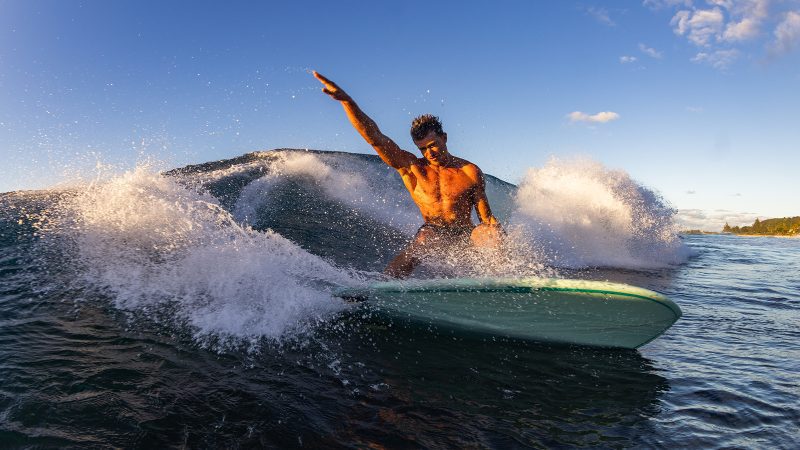
Nigel Gibb at Surftech echoes that advice, highlighting that “two or three hero shapes in the right size runs will consistently outperform a fragmented lineup – don’t over-assort.” And if you are looking for a hero, don’t go any further: “Invest in the brand story at the point of sale: a photo, a quote, a piece of [Gerry] Lopez history near the boards. Very few brands in surfing give a retailer this much storytelling material. Use it,” advocates Nigel. History, not ‘stories’. Surfboards will remain soul vehicles as much as wave tools. Share the stoke and stocks will fly.
Brand Previews