 Pro Content
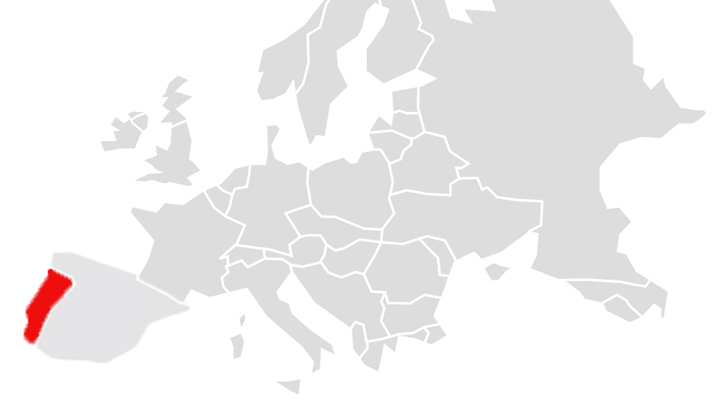
Portuguese Market Insight: Out Of The Frying Pan & Still In The Fire
Uncertainty and distrust continues to be part of Portuguese daily life. The economic difficulties caused by inflation which now stands at 3.6% combined with interest rates rising to 4.27%, their highest since 2009, have led customers to hold back on consumption due to their loss of purchasing power. The most recent forecast released by the Bank of Portugal in October reduced the previous GDP predictions for this year, down from 2.7% to 2.1%. The news is not encouraging for 2024 with a new downward revision to 1.5% instead of the 2.4% announced in June.
By Nuno Principe
The boardsports market is struggling with a decline in sales due to lack of purchasing power and the need to get rid of stock. For Bana Skate Shop: “There are less customers in the store due to lower purchasing power. People are paying almost double for their house rent and think twice before buying hardgoods or clothing. Since the store’s location is hidden away there are almost no tourists which leaves us very dependent on Portuguese customers.
“Products are more expensive which means we have a lower profit margin. We have been running promotions such as “2 in 1” where you buy one and get the second product for 10 euros. We have also extended the duration of our promotions. There is a corner on the store that always has products on sale and this is getting bigger and bigger, especially for shoes. Still, customers prefer to buy shoes at low-cost stores where the normal price is lower than the skate brand shoes that are on sale here. We’ve noticed that sales started to decrease since the war begin in Ukraine. Sales fell by 35% this year compared to September/October 2022. Our skateboarding school made partnerships with several schools and this was positive because it brought people to the store.”
For Xen&Co Surf Shop: “What sets us apart is personalized customer service. After the pandemic, people began to value small local surf shops again. But with inflation, the war and interest rates constantly rising there was a contraction. Sales decreased by 42% in September and 12% in October compared to 2022. We reduced our Fall/Winter 23 orders and invested more in our own brand where we have a higher profit margin. We’ve been successful with this as the manufacturing material is good quality and the price is lower than the surf brands. They have sweatshirts for 89 euros and ours is 45 euros.
“In some cases, the wetsuit prices have increased by 40 euros. There is even a brand that suggested that we have wetsuits for consignment here which clearly highlights the urgency to get rid of stock. Big stores are full of stock and offer promotions above 40% that we can’t compete with. We will open the online store soon, hoping this will also help with sales.”
For the G3 Store, in Peniche: “We merged our two stores and brought our surf centre together in the same space. Due to the crisis, the local market is a little difficult to work with and in our surf centre the customer is mainly foreigners whose purchasing power is much higher than the Portuguese consumers. The crisis fear made us look at the Fall/Winter 23 collections differently and we worked heavily on reducing costs and products. Taking into account that brands have less and less stock, it’s a little complicated to manage this but it’s something we are used to doing since Covid-19.
“These last two months were much better than expected. Peniche and Baleal continue to have a lot of visitors and September and October are usually months with very good waves and slightly lower accommodation prices which year after year has been bringing more surfers to the region. Compared to September 2022 we had a 10% sales increase even without the store merge. In October, with the stores already together, we had an increase of 25%. We are confident that it will be a good end of the year with improvements in revenue compared to last year.”