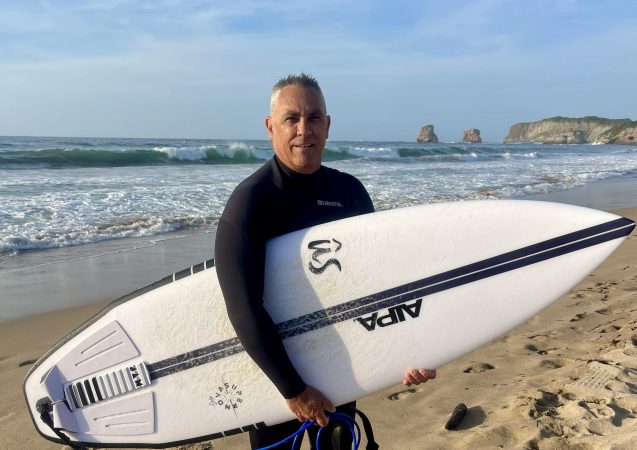
Big Wig: Nigel Gibb’s Journey from South Africa to Shaping Europe’s Surf Market
Nigel Gibb’s journey from South Africa to professional surfer to a key player in the European surf industry reflects his deep passion for the ocean and his extensive expertise. With a rich background in brand management and sales, Nigel now drives ZimbaliSurf’s vision to elevate Europe’s surfboard market through innovation, strong partnerships and sustainable growth. Boardsport Source got together with Nigel to hear his views on the surf market and how he is managing the Surftech brand and the rest of his brand portfolio in Europe.
Please tell us about your background and what led you to your current position? I’ve been fortunate to build a career that started in the water and, in one way or another, has always found its way back to the surf industry. In my younger years, I competed as a professional surfer on the WQS Tour, an experience that deepened my passion for the ocean and unexpectedly led me to meet my wife in Europe. I later studied Quantity Surveying at the University of Natal in Durban, South Africa, before relocating to the Basque Country. While there, I studied Town Planning, worked to support myself, and continued competing on the European surf tour. A real turning point came when I was invited to specialty events like the Nixon Challenge in San Sebastián. There, I met Nixon’s European licensee and global founders. Soon after, Henning Erlandsen, Nixon’s General Manager for Europe, offered me a job, and just like that, my career took an exciting new direction. At Nixon, I worked across territory and export management, key accounts, and sales leadership. I then became Head of Sales EMEA at Element Skateboards, before moving into the role of Head of Sales at Billabong Europe. These roles provided invaluable experience in sales, marketing, brand building, business development, and international distribution. When Billabong was integrated into the Boardriders Group, the landscape shifted, and it felt like the right moment to start my own adventure: Zimbalisurf. I began by consulting for brands such as F-ONE and Manera, developing global sales networks for surf foil products and technical wetsuits. I later collaborated with Guillaume Marage at Samplenco, supporting brands including Pyzel Surfboards, Thunderbolt Surfboards, AFTER Essentials, and Veia Accessories. After four years helping other brands grow, the timing felt right to build something of my own: a new partnership focused on surf hardgoods distribution, with the support of Tablas Surf Shop in Spain.
As a relative newcomer with Zimbali Surf, how did you convince Surftech to hand you the distribution for continental Europe?
At the time, Surftech was facing a challenging relationship with its previous distributor, who wasn’t truly specialised in the core surf side of the business. It was clear that the brand needed a fresh start in Europe, a proper rebirth with the focus shifting back to where Surftech’s heart really belonged: core surfing. Rather than leaning on stand-up paddle and other opportunistic categories that had played a role in Surftech’s past, the goal was to reposition the brand with credibility, focus, and a strong surf-first strategy. To make this happen, I put together a business plan with the support of Tablas Surf Shop in Spain. Their strength as one of Europe’s leading surf hardgoods retailers, both through their physical retail presence and online platform, gave us a solid foundation from day one. Combined with my existing sales network and industry experience, we were able to start rebuilding relationships with some of the best surf retailers across Europe, bringing Surftech back into the right conversations, the right shops, and ultimately, back to the core surf community.
The surfboard catalog at Surftech can be overwhelming, with tons of models, in between Surftech’s own brand and the countless collabs with signature shapers/labels. How do you manage the board supply/sorting?
At first glance, the Surftech catalogue can look quite extensive, but once you understand the structure, it becomes simple, logical, and exciting to explore. The strength of the range lies in its clear segmentation and Surftech’s collaborations with some of the world’s most respected shapers. The catalogue brings together legendary names such as Donald Takayama, Gerry Lopez, and Walden, alongside more performance-focused shapers like Timmy Patterson and Aipa. The key is not to overcomplicate the offer. Surftech focuses on a carefully selected number of models from each shaper, with the right size options and construction technologies for different surfers. This is where the offer really stands out. Boards are segmented not only by shape and surf style, but also by construction, helping each surfer find the right match for their ability, expectations, and time in the water.
So while the catalogue may look broad, the logic is clear: the right shapers, shapes, and technologies make the consumer journey easier.
Besides the Surftech powerhouse, Zimbali also works with smaller up and coming brands, like Db Journey, Usthemovement, Olukai, Roark. Is the balance between hardwear and softwear brands, key to one’s thriving business?
Diversification is key, especially in surf, where the market moves in cycles from the Covid boom to the more recent softer conditions. Working across different categories, channels, and seasons creates a stronger safety net while allowing brands to grow sustainably. A good balance between summer and winter business is also important. Adding Auclair, the Canadian glove brand, strengthens the winter side of the business while keeping me close to products and markets I genuinely enjoy. Every brand in my portfolio connects to my passions. Roark blends surf, outdoor adventure, and travel; Db Journey offers premium products across luggage, surf, lifestyle, outdoor, ski, and fashion channels.
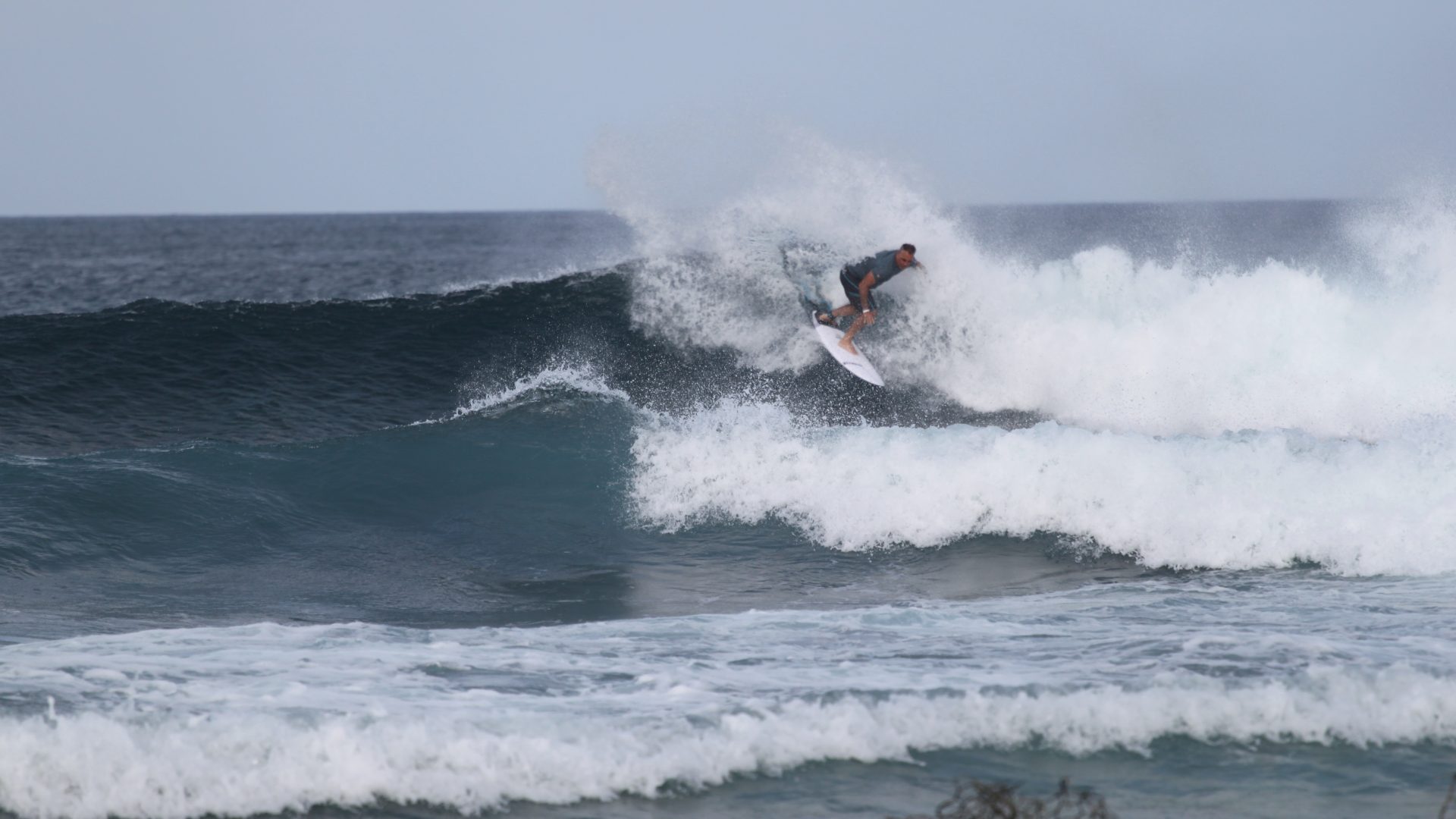
What are the market dynamics within the European surfboard market? Which regions are performing, which aren’t as much?
The market is stabilising after the huge Covid boom. Strong brands continue to perform well, while demand for entry-level surfboards has softened, a natural correction after such rapid growth. Traditional surf markets like France and Spain remain very strong, while Portugal continues to be important, despite some tourism shifting toward Morocco. Overall, there is still real opportunity for focused brands with the right product and partners.
How does the European surfboard market differ from the Global market?
The big difference between the European surf market and other major global markets, such as Australia and the US, is the profile of the average surfer. In Europe, we have a much higher percentage of beginner and intermediate surfers compared to these more mature surf markets. This gives us a slightly different perspective on which board models perform best. For example, in Europe, mid-lengths, funboards, and alternative shapes represent a larger proportion of sales, whereas markets like Australia and the US still have a very strong demand for high-performance shortboards. We also have a significant business in surf school surfboards, which is another important part of the European market and reflects the continued growth of new surfers entering the sport. The second major difference is the seasonality. European winters can be pretty brutal, cold, rainy, stormy, and often with huge, difficult surf conditions. As a result, board sales are much more concentrated around the main surf season, with the average weekend surfer being most active from April to October.
How key is the wholesale channel for you and how do you support your retailers?
Wholesale is central to our strategy, giving the brand representation across Europe, including smaller coastal towns and remote surf communities. We manage the Surftech Europe and Tablas Surf Shop websites, but we always try to protect our wholesale partners. Any promotion, discount, or commercial condition offered through our channels is also made available to retailers. Our goal is harmony, not competition. For us, wholesale supports communities, strengthens retailers, and grows European surfing sustainably.
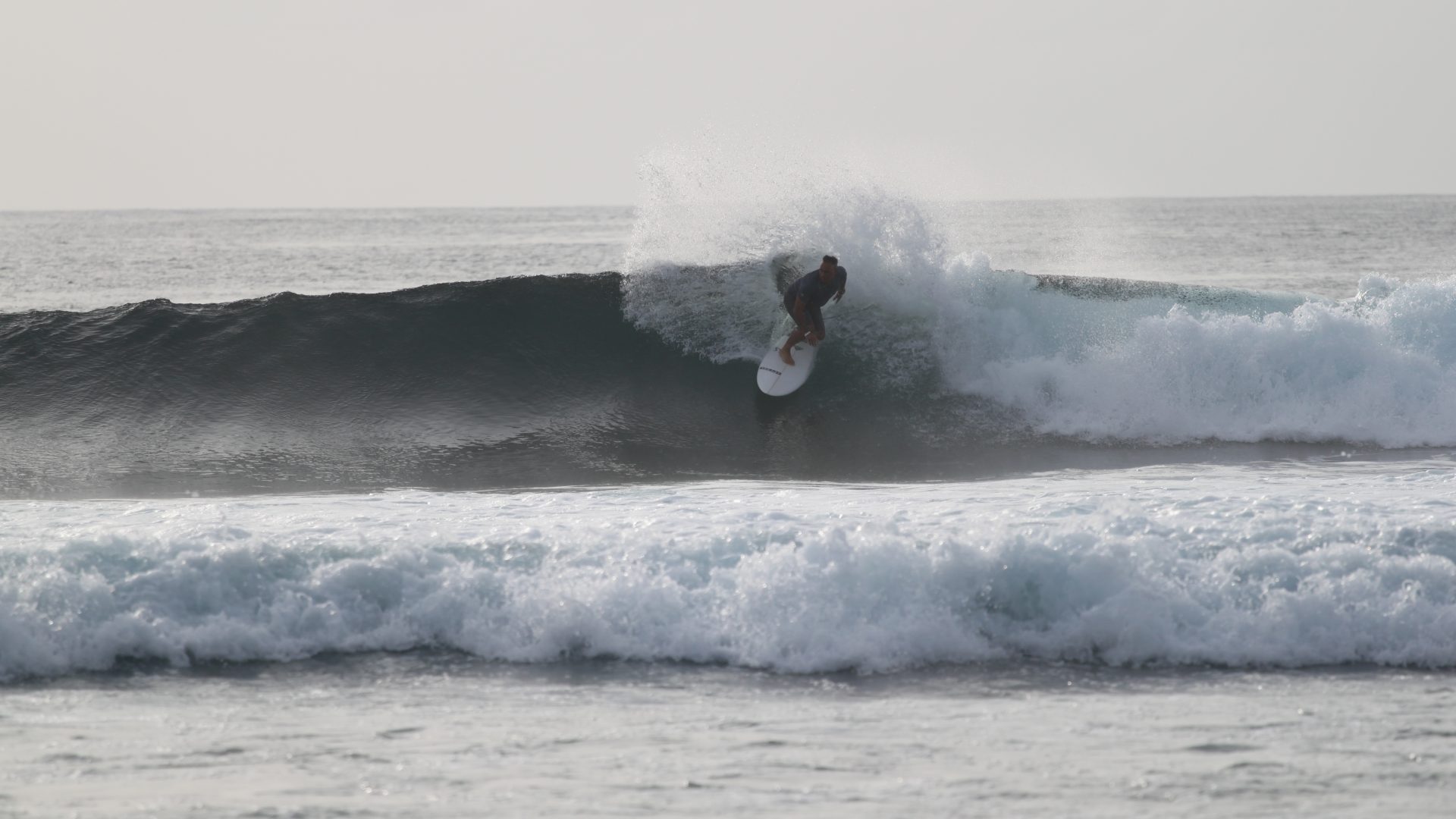
How do you feel the second hand market is influencing demand for new boards?
It creates a healthy cycle that allows surfers to renew their equipment with a lower investment. At the same time, it gives people who may not have the means to buy new gear the opportunity to get into surfing and enjoy the sport. From a sustainability standpoint, it also makes a lot of sense. Surfboards are not always the most ecological products to produce, so extending their life cycle helps reduce waste and gives each board more time in the water. In the end, the second-hand market is not a threat to new board sales, it can actually support them by making the sport more accessible, encouraging progression, and keeping the equipment cycle moving.
What are the biggest lessons you have learned during your time in the water sports industry?
You need to remember that business is still business, even when the product is your passion. It is important to work with products and people you love, but you also need to protect your margins and make sure the business remains healthy and profitable. Passion can drive the business, but it cannot replace good financial discipline. If a customer falls behind on payments, even if they are a friend, you have to be strong enough to stop the flow of product until the situation is resolved. It is never easy, but it is necessary.
How do you see the future for the European Surfboard industry?
I feel that the surfboard industry is healthy. Like any market, it goes through cycles, there are boom periods, and there are moments when things slow down. But the bigger picture remains positive. The surf community continues to expand, and that will continue to create growth over time. That growth may not be visible every single year, but when you look at the market over a 10-year cycle, the direction is clearly moving forward.