




 Pro Content
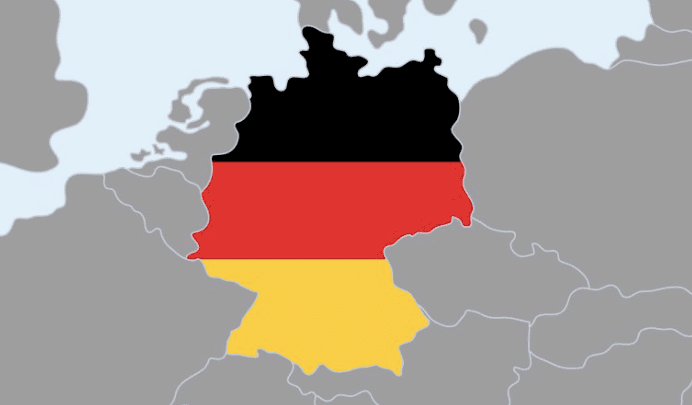
Germany Market Insight- cautious stabilisation with the Retail Outlook healthy but challenging.
Welcome Back Summer
After several years of weak consumer sentiment, the German economy is showing the first signs of a cautious stabilisation. For many retailers, the winter proved surprisingly positive, particularly in the final months. Strong sales boosted morale, and with cash registers well-stocked, numerous stores began the summer season on an optimistic note. Things were also running smoothly on the manufacturers’ side. Most brands were able to deliver reliably, stock availability was high and in many places warehouses were well-stocked. But then came April.
Late snowfalls in the Alps, persistent rain and unusually low temperatures made for a difficult start to the warmer season. Added to this was a very early Easter, which meant that purchasing decisions and travel plans were postponed in many cases. Consequently, many retailers reported a decline in turnover compared to the previous year.
Inflation is now well below the peaks of recent years. Nevertheless, price levels remain high and many consumers continue to be cautious. Price comparisons, discount campaigns and reduced-price goods play a greater role than they did just a few years ago. The general uncertainty caused by geopolitical conflicts, rising costs and economic challenges continues to lead to caution when it comes to major purchases. At the same time, the passion for board sports remains undiminished. What currently sets many successful retailers apart is their ability to remain flexible, build communities and create experiences.
Retail Outlook is healthy but challenging In May, the weather finally showed its better side. Sunny weekends and rising temperatures immediately led to increased customer traffic in shops. Many retailers currently describe the market as “healthy but challenging”. Price promotions remain prevalent and are now an integral part of the purchasing process for many customers. Today, consumers are paying particular attention to durability, multifunctionality, discounted goods, previous year’s models and well-known brands. Premium products continue to sell, but require stronger selling points regarding quality, innovation and long-term value.
More and more retailers are focusing on experiences rather than mere product presentation as community is driving retail. Particularly in demand are snowboard, surf, surfskate and wakeboard tests, community events, workshops, local sporting events and group sessions. Simon from S-Brett in Mannheim confirms this trend: “We had a really good winter, but April was extremely quiet. That’s why we tried to get people into the shop with activities like table tennis tournaments and get-togethers. This not only boosts sales but, above all, strengthens the community.”
Purchasing behaviour has changed across almost all board sports categories as purchases are being delayed. A new surfboard costing between 900 and 1,500 euros, a wakeboard setup costing between 500 and 1,000 euros, or a premium skateboard costing between 200 and 400 euros is now much less likely to be bought on impulse. Instead, customers are using their existing equipment for longer and specifically replacing individual components such as wheels, bearings, fins or bindings.
Sale products continue to perform and many retailers report significantly stronger demand for the previous year’s models, outlet items, complete sets and second-hand gear Andreas Voss from Waketoolz has also observed this trend: “Price promotions have a much greater influence on purchasing decisions today than they did a few years ago. That’s a bit of a shame, as modern products often offer genuine technical advantages and last significantly longer.”
The skate market remains one of the most stable and independent sectors within board sports. Driven by local communities, skateparks and a steady stream of new talent, the market is proving robust, but without any major growth spurts. Surfskates have established themselves and remain relevant, whilst core hard goods and footwear continue to deliver stable results.
Commented skate retailers ‘Skate works because it’s local. If the shop is active in the scene, the gear sells – if not, it doesn’t.’ says A-Man Boardshop and ‘Demand is steady, but no longer hype-driven like it used to be. It’s become a solid, honest business, so whilst online sales are putting pressure on us, of course, good shops with a genuine community are hardly losing any customers. ’adds Edge To Edge Garmisch. Michi from Epoxy Boardshop in Deggendorf comments: ’Complete boards are still selling very well. At the same time, we’re seeing new target groups for surfskates and carver-style products.’
The German surf market remains strongly travel-driven and seasonal. Sales are often concentrated on customers with specific travel plans. At the same time, river waves, artificial wave pools and local surf spots are generating additional domestic demand. Surf accessories and performance products are proving particularly strong. Tobi from Goodtimes Surfshop in St. Peter-Ording reports a successful start to the season. Repairs, wax and accessories are now among the key revenue drivers.
The number of surf shops in Germany also remains limited. Many smaller shops have disappeared in recent years. Jan Überall from Surf & Fashion Fehmarn sees community engagement as a key factor for success: “Everything related to travel – ponchos, sunscreen and sunglasses – is selling better than ever before.”
The SUP market has normalised significantly following the COVID-19 boom. Today, the market is dominated primarily by replacement purchases, upgrades and high-quality products. Bernd Flügerl from F2 / Watercolors nevertheless views the market positively: “There are nowhere near as many brands as there were during the boom. The market is becoming healthier. People still want to get out into nature – and SUP remains one of the most accessible sports of all.”
Accessories are the quiet winners. Water Helmets and Safety is becoming increasingly important, demand is rising significantly, particularly for river surfing, wakeboarding and foiling. At the same time, modern helmets have made great strides in design and comfort. In Impact Vests foiling and wakeboarding continue to drive the category. ‘ Five years ago, hardly anyone wanted them. Today, impact vests are seen as a performance product.’ comments Mats from Brombachsee.
Surf Robes & Ponchos has been one of the strongest accessory categories in recent years. ’Ponchos now sell all year round.’ Adds Petra from Icehouse Kulmbach. Whether at the beach, wake park, on a surf trip or in the sauna – the uses are varied and make ponchos an ideal add-on sale.
Outlook 2026:The board sports industry remains culturally strong, even though the economic conditions remain challenging but the market is becoming increasingly polarised. Strong core shops with a community and expertise can grow but multisport retailers are coming under greater pressure. Service, events and local networking are becoming more important whilst customers are buying more consciously, but no less passionately. Board sports remain emotional, identity-forming and social. This is precisely where the great opportunity lies for local shops.
I wish all shops, brands and distribution partners a successful summer.
Ride On.
Toby Hammer