Brand Profile: The Fubuki story stradling the globe
From a Japanese snowstorm to a global boot brand Fubuki’s journey straddles the globe. Christofer Ljunggren CMO & Co-Founder talks to Source all about the brand and its permanent carryover strategy.
How did the Fubuki story begin?
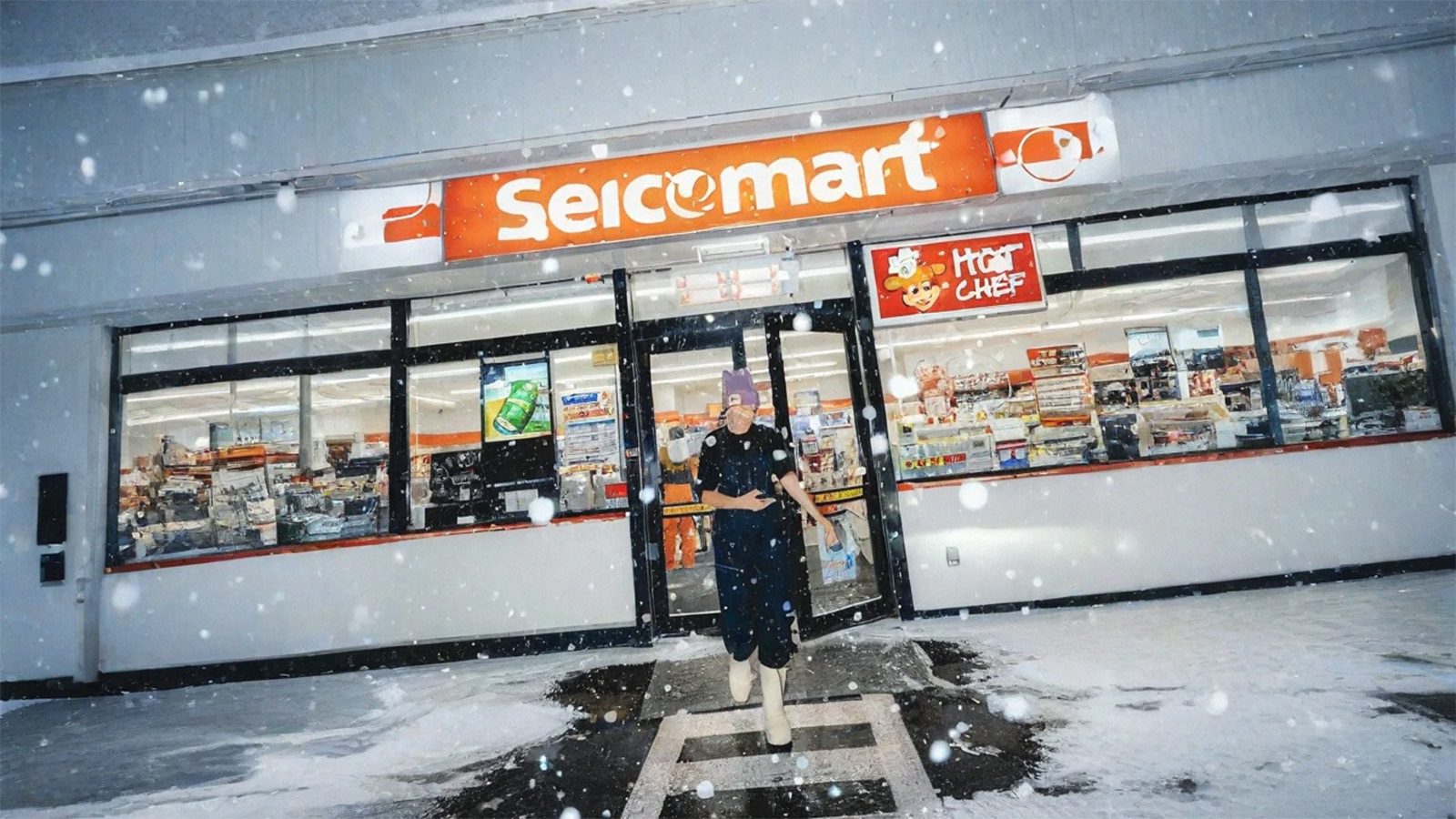
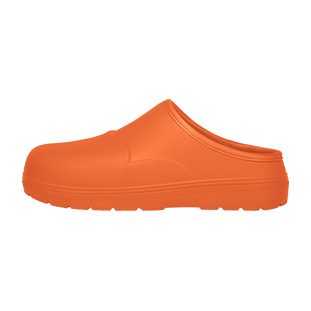
It really starts in Japan. Back in 2016, my best friend Carl Gunnar or Kalle, as everyone calls him, took a gap year after high school. He spent a season skiing in Austria, Canada, and Japan. When he came back from Hokkaido, he had this pair of bright orange winter rubber boots that he’d picked up at a local hardware store near Niseko. They were originally fishing boots, super lightweight, waterproof and perfect for deep snow.
4
And people immediately noticed them?
Absolutely. Kalle started wearing them around his family’s ski cabin in Åre, which is Sweden’s biggest ski resort. His dad actually stole them and started wearing them too. Everywhere they went, people stopped them to ask where the boots were from. They really stood out, not just visually, but functionally.
That curiosity turned into a business?
Yes Pretty quickly. Kalle has always been entrepreneurial, he’s been selling things since he was a kid. He tracked down the Japanese factory that made the boots and started emailing them using Google Translate, presenting himself as a representative of a Swedish outdoor retailer. He ended up importing around 150 pairs and storing them in his student apartment. His girlfriend wasn’t thrilled, but they sold out through fairs, friends and word of mouth.
5
Where were you at that point?
I was studying economics in Stockholm and watching all of this from the sidelines. I’d always been more drawn to design, branding, and product development. I had this dream of working for a major outdoor brand, but it didn’t really materialize. At the same time, I could clearly see that what Kalle was selling was unique and that with some redesign, it could become something much bigger.
So when did Fubuki officially take shape?
I pitched my vision to Kalle in late 2018, and instead of saying no, he brought me in as a 50/50 partner. We officially launched Fubuki in December 2019. By then, the original Japanese factory had gone bankrupt, so we had to find a new production partner and learn product development from scratch. Neither of us had done this before, we were just passionate skiers trying to build something meaningful.
2
What was the core product ideas behind the product?
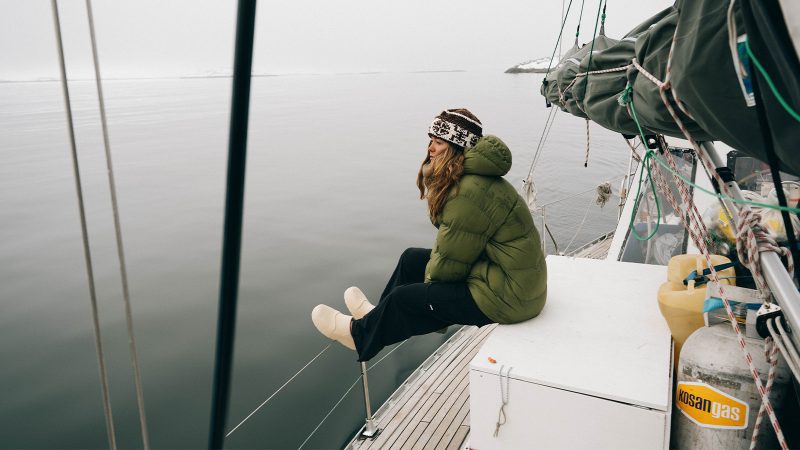
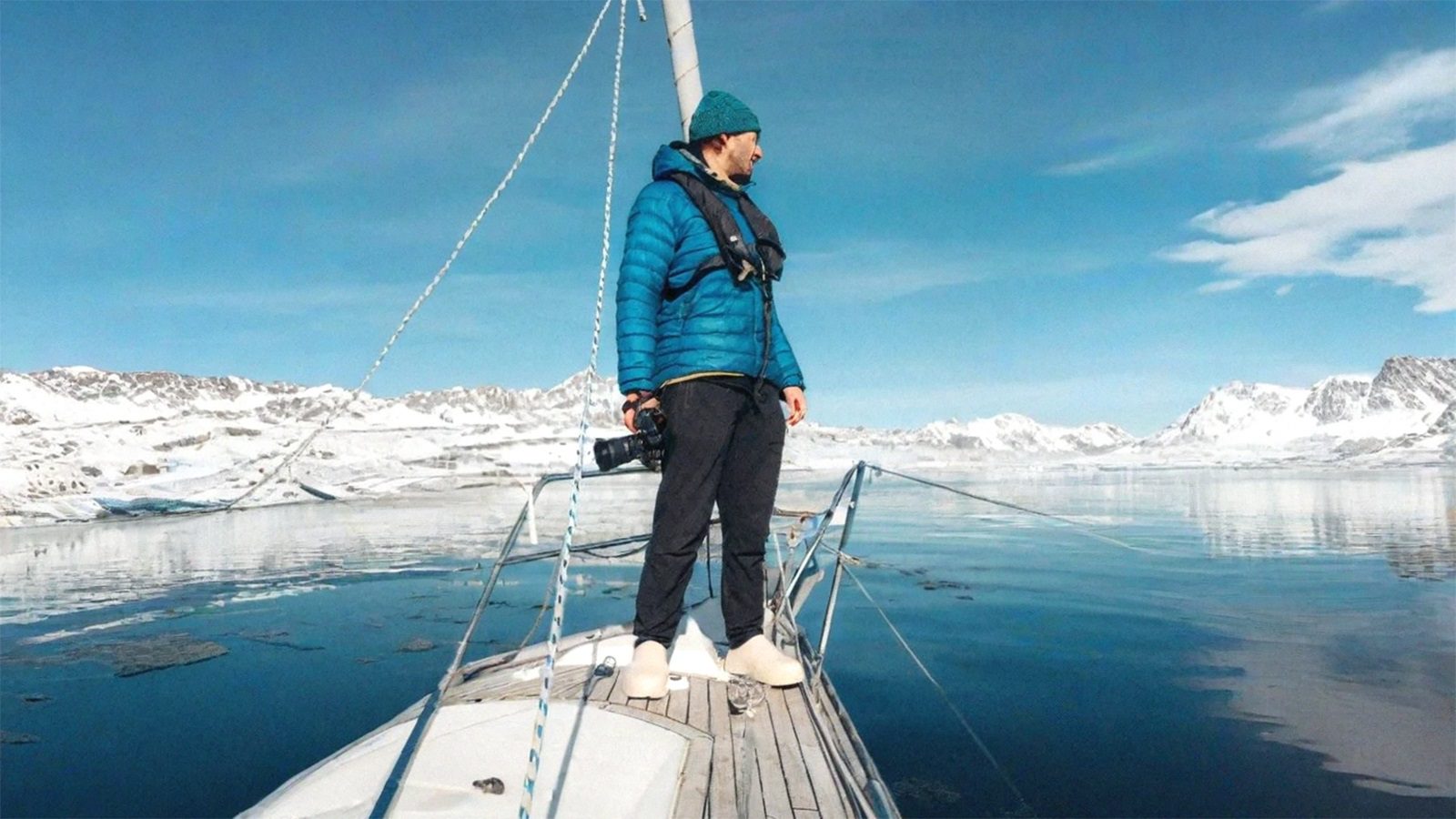
From day one, the focus was function: lightweight, warm, and waterproof. The boots are moulded in one piece using EVA, which has a very low density. That’s what makes them incredibly light while still insulating well in cold conditions. Inside, there’s a wool-blend lining made of 50 percent Australian wool and 50 percent recycled polyester and outside a rubber outsole for grip.
But people also buy them for how they look.
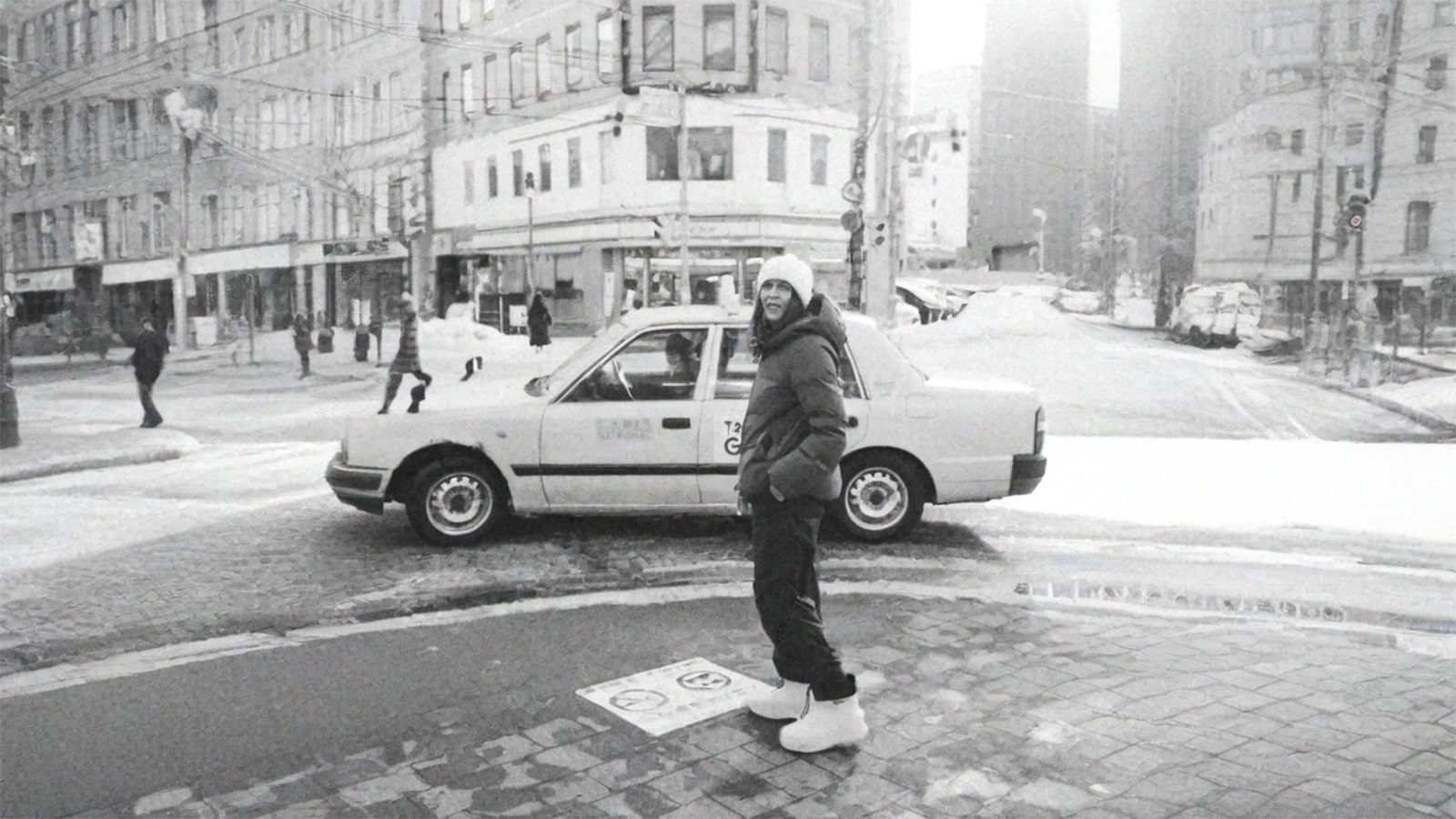
That surprised us a bit. We quickly realized that while function brought people in, aesthetics made them fall in love. A lot of people even assume we’re a Japanese brand, which makes sense given the inspiration. The name “Fubuki” literally means snowstorm or blizzard in Japanese, and storytelling is a huge part of what we do.
FUB-NOZ-ORA-SIDE
How big is the brand today?
We’re present in over 30 countries, working with more than 800 retailers. Sweden, Norway, Canada, and the U.S. are our biggest markets, making up about 80 percent of the business. With substantial annual turnover, it’s still just the two of us running the company, with one part-time employee. Lean mean product machine.
You’ve taken a very different approach to collections. Why?
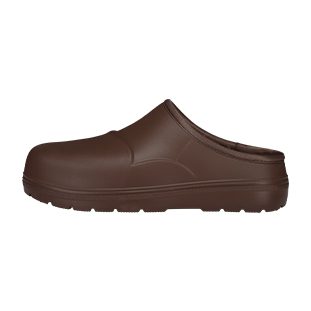
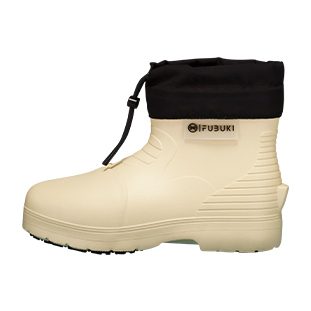
We don’t do seasonal collections. We have a permanent carryover range of seven styles that evolve slowly over time. Our original Niseko boot is now in its third generation, the idea being refinement, not reinvention. It’s better for logistics, sustainability, and retailers, and it keeps the brand honest.
FUB-NOZ-BRO-SIDE
Who is the Fubuki customer?
It’s surprisingly broad. We sell to people aged seven to seventy-seven. Around 60 percent are women, but it really spans generations. The common thread is that people want something that works in snow, slush, mountains, or coastal environments and looks good enough to wear in the city.
How is the brand distributed in Europe?
We have a central warehouse in Stockholm and distributors across Europe. For Germany, Austria, Denmark and Iceland its Mikkel from BB Agentur, Switzerland its DLD, Spain its Ypsilanti, France its Ricochet, Holland its Edge Trading, Norway its Scandinavian Distribution, Finland its Rogue Agency, Czech Republic, Poland and Slovakia are all covered by Brandgate and recently Groove Armada have taken the brand on for the UK market.
FUB-NIS3LOW-SAN-SIDE
Finally, what’s next for Fubuki?
This year marks ten years since that first trip to Japan, and fittingly, we’ve just launched in the Japanese market. That feels like closing a circle. Growth-wise, we’ve only dipped our toes into many markets, but we’re in no rush. Our goal hasn’t changed since the beginning: to build great products and still make time to ski.
www.fubukiboots.com