 Pro Content
2020 Spanish Boardsports Market Insight Roundup
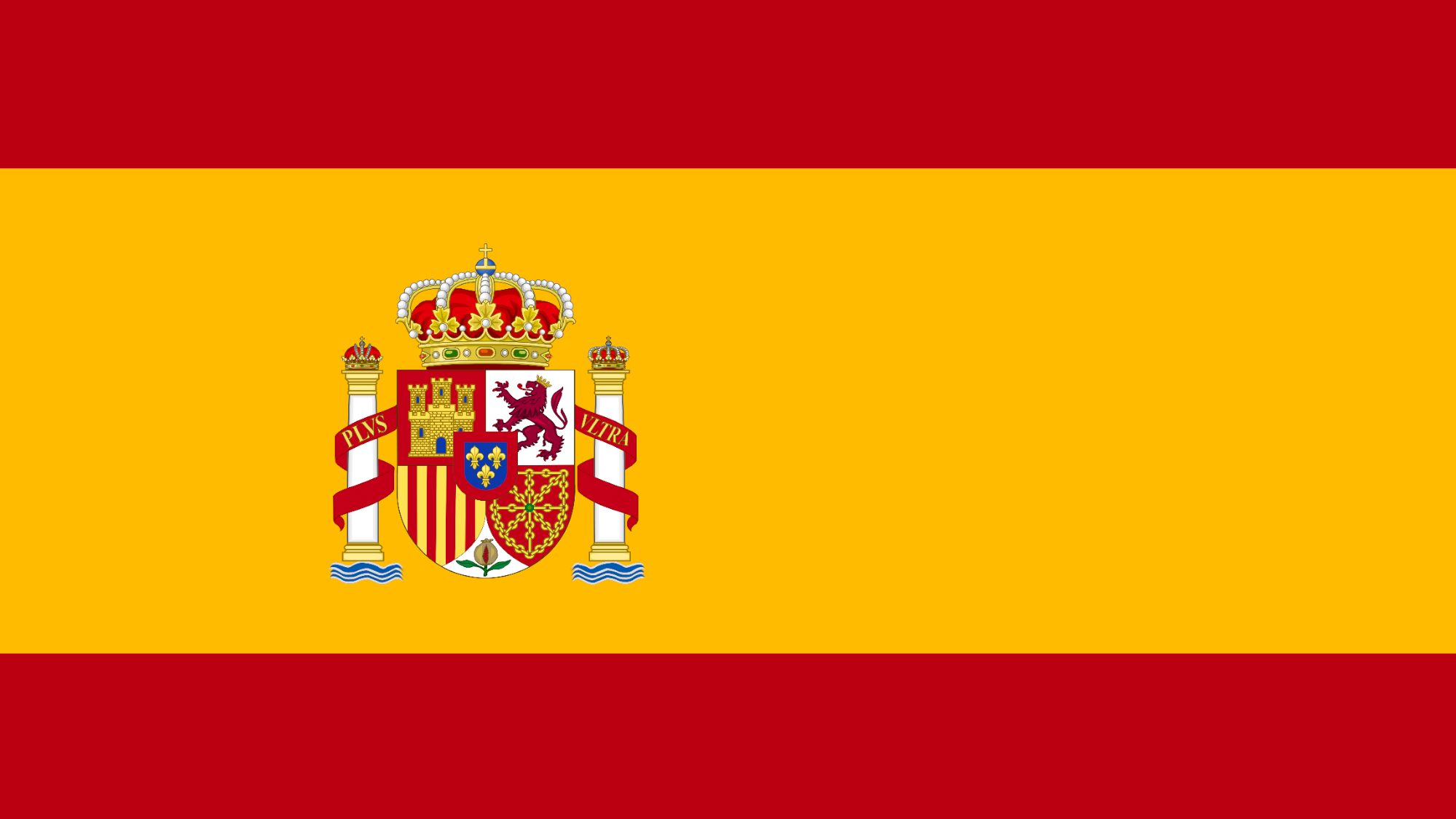
The intensity of the pandemic has made 2020 a testing year for Spain. However, the impact has not been negative for the boardsports industry. With socialising and travelling on hold, Spaniards have spent their saved euros on boards to have fun.
By Rocio Enriquez
One year into the pandemic and Spain has suffered worse than every other advanced economy. Over reliance on tourism had the country ill-prepared to face a health crisis of this magnitude. The government’s own poor financial health subsequently limited the amount of help given to businesses. The Prime Minister secured an amount from the European Recovery Fund but gave up on the loan portion of it soon after. This avoids an increased debt but, with less stimulus, it could slow down recovery too.
Initial containment measures in Q1 and a full lockdown in Q2 resulted in a slumped GDP. Spaniards clung on to hopes of recuperation in Q3. These hopes were crushed by a midsummer halt of international tourism and a rise in outbreaks. Still, reactivation in this period threw a surprising positive result of a 16.7% increase. Good news, but not enough to put Spanish minds to rest. The last months of 2020 have suffered a merciless second wave that could endanger the growth forecast for 2021. To avoid it, outbreaks need to be dealt with.
New restrictions balance the health of both people and the economy. The restrictions avoid a total shut down, so the impact might not be negative for the boardsports industry. Imposed curfews leave no fun to be had in the evenings. The boom of boardsports experienced over spring and summer could even be reinforced.
Skateboarding stores have reported an unprecedented popularity of the sport, a trend that is keeping steady. Seasoned skateboarders have treated themselves to new kit with money saved from staycations and not going to bars. New adepts and the eruption of women onto the scene have contributed to this skate bonanza. Gabi Blázquez of Sk8land store in Madrid had daily sales, even throughout August, when there is normally no one in town. He expects to end the year with a 10-15% sales increase. Rafa Sánchez of Back in Black, also in Madrid, confirms the trend. “There was a lack of stock from all brands. 25 years in the industry and I have never seen anything like it”.
Lack of stock also affected kiteboarding and SUP. Before the pandemic, kiteboarding and SUP were seeing an increase in popularity. The post-lockdown effect resulted in even more newbies trying kiteboarding, with SUP becoming quite widespread. “Everyone will have an inflatable SUP board. It will be the beach equivalent of the bike”, says Borja Herrero of Kite Oliva in Valencia. This surge in demand required adjustments. This year, managers spent more time looking for stock than actually selling stock. Retailers have been pre-ordering more to secure sufficient stock. This will help brands manage production more efficiently.
Snowboarding stores tell a different story. The season was blessed with good snow and great sales early in the year, but spring lockdown cut it short. There was hope that the increased demand to slide sideways seen in cities and beaches will permeate up to the mountains, however mountains are reliant on snowfall and open resorts. Mombisurf sits in Baqueira Beret and hasn’t reopened since lockdown. Early year sales were great, but it will take a fantastic Christmas to balance the loss in spring. Back in Black, also a snowboarding store, experienced sales this autumn. Despite having autumnal sales, this year’s sales are next to nothing compared to last year, as people are still waiting to see what happens. A good season will mark the difference between ending the year on a profit or at a loss. If there is a white Christmas, snowboarding stores will be ready to serve the hordes of customers they expect. Unlike stores for other boardsports, they have the stock.