



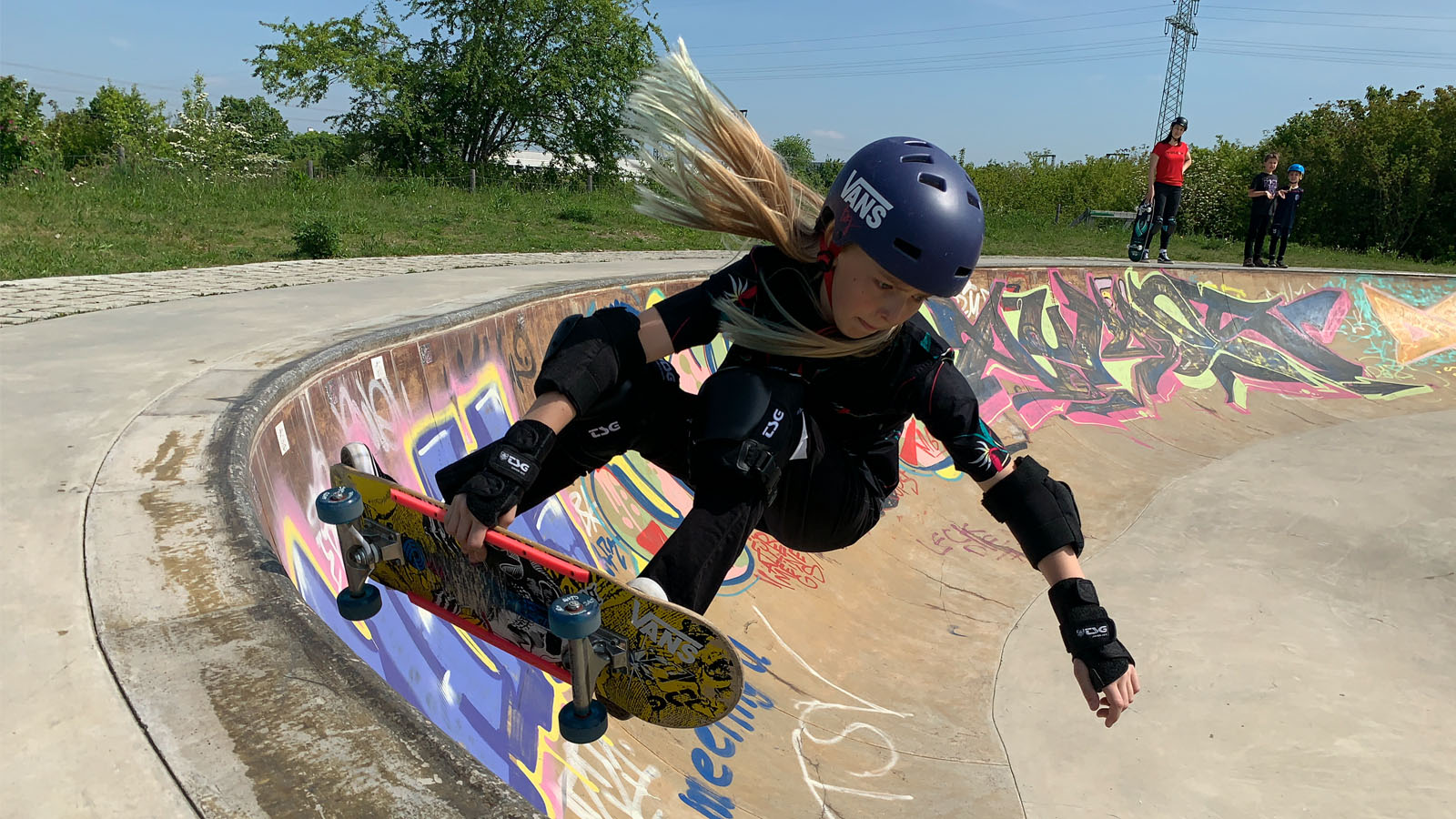
 Pro Content
Reality Check: Why The Industry Needs To Nurture The Current Growth In Skateboarding
The current skate boom landed in everyone’s laps as an unexpected blessing. Now it’s time for brands, distributors and retailers to leverage the hype into long-term growth. Perspective from SOURCE Skateboard Editor Dirk Vogel
Skateboarding has always marched to its own drum. And the current boom in participation, against the backdrop of an unprecedented global pandemic, is no different. According to industry insiders, markets across Europe, Australia, South America and Asia-Pacific are up by record growth rates up to 50% year-on-year in this historic expansion period. But there’s a problem. “We agree 100% that there is a Skateboard Boom, but most of the brands are out of stock with a really bad vision of when we could resolve this stock problem,” said Benoit Brecq at HOFF Distribution about the current supply situation.
COVID-19 has created somewhat of a paradox because, skateboard hardware – if stock is available – practically sells itself at the moment. No advertising, social marketing or other demand generation needed. In today’s strained market environment, any available product will find a buyer. But despite these dizzying prospects, now is also the time for a calculated, sober look ahead into the future.
“It’s in the industry’s best interest and should be in our DNA to want to foster the growth and support the recent growth of skateboarding. I think it’s in the industry’s job to support all aspects of skateboarding. From supporting athletes, creating content to promote not only brands, but the progression of skating, to events and everything in-between. It’s a collective of things that will help foster the growth,” said R.P. Bess, Global Brand Director at Pro-Tec.
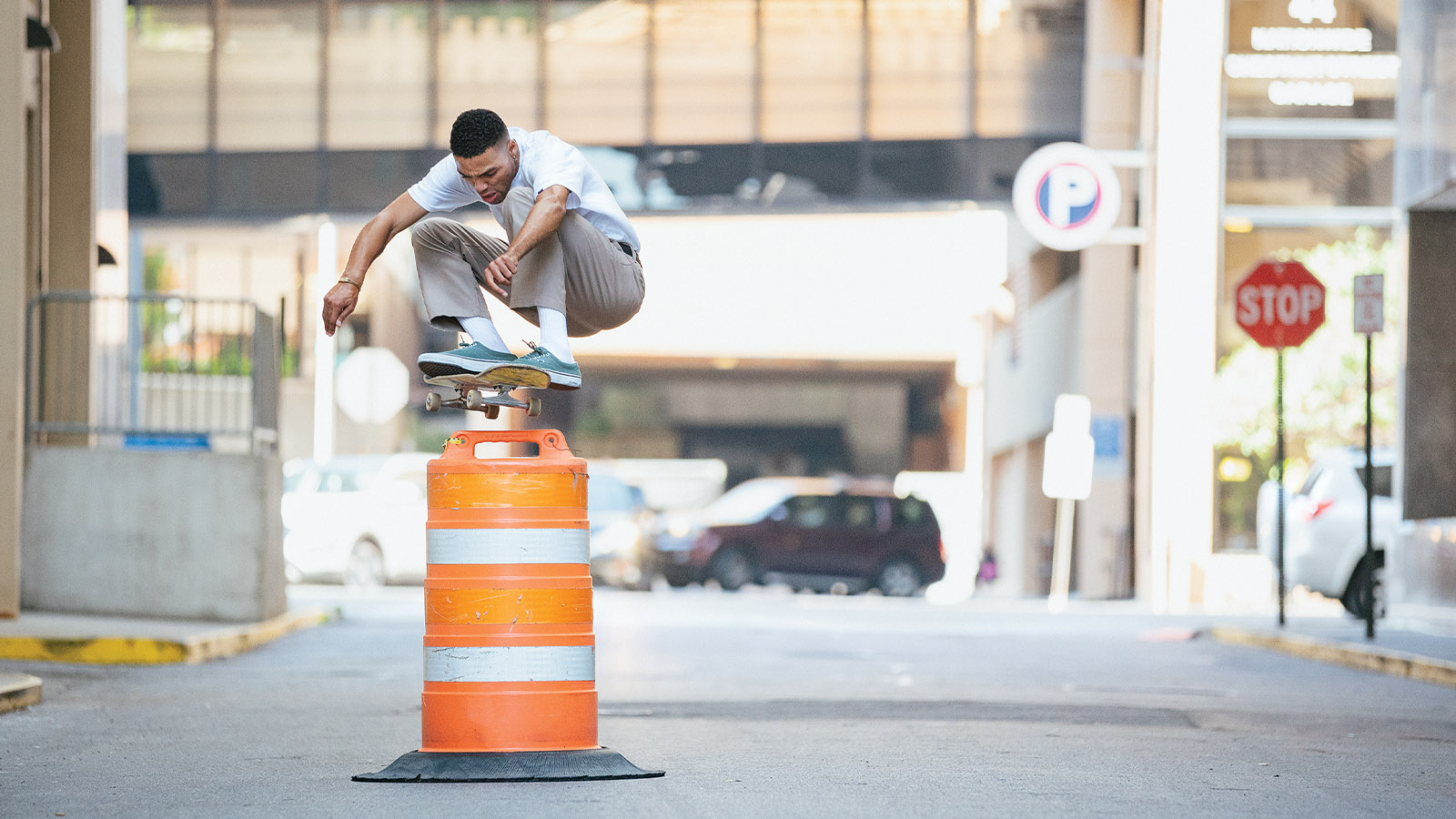
Vans
Amen to that! But let’s be clear from the beginning: Long-term growth is fundamentally different from short and pronounced boom periods. This becomes clear by looking at major waves of popularity throughout skate history and asking some questions:
How long do boom periods last in skateboarding?
The short answer is three to four years. That’s the pattern inherent to the 1970s Skatepark Boom (1976-1979), 1980s Vert Craze (1986-1989), Tony Hawk Pro Skater Hype (1999-2003) and most recently, the Longboard Explosion (2010-2014). Looking at the current expansion, according to industry insiders the inflection point was in summer 2019. So, judging by precedent, we have about 18 months to two years of growth left.
How do boom periods end?
Suddenly and without advance warning! At the height of the 1970s Skatepark Boom, around 40 million people skateboarded across the world and skateboarding was a $650-million-per-year industry. By 1980, it was all gone. The number of active skateboarders in the U.S. resurged to the high-water mark of 20 million participants in 1988, only to plummet to 5 million by 1993. Whenever boom is followed by bust, major brands are burdened with debt and unsold inventory (think Vision Street Wear in the early 1990s) due to the sudden force of impact.
What causes the end of boom periods?
In a nutshell, it’s that skateboarding is really, really hard. At least on the pro level glorified in marketing. This proved the nail in the coffin for the 1970s Skatepark Boom, which did not end – counter to popular belief – when insurance debt caused the majority of skateparks to be bulldozed in 1979. Statistics suggest that the industry already peaked in 1977 at $650 million, and year-on-year sales had already dropped 50 percent by mid-1978. Why? Because vertical skating in pools, hailed as the pinnacle of progression, was too difficult to master. The same can be said for vert skating in the 1980s and tech street skating in the early 2000s, which only garnered continued involvement from a small, core contingent.
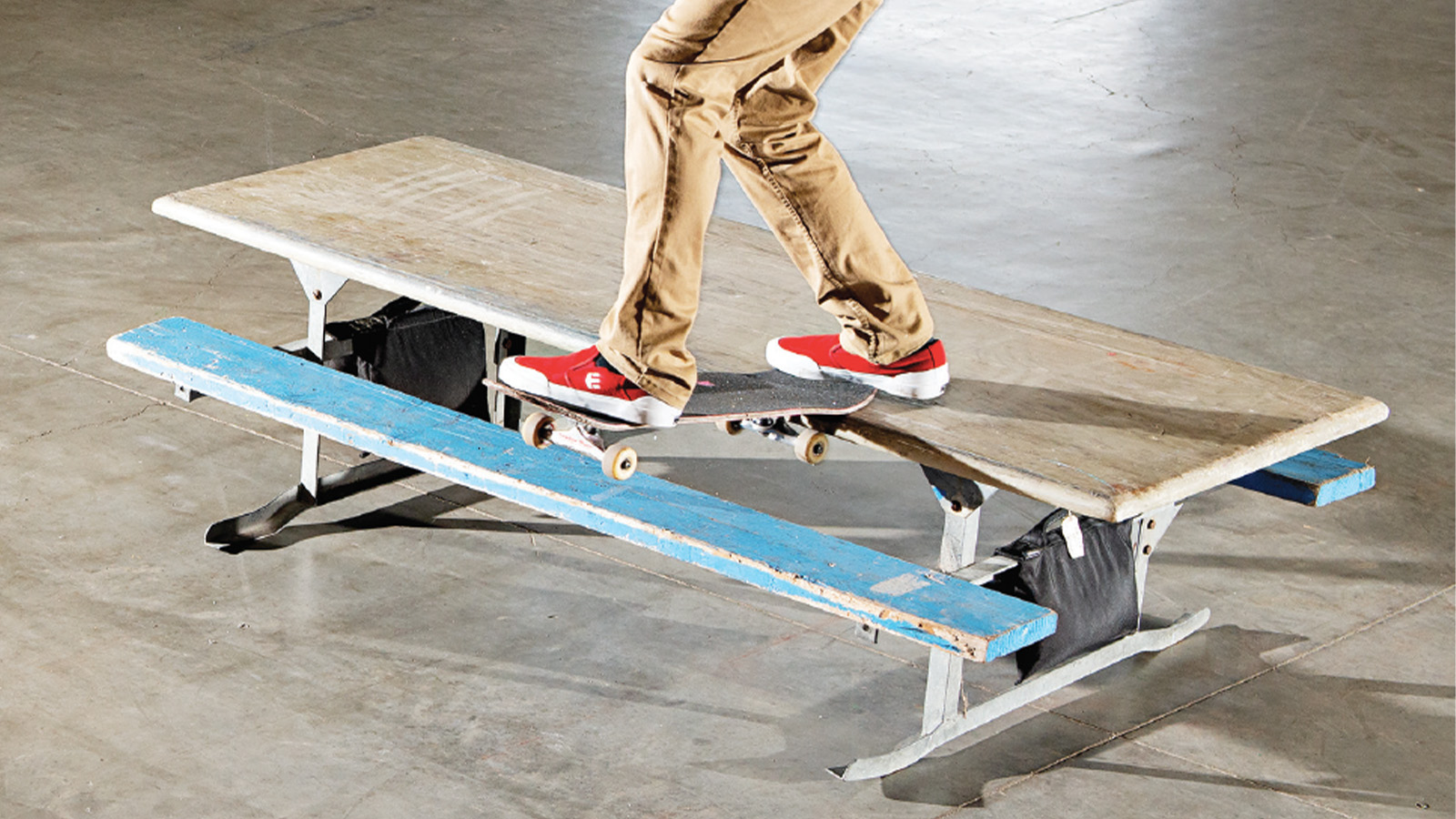
Etnies
Why is a boom not the same as growth?
Because the core contingent of dedicated riders is the only constant in major boom periods. When the 1980s hype ended, more than 70% of active skaters quit while die-hard skate fans continued to evolve skating outside the spotlight. When the longboard hype ended a few years ago, riders on ‘regular’ boards carried on undeterred. With that said, we need to be clear that when speaking of nurturing ‘growth’ in skateboarding, we are addressing the grassroots base. The dedicated skateboarders: the ones who will remain permanent practitioners after the wave has broken. It is their needs we need to address over the ‘casual’ participants; unless we can get them hooked enough to become skateboard lifers.
MOVING FORWARD WITH PURPOSE
Based on the nature of boom periods, future growth efforts need to focus on expanding skateboarding’s core base while assuming a long-term perspective. Especially amid an unexpected spike like this one. As Iván Moreno Puche, founder of Nomad Skateboards in Spain said: “Honestly, I believe that investing in marketing, brand activations, infrastructures, and any other initiatives, must be part of a long-term plan which reinforces a company and the skateboard scene on the long term. Three to five years. Those decisions cannot be taken over four to six months of unexpected growth and uncertain continuity.”
With the bigger picture in mind, here are some strategic pillars for growth initiatives:
- INVESTMENT IN SKATEPARKS
The proliferation of core-approved, public skateparks has never been higher. But some regions still stand to benefit from a decent facility, which is where our industry can make a difference. Says R.P. Bess at Pro-Tec: “Increasing the number of parks is a huge one. We need to work with cities and local governments to bring awareness to the immense growth and need to build skate parks. I was at a local private park the other day that is part of a larger organisation. One where they have multiple services and camps. They told me that the executives are now sold on the skatepark and that, if there was ever a discussion of reducing the size of the skatepark, it would be an argument not a discussion. Meaning they would fight for the park!”
- MOST IMPORTANTLY ‘INDOOR’ SKATEPARKS
In Europe, skateboarding’s long-term survival has always depended on accessible places to skate during the cold season. Opening new indoor skateparks will be difficult in the age of COVID-19 as gyms and sports facilities are always among the first to lock down during surges. But there’s room for creativity: DIY projects under bridges or skateparks that are sheltered but open on the sides, like the old Playstation park in London, for instance. Get creative and build a winter home.
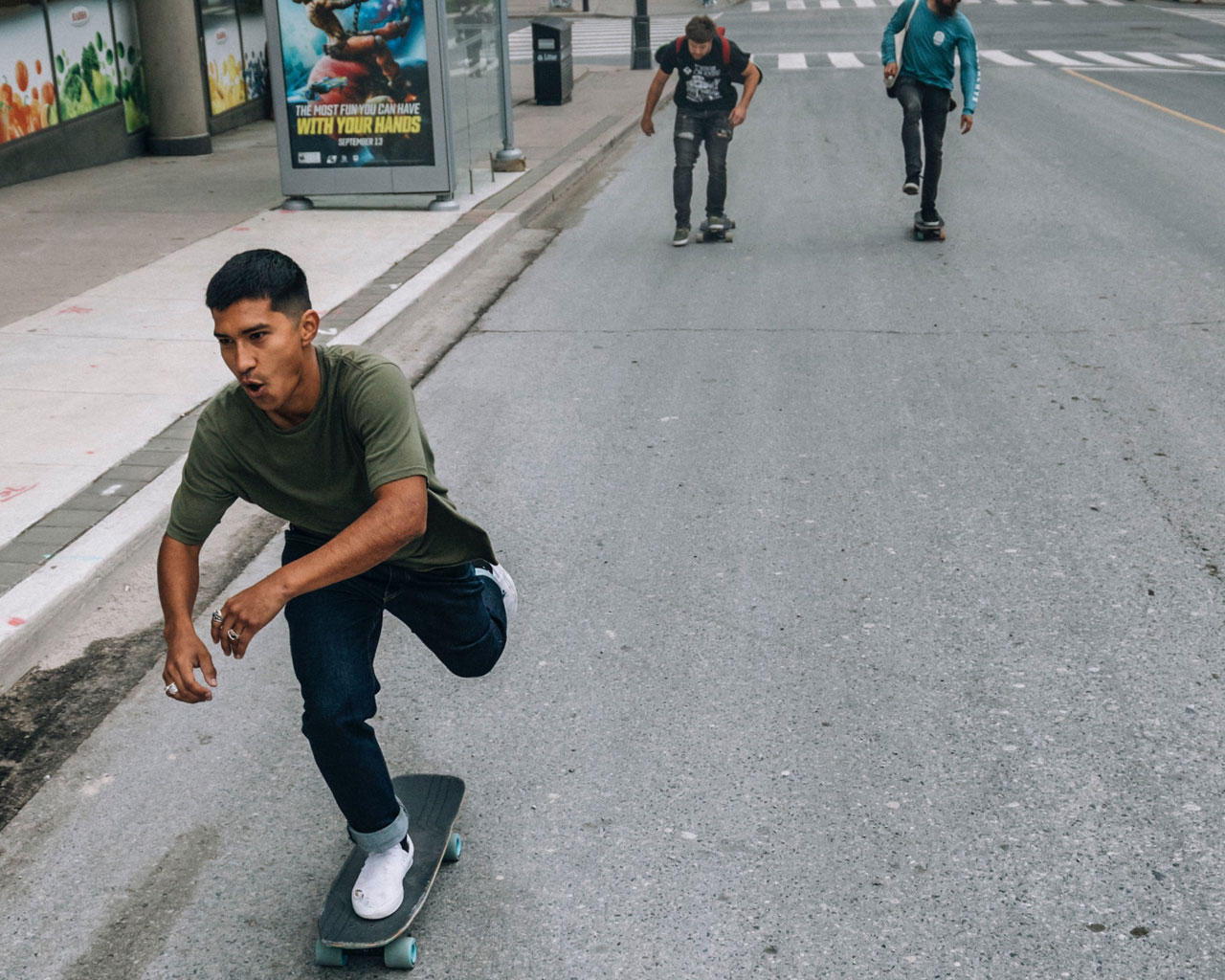
Landyachtz
- EVERYWHERE ACROSS THE WORLD
Steve Douglas, co-founder of giving-oriented skate hardgoods brand The Heart Supply, is making a push to get new riders on board in emerging markets such as Africa: “Working with The Heart Supply, we are getting completes to places around the world that desperately need them, this starts next month where we are sending out 200 completes.” For anyone looking to get involved, The Heart Supply offers a not-for-resale complete called the Giving Board that can be purchased as a donation. The company also supports skatepark-building initiatives such as Make Life Skate Life, Skateistan and Goodpush Alliance to build infrastructure across the globe, where safe spaces to skate are needed: “I think it’s time to support international developing countries during these times, we have a great opportunity to do something great and lasting for global skateboarding,” said Steve Douglas.
- EVENTS, CAMPS, (HOW-TO) VIDEOS
Teach someone how to skate, and they’ll skate forever. Summer 2020 saw some successful skate camp and course initiatives amid social distancing measures. (Read our article here) Maintaining the effort may be hard in winter, but not impossible. The success of virtual fitness concepts such as Peloton also demonstrates the potential for e-learning. After all, several online-only brands – illegitimate bastard children of the hardgoods segment – have built an army of young followers on the strength of how-to videos and relatable content aimed at beginners. Virtual events, like Games of S-K-A-T-E and Best Trick contests on social media also spread the stoke, not the virus, in this new reality.
- KEEP IT FUN
Looking at the downfall of skateboard booms past – when riding was perceived too difficult, too dangerous – history does not have to repeat itself. Today, there are many casual, enjoyable ways to participate in skateboarding: Cruising, Surf Skate, longboarding, dance… heck, even stand-up paddle on concrete. Plus, participants now hail from more diverse age groups, backgrounds, and genders than ever. This universal stoke can be harnessed by building communities around the shared experience of skateboarding, both virtual and in real life. And a sense of community is what keeps people involved in the long run.
REALITY CHECK
Looking ahead, it’s hard to say what the next six months will bring. “The skateboard boom we are living is quite ‘young’. The uncertainty on how long this trend will follow is too high, and more importantly, the global economy is threatened by the COVID pandemic’s aftereffects,” said Iván at Nomad. What’s more, with no inventory to sell, brands and shops are also not making any profits right now. And that effects everything from marketing to investments in events and initiatives. With this in mind, let’s hope that the skate boom will still be hot when product availability recovers in 2021. And focus on the only thing we can control: Using this unique moment to convert as many casual skaters as possible into die-hard practitioners. Because it’s through them that skateboarding continues to survive.