 Pro Content
Rip Curl Back Above Pre-COVID-19 Levels, Reinforcing Kathmandu’s First Half-Year 2021
Kathmandu reported their 2021 First Half-Year results (1H FY21), ending Jan 31, 2021. If Q1 delivered positive results driven by Rip Curl, Q2 confirmed the trend and Kathmandu resumed dividend payments to shareholders.
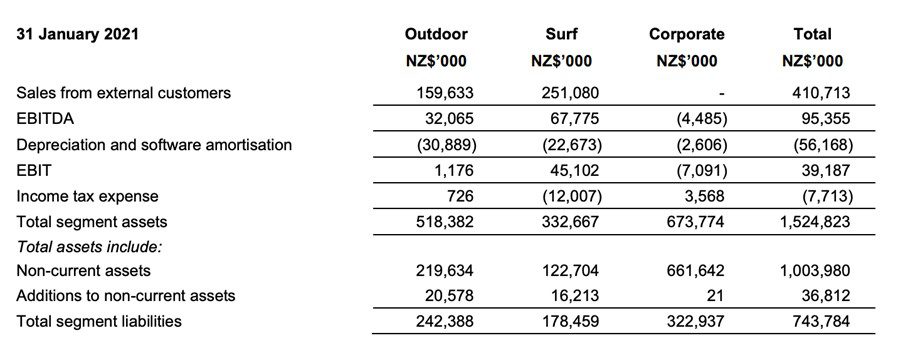
The consolidated net profit after tax for the period was NZ$22.3 million (2020: NZ$7.6 million). Sales for the period were NZ$410.7 million (2020: NZ$363.7 million). For comparison purposes, it is worth noting that Kathmandu acquired Rip Curl on October 1, 2019, mid-1H 2020.
1H FY21 key highlights (vs 1H FY20):
- Sales up 12.9% to $410.7 million, including a full six month contribution from Rip Curl
- Step change in Group online penetration, with online representing 12.7% of direct to consumer (DTC) sales (1H FY20: 8.8%)
- Underlying EBITDA up 19.0% to $48.2 million (excluding the impact of IFRS 16 and one-off transaction and abnormal costs)
- Statutory NPAT (Net Profit After Tax) of $22.3 million
- Underlying NPAT up 32.8% to $23.1 million (excluding the impact of IFRS 16 and one-off transaction and abnormal costs)
- Robust balance sheet, with $10.1 million net debt, reflecting working capital management strategies
- Resumption of dividends, with NZ 2.0 cents per share interim dividend declared.
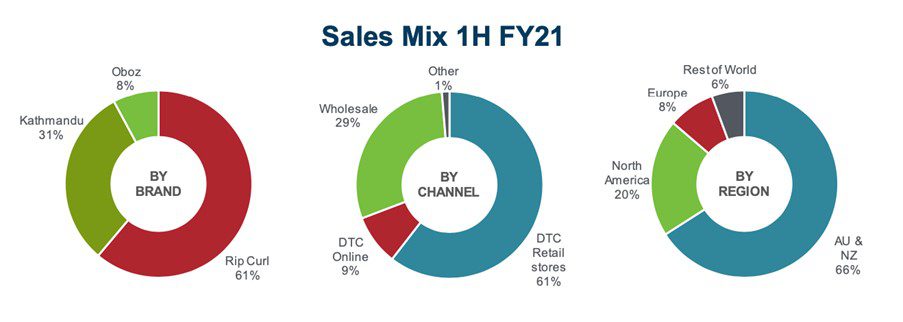
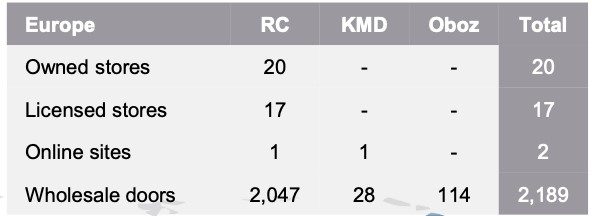
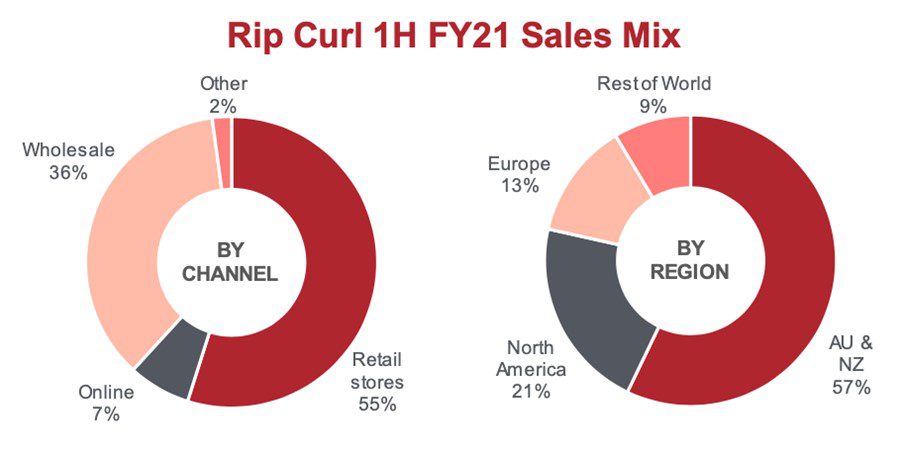
Kathmandu Group’s business in Europe is almost exclusively Rip Curl:
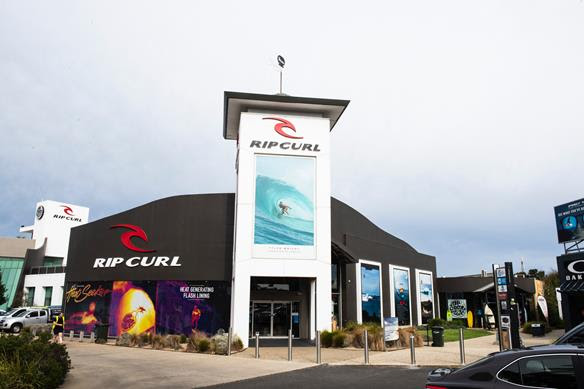
About Rip Curl
Group CEO Xavier Simonet said: “Despite operating in challenging conditions over the first half due to the substantial impacts from COVID-19, Rip Curl delivered an outstanding first half result, validating the Group’s diversification strategy.”
It looks like Kathmandu is happy with its October 2019 Rip Curl acquisition.
“Benefiting from increased participation in surfing in Australia, Europe and the USA, Rip Curl achieved strong sales and profits despite COVID-19 trading restrictions, reflecting the brand’s technical product focus and strong consumer engagement. Pleasingly, Rip Curl’s wholesale order book is back above pre-COVID-19 levels.”
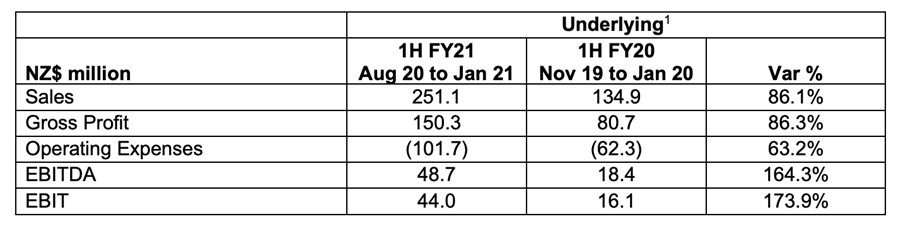
Please note that Kathmandu compares a 6-month period in 2021 VS 3-month in 2020.
Very interestingly, Kathmandu continues to invest in personalisation and data analytics capability, all with the aim of driving best in class customer interactions. A loyalty program is soon to be launched at Rip Curl.
World Surf League Sponsorship
- New three-year partnership of the Rip Curl WSL Finals, a season-ending one-day competition that will decide the men’s and women’s World Surfing Champions
- Rip Curl is also the naming rights sponsor of three new events on the WSL World Tour: the Rip Curl Cup Newcastle, Rip Curl Classic Narrabeen, and the Rip Curl Search Rottnest Island
About Kathmandu’s Other Brands
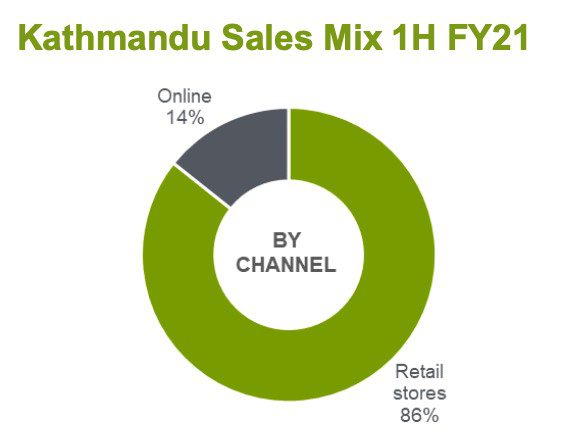
For the Kathmandu and Oboz brands, it was a different story. The mostly regional outdoor brands suffered reduced demand for warm clothes and rainwear due to a lack of international travellers to the northern hemisphere. Their heavy reliance on owned retail stores made them subject to COVID restrictions.
“To respond to increased participation in local travel and adventure, our brands adjusted their focus to product categories in high demand, such as wetsuits and surfboards for Rip Curl and camping and footwear for Kathmandu,” Mr Simonet said.
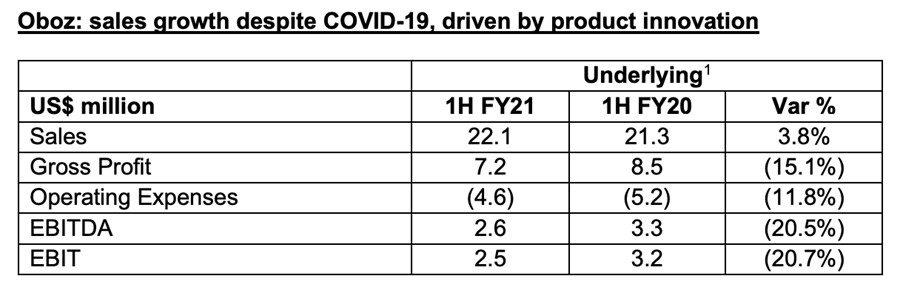
Katmandu’s same-store sales were down 30 % (adjusted for COVID-19 lockdowns) and 35.4% overall. Oboz delivered sales growth of 3.8%
Conditions for the company’s namesake brand are looking up for 2H FY21 as winter conditions in Australia are typically more favorable to Kathmandu’s offer of warm coats.
“During the second half we are focused on the strong execution of Kathmandu’s winter season in Australasia” he said.

About Paying Back Government Subsidies.
Kathmandu Group reported a strong result but says it won’t pay back about NZ$20m in grants and wage subsidies, largely through Australia’s JobKeeper scheme and New Zealand’s similar wage subsidy program. This rose eyebrows in Australia and New Zealand as JobKeeper was meant to be for firms suffering a major drop in earnings, which is not the case here.
“The money we received of course was used to keep people in jobs.” said Kathmandu’s chairman David Kirk. Mr Kirk added that the group’s profitability growth was only just returning “and only very marginally”.
He continued: “Kathmandu has raised a lot of capital (Editor’s note: $207m capital injection, including capital used for Rip Curl’s acquisition) and our shareholders have suffered quite significant dilution. There have been no dividends paid to shareholders for a year, which is a loss that will never come back. So, when you think about our stakeholders, we think the pain has been pretty fairly shared. A repayment of JobKeeper at this point would be a transfer from shareholder funds to the government, and we feel a balance has been hit.”
The Brisbane Times reveals that one-fifth of JobKeeper payments made to major listed companies in the second half of 2020 went to firms who grew their profits during the pandemic, sparking fresh concerns the $83 billion scheme has been abused by parts of corporate Australia.
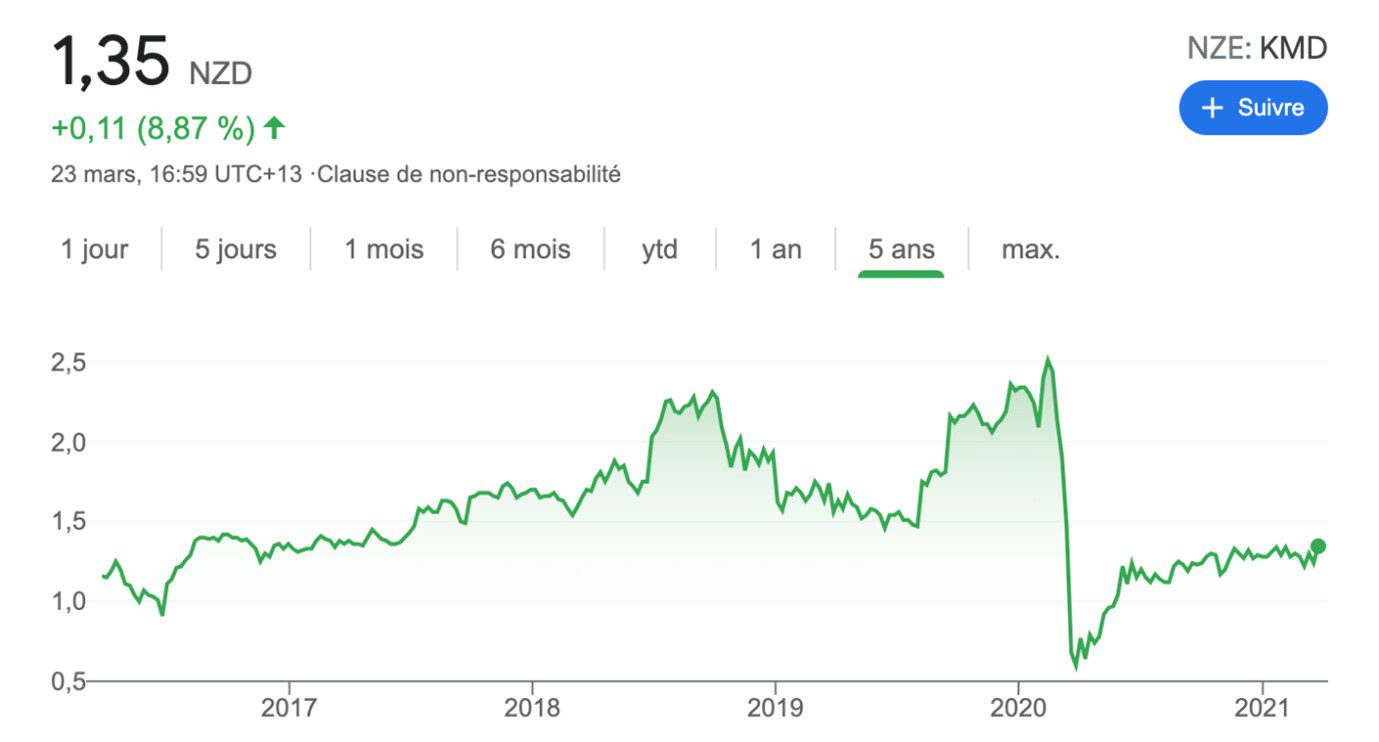
Shares in Kathmandu rose nearly 10 per cent to $1.35 on Tuesday, still far from pre-COVID levels.