
















Snow Goggles F/W 2026/27 Retail Buyer’s Guide
Snow goggles are evolving fast, driven by sharper optics, better fit, and growing sustainability demands. By Rocio Enriquez.

Snowboarding goggles keep a modest but steady growth in Europe, mainly driven by technological innovation and sustainability. Eye health considerations are supporting the growth of eyewear in general, with goggles, albeit being a smaller subsegment, benefitting from this trend. Optical performance is the biggest sales driver. Lenses are expected to provide contrast-enhancement, photochromy, and anti-fog coating. Adaptability follows closely, with fast-changing lens systems seeing a strong sell-through. Climate unpredictability is pushing the demand for all-weather goggles. Lens switching systems provide this versatility. Fit and helmet integration have also become very important. Sustainability is increasingly used as a key purchase differentiator. These technologies result in a pricier product that places goggles in the mid to high performance segment. While brands make sure to keep a good assortment of entry level models for users on a budget, the traction of higher end models is strong, and so is the commitment of brands to deliver them. At the same time, we see an effort to trickle down as many performance features as possible to mid-range goggles that can make some of this premium technology more accessible.
Frames.
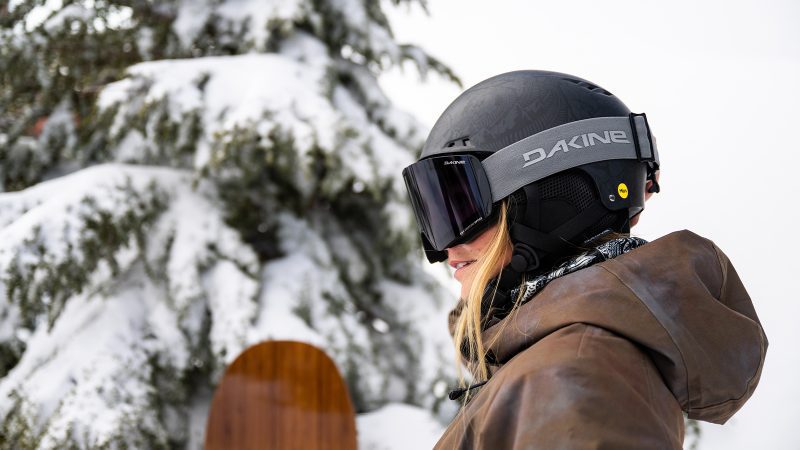
We observe four main aspects of frame construction that most brands focus on: wearing comfort, quick lens changing, sustainable materials, and retro-inspired and minimalistic designs. Comfort is enhanced by a good adaptation to the face, a secure fit over the helmet, weight management and enhanced field of view. The quality and quantity of the foam used can make a difference to the way the goggle adjusts to the face. Dakine, CHPO, Melon Optics, Horsefeathers and Zeal use a triple layer face foam, which they combine with ventilation for moisture management. Horsefeather focuses on a dialled venting system, while Dakine offers upper and lower ventilation.Dakine’s SoftFLEX frame also helps. “The SoftFLEX frame flexes and adapts to facial shapes even in cold conditions”, says Benjamin Chapuis, Marketing Manager.
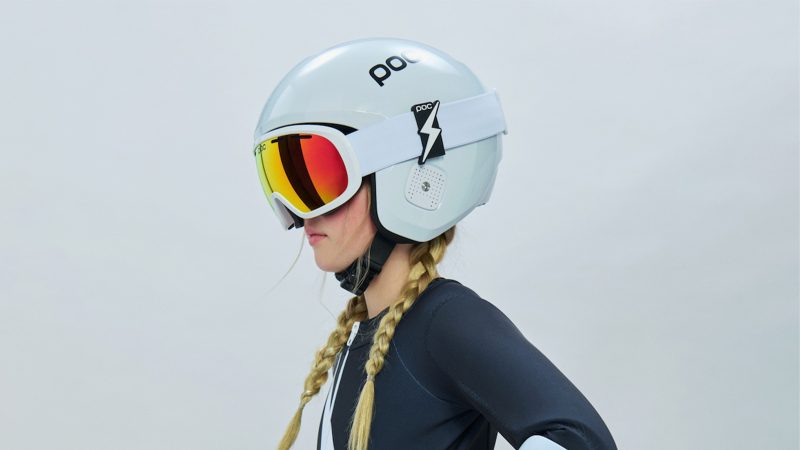
Adidas’ SP0120 model uses a soft foam padding and an effective ventilation system across the upper frame. Von Zipper highlights their Ventilation Flow System incorporated to their Mach VFS model, which eliminates fogging by forcing air through the dual lenses. Hilx has incorporated shock-absorbent foam layers for maximum comfort, and MowMow uses a multi-density foam for perfect fit and seal. Sweet offers a larger fit of their Boondock model to fit bigger faces. POC’s new Vitrea is an oversized goggle that extends down over the cheeks for extra coverage and protection. “We have also introduced a number of mid sizes to work with several preferences and users”, says Damian Phillips, Global Director of PR. Head also updates their frame achitecture to enhance fit, comfort, and stability. No-slip straps secure an optimal fit throughout the session, securing the helmet integration.
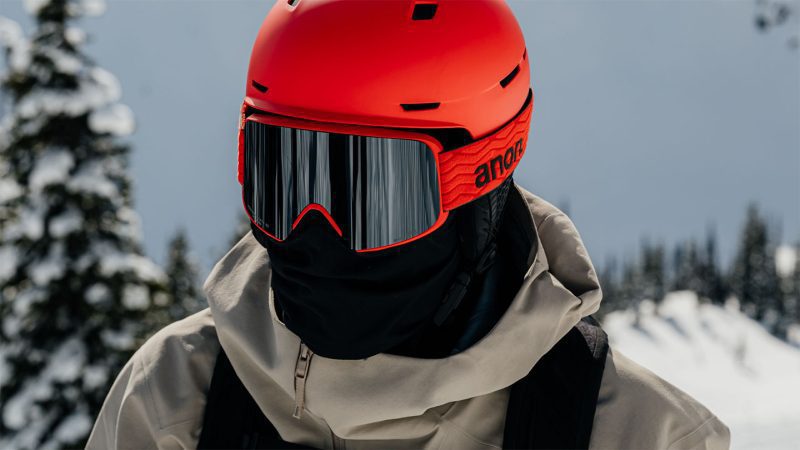
Vallon adds a 45mm silicone backed nylon strap to their FreebirdsTM and StairwaysTM models. CHPO, Zeal Optics, and Dakine also add silicone to their adjustable straps. Melon Optics and Hilx Eyewear provide adjusters on both sides of the goggle to allow users to fine-tune their fit. Anon takes integration to their facemasks. Their MFI® magnetic system offers a secure and comfortable fit of the facemask and the goggle. A wider field of vision contributes to a more comfortable ride.
Head is applying wider frames to all their latest designs. MowMow goes for a semi-frameless styling that increases the field of view while reducing weight. Von Zipper’s Mach VFS features a 170-degree field of vision. Quick lens-change systems are becoming standardised. TSG offers magnetic lens technology in most of their models. Quiksilver and Roxy have implemented their speed connect technology in half of their range. Giro introduces the Revolt Pro. “Building on the legacy of the Revolt franchise, while elevating the model with our magnetic quick change lens interchange system”, announces Darius Heristchian, Director of International Market Development.

Many of the systems are developed in-house. Anon continues to build on their proven Magna-Tech® platform, led by their M4 and M6 goggles. “In February 2026 we will launch the Mile25 collection – a limited-edition late drop celebrating twenty-five years of magnetic innovation”, announces Benjamin Schwarz, Senior Brand Manager in Europe. Von Zipper offers their patented 4PLAY system that offers spontaneous lens change thanks to the click and release buttons on the brow line and the bottom of the frame. Zeal Optics works with their Rail Lock and Slide Lock systems. Dakine features the tool-free MagLOCK lens swap system. Phieres’ system is secured by nine magnets. Salomon is adding two high-end lenses, the radium Prime and the Sentry Prime, to their magnetic lens offer.

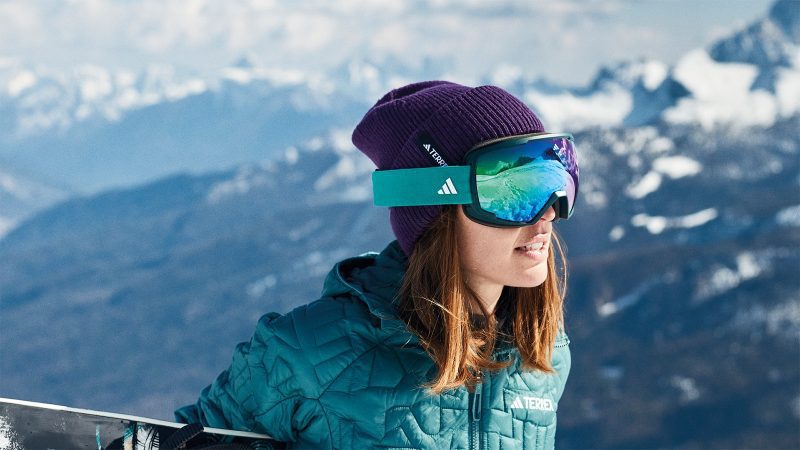
Adidas introduces a magnetic wide panoramic lens-change system. “The high-performance SP0120 model introduces a practical magnetic system with two interchangeable lenses – one for bright light and one for low visibility conditions”, says Marion Gürtler, PR Manager.
MowMow’s XcelLens and Aphex’s QView lenses are also offered as magnetic interchangeable lenses. Horsefeathers relies of hard rider testing to dial the magnet strength to the most reliable combination of stability and security while riding, and easy swapping when needed.The use of sustainable materials in frame construction is widespread. Standard TPU is being replaced by a plant-based version or a recycled one. MowMow’s frames made of bio-resin. Phieres, Quiksilver, and Roxy use the injection-moulded bio-TPU, derived from castor beans, for their frames and all plug-in systems.

Dakine also uses this for their SoftFLEX frame. In other models, like the Venue, they use recycled TPU. Zeal Optics and Rossignol also build their frames from recycled TPU. Aphex mixes bio-based materials and recycled plastics. CHPO makes sure that at least 70% of the materials they use to build their frames is recycled. Dragon explores new materials. “Our RAW collection features frames made with coconut derivatives”, says Sam Nelson, EMEA Brand Manager. The materials for straps and other frame elements are also sustainable. Dragon chooses bamboo-based straps, recycled nylon adjusters and Sorona fleece lining.
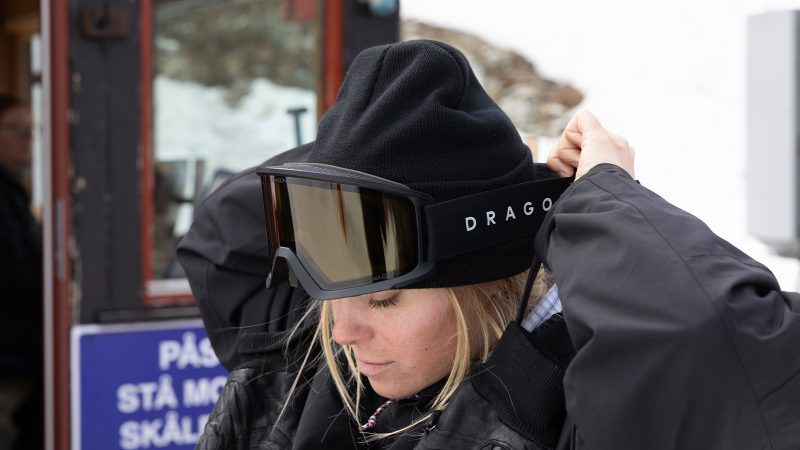
Sorona® is Dakine’s choice for the strap and fleece face foam in their higher end models. They also use recycled rPET for the strap adjusters and quick clip, as do Rossignol and MowMow. Salomon’s straps are made from 60% recycled yarn. Smith offers only recycled, natural and undyed materials in their ReNU capsule collection.

Designs tend towards minimalism, with some echoes of decades past. This results in a strong polarised palette that combines earth tones and classic colours with high-visibility punches in neons and bright colours. There are plenty of 80s and 90s references, including animal prints and some heritage stripes. TSG offers a strap with bold colour and patterns, and smiley illustrations. Vallon’s FreebirdsTM goggles, Adidas’ SP0121 model, and Phieres’ PH-12sixty style are examples of a sleek aesthetic. Some heritage inspired styles are Anon’s Mile 25 limited editions of the M4 and M6 and Vallon’s StairwayTM with its 80s inspired shape. There is room for playfulness and customisation. Head has integrated strap patterns and clean colour transitions. Sweet has an integrated strap tool in the buckle for super-easy strap swaps.

Lenses.
The core innovation themes in lenses are contrast-enhancement, photochromy, wide field of view, and added durability and clarity upgrades. Contrast-enhancing technology is critical, and many brands are developing their proprietary platforms. Dakine names their own contrast amplifying treatment DK Aperture Optics. Salomon focuses on their patented SigmaTM technology. “We complete the actual range with two new colour lenses: Sigma Copper cat.2, and Sigma Fire red cat.3”, announces Delphine Polycarpe, Goggles Line Manager. Smith relies on their ChromaPop Lens for high definition of objects. Sweet has developed the RIG® technology, providing their premium goggles with superior contrast and minimal distortion. Zeal Optics offers the Optimum lens platform, that offers their Optimum Colour Filtration in three different lens tiers, including two polarised ones.

VonZipper’s proprietary option is the Wildlife lens, which improves the ability to read contours in all light conditions. Rossignol uses their Hi Trast lenses on their Otava, Izar, and Magne’Lens models, enhancing depth perception and reducing snow glare. Anon continues to use their proven PerceiveTM lens featured in their M4, M5, and M6 goggles. Aphex Gear develops their QView lenses further, adding a new S1 to the existing S2.

100Percent uses the HiPER® lens technology throughout their collection. POC’s ClarityTM technology ensures a sharp vision, particularly in the lower periphery. Phieres works with Zeiss Sonar technology. “Sonar lenses use a precisely calibrated spectral curve that filters excess blue light while maintaining optimal light transmission”, says Tom Rendl, Brand Manager. Giro developed their Vivid lenses in partnership with Zeiss. Quiksilver and Roxy also use Zeiss for their Colour Luxe range.
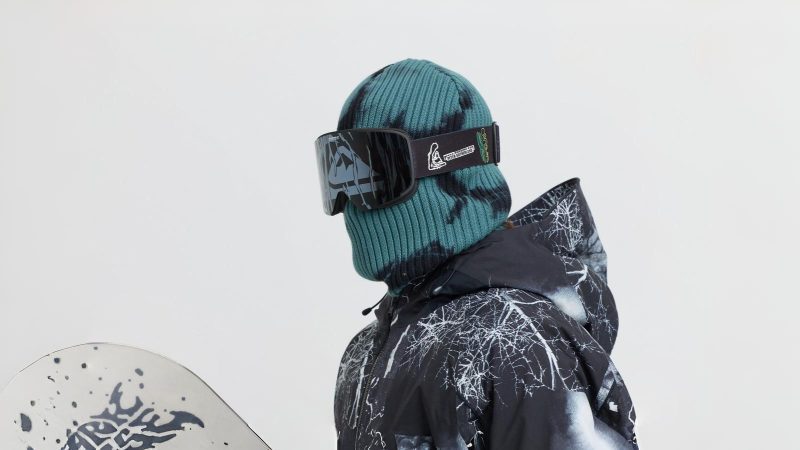
Adidas and CHPO also offer contrast-enhancing lenses. TSG announces an expansion in their contrast enhancing lens technology for next winter. Photochromy is becoming the default. Nearly every brand pushes adaptive tint technology, with the goal of meeting the mindset of “one lens for all day”. Melon Optics launches their Vantage photochromic lens technology with the intention to carry it throughout all their lenses. When light conditions change, these lenses with colour chrome coatings do not appear to change on the outside but they inside lens tint does change. Head introduces the Neves Sunscreen Control, built on their proven solar-powered automatic lens technology. “Riders can now switch seamlessly between automatic mode, which changes in a split second, and manual mode for full control”, explains Eva Knöpfle, Junior Marketing Manager. Von Zipper focuses on photochromy in their Project Flatlight Collection, offering lenses that transition from a 15% visible light transmission in sunnier conditions to a 60% when the light gets low.

MowMow makes the spherical lens of the Vantage goggle and the cylindrical lens of the Stealth one photochromic. Zeal Optics offers photochromy with their Automatic+ tier of Optimum lenses. Quiksilver and Roxy’s photochromic option is the Adapt lens. Giro adds a photochromic version to two of their cylindrical models and two toric shapes. Hilx, TSG, CHPO, and from this winter, 100Percent too, offer photochromic lenses in their collections.

An expanded field of view seems like the perfect finish for lenses that are enhancing clarity in every terrain and light condition. Many brands pay attention to this in their designs. TSG continues to push their bestselling Goggle Four that combines a clean design with a wide field of vision. Horsefeathers is already experiencing great results from their newly introduced Lynx with a bigger field of view.

Smith Optics has merged their cylindrical and spherical shapes into a new lens option. “The Compound lens brings in a flat toric shape, combining a slight vertical curve with a horizontal curve for a wider field of view”, says Grady Skelton, Global Snow Marketing Manager. They continue offering their BirdsEyeTM Vision Technology in their 4D Mag family and the Preview Goggle, which expands the field of view by 25%. Vallon has given the Zeiss dual-layered lens of their FreebirdsTM model a spherical construction for maximised peripheral vision. POC’s new Vitrea goggle features a shallow-angle toric lens that ensures all-round vision. Sweet presents a new cylindrical architecture with expanded peripheral field of view.

Adidas introduces wide panoramic lenses in their SP0120 style. We find many initiatives to enhance durability and clarity, mainly through coatings. Dakine’s and TSG’s dual-lenses are made of hard-coated polycarbonate with added anti-fog coatings. All of Horsefeathers' lenses, both cylindrical and toric come with antifog treatment.
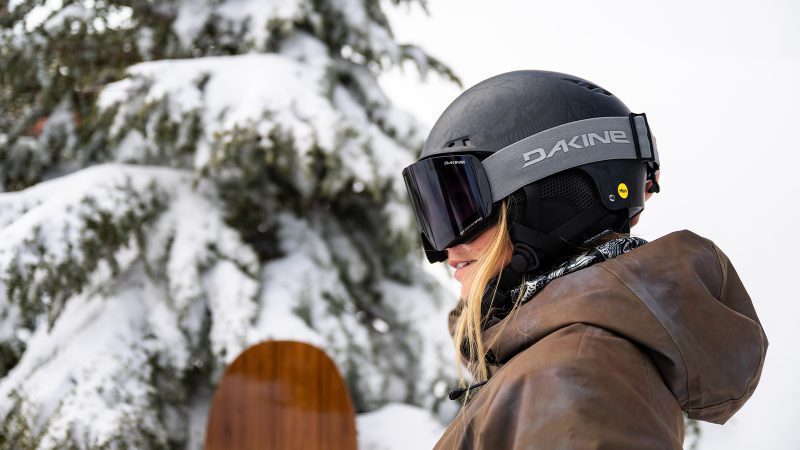
Sweet offers a clear anti-fog inner lens. Zeal Optics throws in a couple of proprietary technologies, the Everclear protects from fog, and the Permashield Hardcoat protects from scratches. Vallon uses an outer lens from Carl Zeiss for optical clarity and shatter resistance. For the inner anti-fog lens, they work with Mazzuchelli.

Dragon relies on their IR lens technology that blocks 99% of infrared rays, reducing eye fatigue. Rossignol claims their super anti-fog treatment lasts three times longer than standard ones. Hilx Eyewear equips their dual-layer lenses with anti-fog and anti-scratch coatings, and a hydrophobic layer to repel water and snow. 100Percent announces: “Our HiPER® Lens Technology is now enhanced with upgraded coatings that deliver superior clarity and durability”, says Elie Bellot, EMEA Marketing Manager.
Retailer Support.
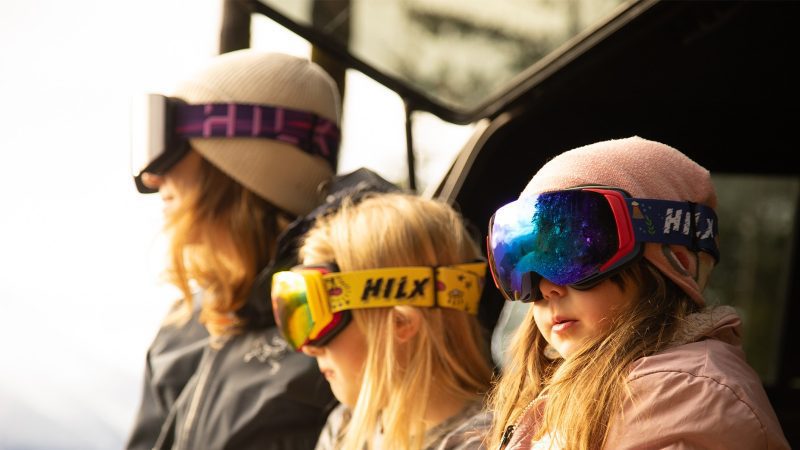
Traditional support systems remain important. In-store visibility is secured through display furniture and strong brand storytelling visuals. The digital sphere is served through high-resolution imagery showcasing both products and athletes featuring it. It is important, though, that these assets serve as much to educate about the plethora of technologies involved in the making of the goggles as to showcase the product itself.
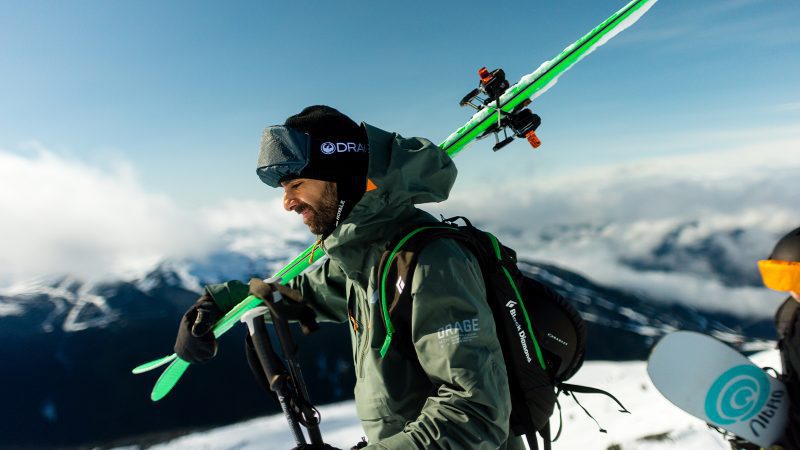
Education has become an essential form of retailer support. Retailer staff needs to know about these technologies very well if they want to convey this knowledge to the customer and be able to pair them with the perfect goggle match. Most brands offer product knowledge clinics, in-store demonstrations, and online educational videos. A flexible wholesale and inventory support is much appreciated by retailers too. There are quite some efforts in terms of low-pressure ordering and incentive programmes, to share the risk with the retailer. Melon Optics swaps slow moving models for alternatives.
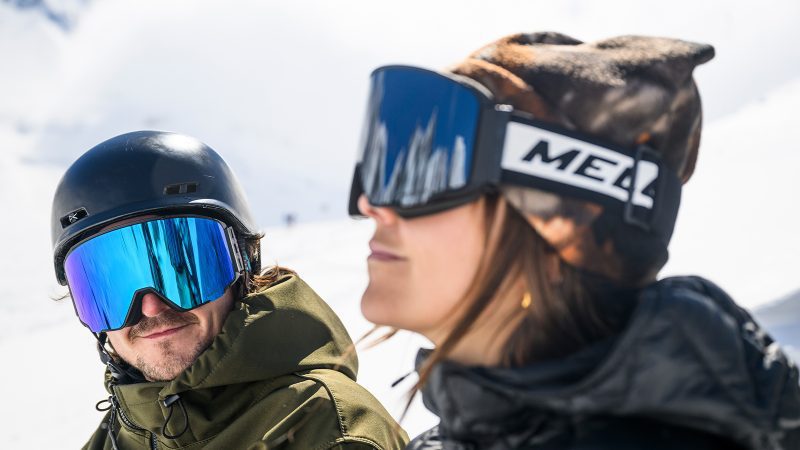
100Percent streamlines their collection to 6 models. Head increases the share of carryover products and multi-seasonal colours with their Intermix Strategy. MowMow offers seasonal promotions and spare lenses to keep the inventory moving. Horsefeathers offers added value by delivering each goggle with a hard case, a bag that works as a lens wipe, and a free low-light lens, while keeping a competitive price.

Overall, the snow goggle segment is shifting toward high-performance, versatility, and sustainable production. Premium models are enjoying a strong momentum thanks to their advanced optics, adaptable systems, and eco-responsible materials. Retailer education is carrying the message of technologically refined, comfortable, and environmentally conscious goggles to the end consumer.
Brand Previews
